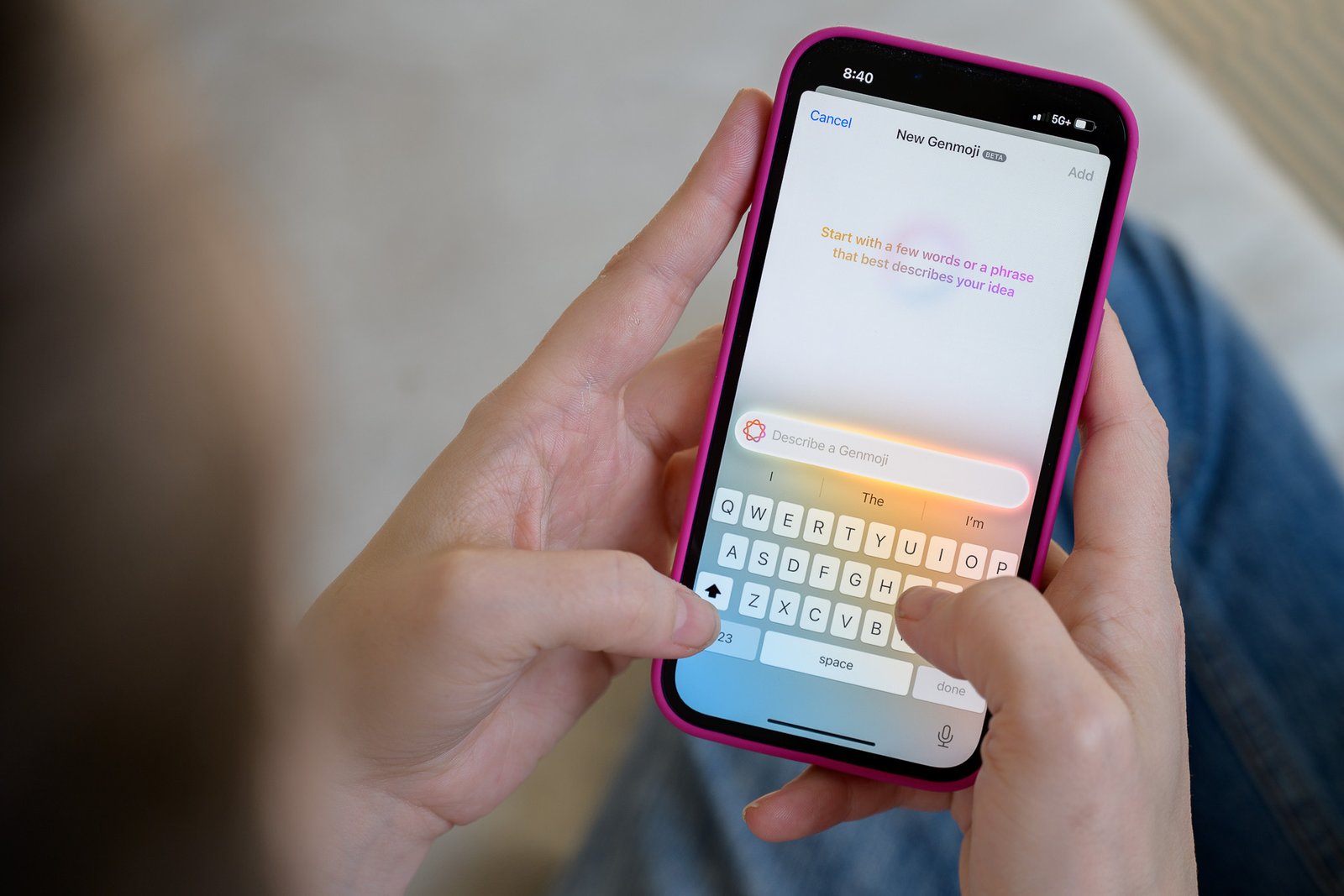
A researcher has pulled a hidden blocklist out of iOS. The list stops the iPhone keyboard from predicting more than 100,000 words and phrases.
Derik Kauffman published the full set online, and Reuters reported the find first. The list covers every major language Apple ships, with separate files for each one. iPhone owners can still type any blocked word one letter at a time. The keyboard simply will not suggest it.
Most entries are slurs, insults, or terms tied to sex and drugs. That part is easy to explain. The political entries are harder to defend. The list includes “illegal immigrant,” “dictator Trump,” “sleepy Joe,” “covid was a hoax,” and “left wing conspiracy.”
Some ordinary phrases are blocked as well. “Santa isn’t real” does not autocomplete. Neither does “iMessage isn’t working.” Kauffman also found pairs that look inconsistent. The keyboard blocks “bad girl” while leaving “bad boy” alone.
Swipe typing can make the effect visible. Kauffman says the keyboard sometimes rewrites a blocked phrase into a near neighbour. In his example, a swipe on “left wing conspiracy” produces “left wrong conspiracy” instead.
Finding the list took help from AI coding tools. Kauffman told Reuters he used OpenAI’s Codex and Anthropic’s Claude Code to search “deep in the bowels” of iOS. The phrases were stored as a hash table, which he converted back into plain text. A second researcher told Reuters they obtained the same list independently.
Apple gave Reuters a short response. The company says its keyboard is designed to avoid inappropriate or offensive suggestions. It also says iPhone users can type what they want and override any prediction. Apple did not immediately respond to The Verge’s request for comment.
The disclosure raises a familiar question. How much does a phone maker decide on behalf of the person holding the phone? Apple rarely publishes its internal content rules, and the keyboard list was never mentioned in any public document.
There is a practical gap in the reporting too. Apple has not explained how the list changes by region or language. Kauffman’s data suggests each language gets its own file, so a phrase blocked in English may pass unnoticed elsewhere.
For now the list is public. Researchers, regulators, and ordinary iPhone owners can read it and judge the choices for themselves. That is a better outcome than another year of guessing.
Related reading on mylistingo.com: Meta’s Muse chatbot now builds custom spaces and a new report on Anthropic’s research speed.
Source: The Verge, citing Reuters
The Netherlands, for internationals
One email a week: the week's news for internationals in the Netherlands, new practical guides and what changed in the cities. No spam, unsubscribe any time.