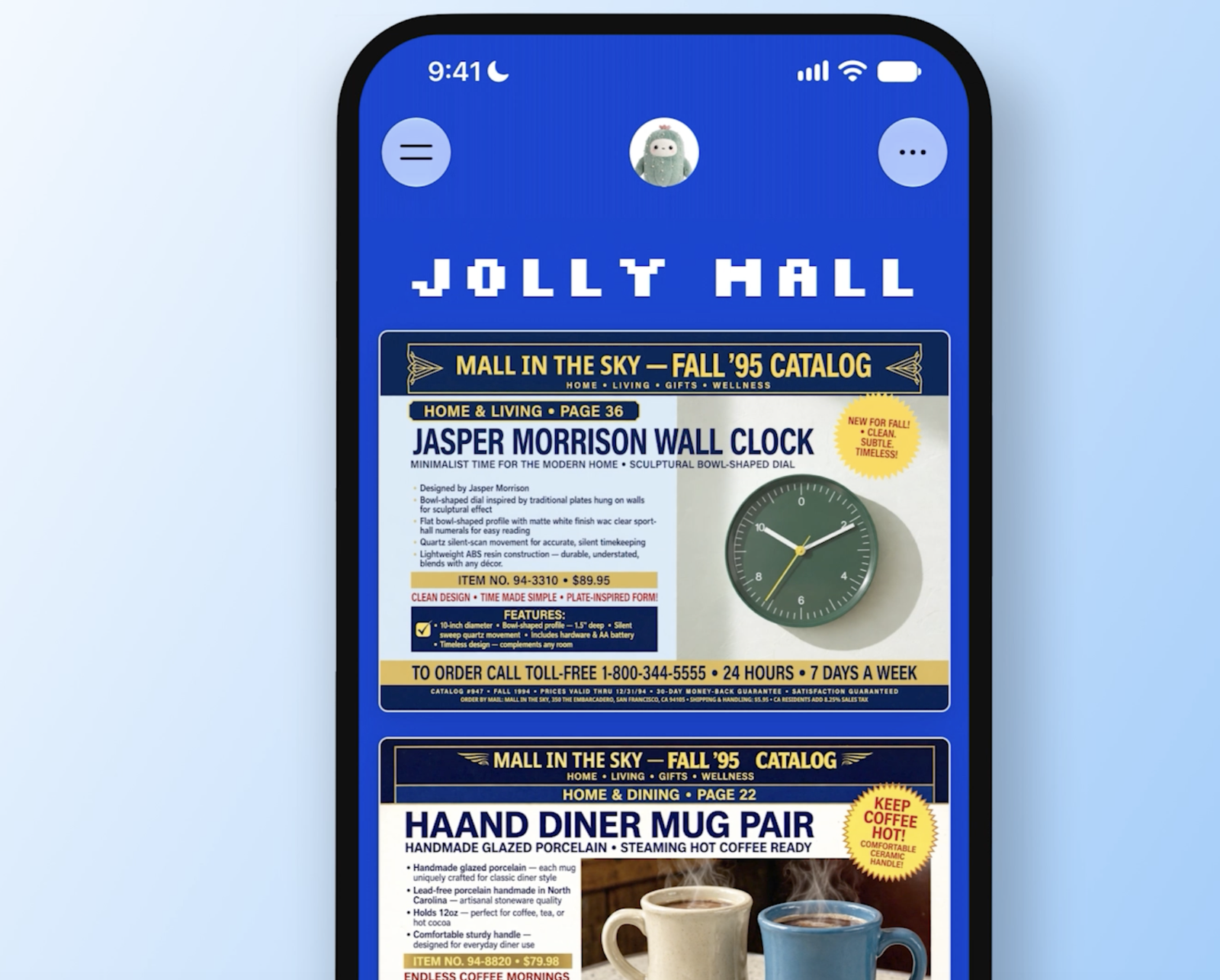
Meta is turning its Muse assistant into a small app platform. The company introduced a feature called “spaces” this week, which lets Muse build app-like experiences that live inside the chatbot.
You can ask for a shopping hub, a school dashboard, a music tracker or a trivia game. Muse builds the space from a short description, and everything runs inside the Muse app itself.
The feature gets more useful when other services are connected. Muse already works with Gmail, Google Calendar, OpenTable and Notion, among others. A connected space keeps pulling information from those accounts in the background.
That means prices and dates can update without you asking. Meta says a space refreshes as new data arrives, so a travel plan or a shopping list stays current.
You can also work inside a space. Check items off, add notes and edit details directly, instead of bouncing between four different apps to do the same job.
Placement is adjustable too. Spaces can sit in the sidebar, move into the main tab, or appear on a schedule. Meta suggests keeping a weekly planner up front during the workweek, then swapping it for weekend plans on Saturday.
Meta also said it is bringing “Active Memory” and “Active Focus” from its Muse Wonder AI model into the Muse app. The same capabilities are heading to the Meta AI chatbot.
The direction is familiar. Every major assistant wants to become the place where you shop, plan and track things, because that keeps you inside one app. Meta’s bet is that a space you describe yourself feels more personal than a preset mini-app.
There is a catch worth watching. Spaces that pull from Gmail, calendars and booking accounts hold a lot of personal context. How Meta handles permissions and data retention will matter as more of these tools ship.
Meta did not say how many people get spaces at launch, or which countries come first. The feature follows a steady run of Muse updates, including a voice mode and a patch for an exploit that let attackers control the agent.
The announcement is documented in The Verge’s report on Muse spaces. Meta’s earlier hardware experiment with the assistant, a $50 build-it-yourself companion, is covered in our Muse Charm story.
The Netherlands, for internationals
One email a week: the week's news for internationals in the Netherlands, new practical guides and what changed in the cities. No spam, unsubscribe any time.