This guide is for internationals who have just moved to London and want to understand how to pay for buses, trams, the Tube and rail. After reading it, you will know how pay as you go works with contactless and Oyster, how fares and caps are calculated, and which rules differ on buses and trams.
- How pay as you go works
- Contactless, mobile or Oyster
- Peak and off-peak fares
- Daily and weekly caps
- Buses, trams and the Hopper fare
- FAQ
How pay as you go works
Transport for London (TfL) runs a system called pay as you go. You pay only for the journeys you make, and you do not need to buy a ticket first. According to TfL’s pay as you go page, you touch in and out on the yellow card readers with a contactless card, a mobile device or an Oyster card, and the system charges the right fare. TfL states that this is cheaper than a paper single or return ticket, although train companies may offer special deals on some journeys.
Pay as you go works on buses, the Tube, trams, the DLR, London Overground, most of the Elizabeth line, the London Cable Car and Thames Clippers River Bus services. It also works on most National Rail services within London Zones 1 to 9, and on some services beyond Zone 9. On buses and trams you only touch in, not out.
Contactless, mobile or Oyster
Any bank card showing the contactless symbol can be used. TfL says many contactless cards issued outside the UK work too, but overseas charges may apply, so it points people to their card issuer. It adds that this may still work out cheaper than buying an Oyster card. Some prepaid cards may also be accepted. A mobile payment linked to a non-UK card may not work, or may attract overseas transaction fees.
The accepted mobile options are Apple Pay, Barclaycard Contactless Mobile, bPay, Fitbit Pay, Garmin Pay, Google Pay and Samsung Pay. The key rule is to use the same card or device for touching in and touching out. TfL’s example: touching in with an iPhone and out with an Apple Watch means paying more than needed. A flat battery leads to the maximum fare or a possible penalty fare. Keeping other cards away from the reader avoids card clash, where the reader charges a different card from the one intended.
An Oyster card is a separate travel card that you load with credit. You can top up at stations, at local newsagents, online through a contactless and Oyster account, or in the TfL Go app. Two people cannot use one Oyster card on the same journey. A card holding only pay as you go credit can be lent to someone else, but not one with a Travelcard, Bus & Tram Pass or discount on it. Oyster is not accepted at Elizabeth line stations between Reading and Iver.
Registration matters for both payment methods. An unregistered contactless card is not eligible for refunds. An unregistered Oyster card that is lost means the credit or pass on it will not be refunded, and registration is required if you add a discount. Visitor Oyster cards cannot be registered. You register by creating a contactless and Oyster account, which also shows your journey history and payments.
Peak and off-peak fares
TfL charges more at the busiest times, based on the time you touch in. Its Tube and rail fares page sets peak hours on the Tube, DLR, London Overground, Elizabeth line and National Rail in London as Monday to Friday, not on public holidays, between 06:30 and 09:30 and between 16:00 and 19:00. All other times are off-peak.
There are a few exceptions. A journey from a station outside Zone 1 into Zone 1 between 16:00 and 19:00 on a weekday is charged off-peak. All Tube and Elizabeth line journeys to and from Heathrow Airport are charged peak fares if they start, end or pass through Zone 1. The London Overground between Euston and Watford Junction has its own directional peak times. Night Tube and London Overground Night Service fares are always off-peak.
Daily and weekly caps
In Zones 1 to 9, pay as you go fares are capped. Once your spending reaches the cap for the day, or for the week running Monday to Sunday, you can keep travelling without paying more. The cap only works if you use the same card or device all day or all week.
Tube and rail cap amounts depend on the zones you travel through and on any discount you hold. TfL publishes them in downloadable PDFs for 2026, covering adults and several photocard and railcard groups, rather than listing them on the page. Its single fare finder shows the cost of an individual journey between two stations.
Buses, trams and the Hopper fare
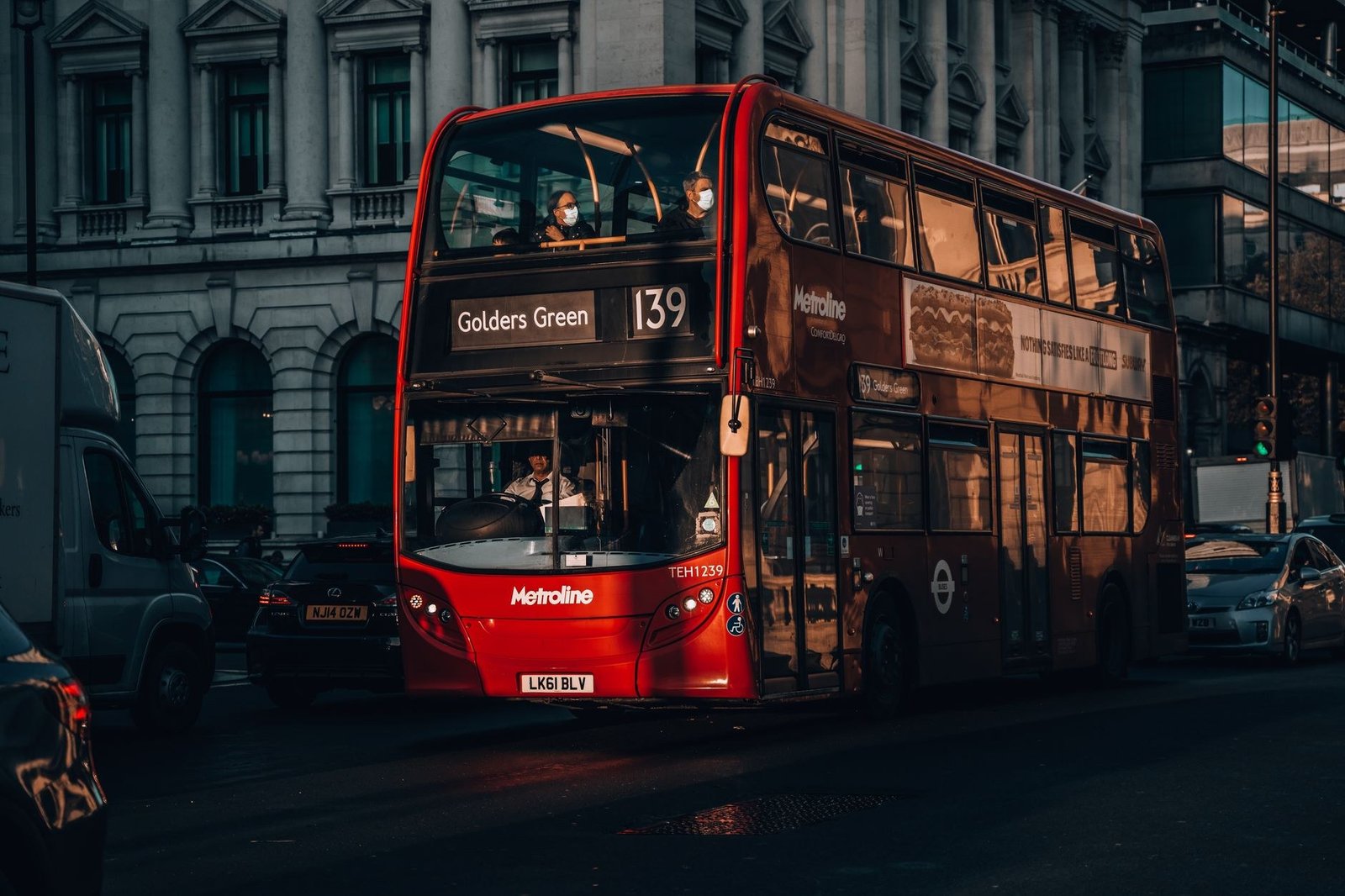
Buses and trams have a flat fare. The bus and tram fares page lists the adult pay as you go fare as £1.75, with a daily cap of £5.25 and a weekly cap of £24.70. The Hopper fare gives unlimited bus and tram journeys within one hour of touching in for £1.75, applied automatically when you use the same card or device. If an Oyster card goes into a negative balance after the first journey, the Hopper fare only applies if the card is topped up within one hour of touching in.
Oyster users can also buy Bus & Tram Pass season tickets: £6.00 for one day, £24.70 for seven days, £94.90 for a month and £988 for a year. With an 18+ Student or Apprentice Oyster photocard, 7 Day, Monthly and longer passes are 30% cheaper, at £17.30, £66.50 and £692.
Children aged 5 to 10 travel free on buses and trams, and an 11-15 Zip Oyster photocard also gives free travel. With a 16+ Zip Oyster photocard, London residents travel free and those living outside London get 50% off. If an Oyster card lacks enough credit, or a pass has just expired, you can make one more bus journey. After that, the negative balance must be cleared before the card can be used again.
FAQ
Can I use a bank card from my home country?
TfL says many contactless cards issued outside the UK can be used for pay as you go. Overseas charges may apply, and TfL advises checking with the card issuer. Mobile payments linked to a non-UK card may not work or may carry overseas transaction fees.
Can two people travel on one card?
Not on one Oyster card for the same journey. With contactless, you can pay for someone travelling with you only if they use a different card or device from yours. On a joint bank account, each card is usually charged separately.
Do I touch out on buses and trams?
No. TfL instructs passengers to touch in only on buses and trams. On the Tube, DLR, Overground, Elizabeth line and National Rail, you touch in and out to pay the correct fare.
What if I lose an unregistered card?
For an Oyster card, TfL states that pay as you go credit, a Travelcard or a Bus & Tram Pass on an unregistered card will not be refunded. An unregistered contactless card is not eligible for any refunds. Registration is done through a contactless and Oyster account.
Official sources: tfl.gov.uk · tfl.gov.uk · tfl.gov.uk
Last verified: 26 September 2026 against the official pages linked above. Rules and fees change; the official page always wins.
This is general information, not legal or immigration advice. Immigration advice in the UK may only be given by advisers regulated by the OISC or by solicitors regulated by the SRA.
Sources
- tfl.gov.uk: Pay as you go, accessed 26 September 2026
- tfl.gov.uk: Tube and rail fares, accessed 26 September 2026
- tfl.gov.uk: Bus and tram fares, accessed 26 September 2026