Meta will keep selling its camera glasses in the Netherlands, despite pressure from Dutch consumer and online abuse organisations who say the devices make it too easy to film people secretly. Alex Himel, who leads Meta’s wearables business, told NU.nl that the company takes the concerns seriously but will not take the glasses off the market, and the organisations now plan to take Meta to court.
What happened
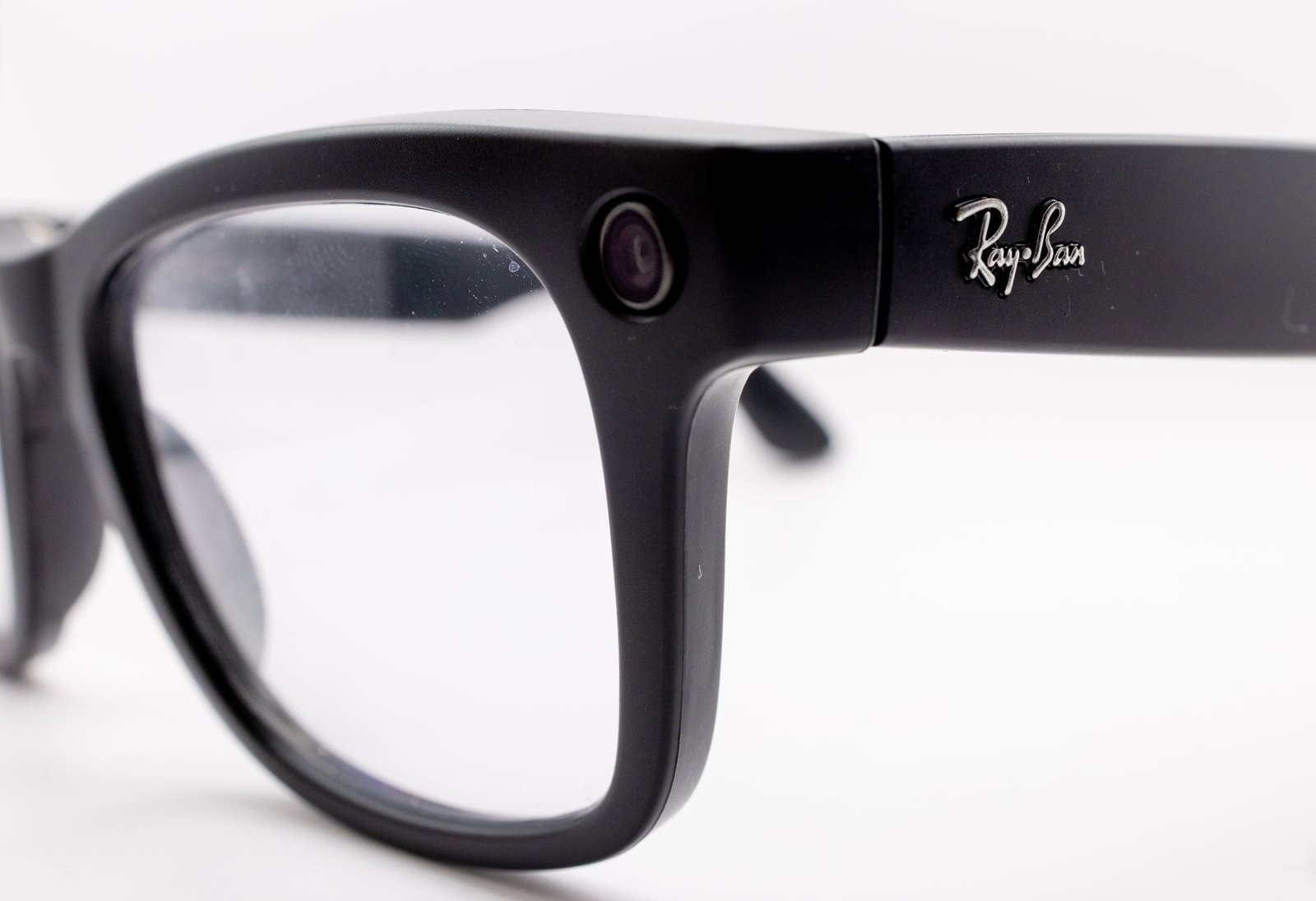
Meta’s smart glasses have cameras and microphones built into the frame. A small light shows when the glasses are recording, but critics say people nearby can barely see it. NU.nl reports that two foundations, Offlimits and The Firewall, recently sent Meta formal demand letters saying the glasses should be withdrawn for as long as they can be used to film people secretly. The Consumentenbond, the Dutch consumers’ association, sent a similar demand.
The Consumentenbond argues that camera footage can capture a lot of information about people, including their political views, religion and health. “These are special categories of personal data that cannot simply be processed,” the association said.
The organisations had set Tuesday as Meta’s final chance to discuss the glasses with them. Shortly before that deadline, Meta spoke to Dutch journalists instead. When NU.nl published its report, the organisations still had not heard from the company. Now that Meta has said it will keep selling the glasses, they plan to start a kort geding, the Dutch fast-track civil procedure for urgent cases, and to bring the case together. The hearing date will be announced later.
Himel defended the recording light in his interview with NU.nl. He said people simply need to get used to this new way of filming, as they did when phones with cameras arrived. Meta also tested sound alerts, he explained, but the speakers sit near the wearer’s ears, so the wearer hears them and bystanders mostly do not. “A light is clear, especially when it pulses,” he said.
He also admitted that Meta was surprised by how many people with bad intentions are willing to disable the warning light. The glasses are designed not to record when the light is covered, but NU.nl notes there are plenty of ways to fool them. Himel said the glasses’ algorithm is getting better at detecting a covered light, and that when Meta finds unauthorised videos or photos made with the glasses on its own platforms, it steps in by removing the footage and suspending accounts.
Why it matters if you live in Netherlands
If you own the glasses, or are thinking of buying a pair, the data question matters most. Himel stressed that recordings do not automatically end up on Meta’s servers. Footage goes to the wearer’s phone, and from there the user can choose to share it on Instagram or Facebook. The exception is the AI feature, where the glasses look through the camera to help the wearer. Footage used for that feature is processed by Meta.
Mirjam de Witte, a spokesperson for the Consumentenbond, said Meta should explain this more clearly to users. She welcomed the idea that footage does not go to Meta automatically, but added: “But is that really the case?” The association would like the faces of bystanders to be made unrecognisable. It also wants the AI feature to be switched off by default. At the moment users can turn it off themselves; the Consumentenbond wants people to have to switch it on actively if they want to use it.
If you are worried about being filmed without your knowledge, the story points to a real gap in protection. Robbert Hoving of Offlimits, the Dutch expertise centre on online abuse, said victims of secret recordings are already contacting its helpline. “We asked them to sit down with us and that did not happen,” he said. He described the glasses as a public experiment. “You should not put a product like this on the market if accidents can happen with it,” Hoving said, adding that Meta invites journalists to tell its side while victims keep calling.
If you follow Dutch politics, there is a split between parliament and government. At the end of September, a majority of members of the Tweede Kamer, the Dutch House of Representatives, voted for a stricter ban on camera glasses and secret filming. Claudia van Bruggen, State Secretary for Justice and Security, had already said in a letter to parliament that banning camera glasses would go too far. She agrees that unwanted use should be tackled, but says the law already offers enough ways to act when the glasses are misused.
Himel suggested another option: camera-free zones. He said he sees more of them in bars, changing rooms and other places, and that he understands why some venues want them. In his view, though, such rules should apply to all cameras, not only to glasses.
What to watch next
The main thing to watch is the kort geding. Offlimits, The Firewall and the Consumentenbond will bring the case jointly, and the hearing date has not been set. The outcome could decide whether the glasses stay on sale in their current form and whether Meta has to change settings such as the default status of the AI feature.
The political track matters too. Parliament has backed a stricter ban, but the State Secretary has said a ban goes too far, so it is still unclear whether the government will act on the vote. In the meantime, look out for more businesses introducing camera-free rules, and for any changes Meta makes to how the glasses detect a covered recording light.
Source: NU.nl Tech
Sources
- NU.nl Tech: Meta gaat brillen waarmee stiekem gefilmd kan worden niet uit verkoop halen, accessed 13 October 2026
The Netherlands, for internationals
One email a week: the week's news for internationals in the Netherlands, new practical guides and what changed in the cities. No spam, unsubscribe any time.