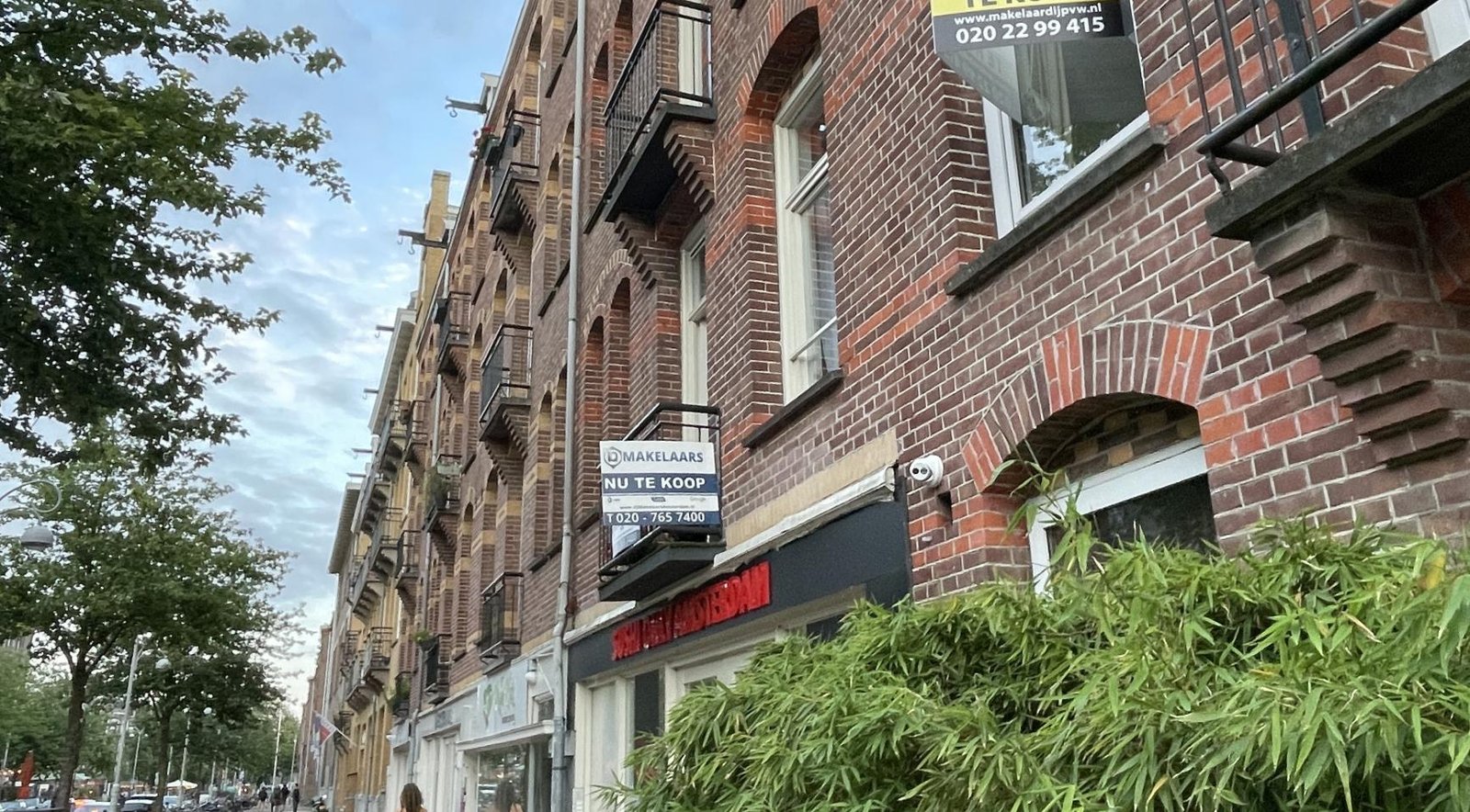
Dutch Housing Market Shows Signs of Cooling After Years of Record Price Growth
After years of relentless price increases that pushed homeownership out of reach for many Dutch residents, the Netherlands’ housing market is finally showing signs of moderation. According to data released by Statistics Netherlands (CBS) and the Land Registry in June 2026, average home prices rose by 3.2% year-on-year — the smallest increase since 2020 and a sharp deceleration from the double-digit growth seen in 2024 and early 2025.
The cooling comes as a combination of factors takes hold: higher mortgage interest rates, increased construction activity, and government interventions aimed at curbing speculation. The average home price in the Netherlands now stands at approximately €465,000, down slightly from the peak of €478,000 recorded in late 2025.
Government Measures Take Effect
The Dutch government under Prime Minister Dick Schoof has made housing affordability a central policy priority. New regulations introduced in early 2026 include expanded rent control for mid-market properties, higher taxes on investment properties, and streamlined permitting for new construction projects.
The government’s target of building 100,000 new homes per year remains ambitious, but construction figures are improving. Approximately 85,000 new homes were completed in 2025, and 2026 is on track to exceed 90,000 — still short of the target but a significant improvement over the 70,000 annual average of the previous decade.
Regional Variations Persist
The national averages mask significant regional differences. Amsterdam, Utrecht, and The Hague continue to see the highest prices and strongest demand, with average prices in central Amsterdam still exceeding €650,000. In contrast, regions like Groningen, Drenthe, and parts of Limburg offer more affordable options, with average prices below €350,000.
The Randstad’s persistent housing shortage is driving increased interest in secondary cities. Zwolle, Arnhem, and Eindhoven have all seen population growth accelerate as remote and hybrid work patterns allow more flexibility in location choice. The improved rail connections and growing tech employment opportunities in these cities are making them increasingly attractive alternatives to the traditional urban core.
What’s Next?
Economists at ABN AMRO and Rabobank forecast that Dutch housing prices will stabilize through the remainder of 2026, with modest growth of 1-3% expected. While this represents a welcome relief for potential buyers, the fundamental supply-demand imbalance remains unresolved. The Netherlands will need sustained construction at or above 100,000 units per year for at least a decade to close the accumulated housing deficit.
For now, the message to Dutch home seekers is cautiously optimistic: the market is no longer spiraling upward, but affordability remains a serious challenge that will take years — not months — to address.
The Netherlands, for internationals
One email a week: the week's news for internationals in the Netherlands, new practical guides and what changed in the cities. No spam, unsubscribe any time.