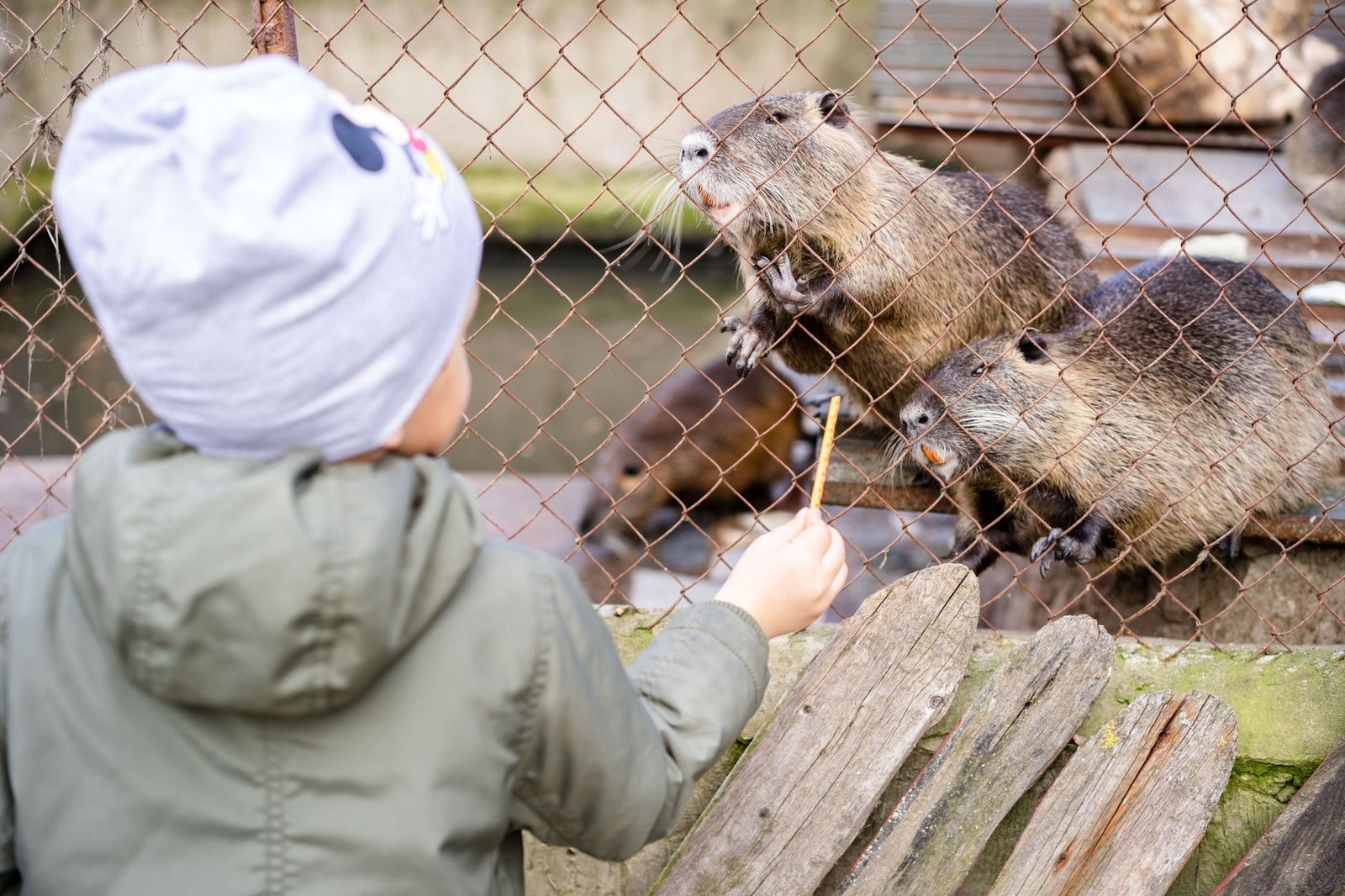
This guide is for families and couples who have moved to Frankfurt from abroad and want a relaxed, well-planned day out at the Zoo Frankfurt and the Palmengarten, with or without children. It covers what each place offers, which parts work best for young visitors and which for adults, and how to use the official websites to check tickets, opening hours and directions before you leave home.
- Two different outings in one city
- What to look out for at the zoo
- The Palmengarten at a gentler pace
- Planning the day: tickets, hours and getting there
- What works for children, and what is for adults
- FAQ
Two different outings in one city
Newcomers often lump the zoo and the Palmengarten together as “nice weekend places”. They are quite different, and knowing how helps you plan. The Zoo Frankfurt, the city’s zoo, puts animals first, and its motto says so: “Experience animals – preserve nature”. The Palmengarten, literally the “palm garden” and in practice Frankfurt’s botanical garden, sums itself up in three words: “Plants. Life. Culture.” It has been doing that for 150 years.
The zoo gives children animals with strange names they will still be repeating at dinner. The Palmengarten gives the whole family space to breathe. Together they make a balanced day: go to the place that needs the most energy while everyone still has it, and save the calmer one for later.
What to look out for at the zoo
The zoo’s own website makes a point of its odder residents, and they are a good way to get children interested. The page that asks for animal sponsors names surgeon fish, bonobos, prehensile-tailed porcupines and chuckwallas, and says their needs are as unusual as their names. Turn that into a game before you set off. Read the four names out at breakfast, let the children guess what each animal looks like, then send them to find all four. A list of real names works better than a vague promise of “lots of animals”.
The zoo says it aims to give its animals a home that is “as species-appropriate and close to nature as possible”, and that it is committed to nature and species conservation. Older children can take that further than “look, a monkey”. Its website has sections on education and conservation that are worth reading together beforehand, and a Zoo Map you can look at over breakfast to plan a route that suits small legs.
The zoo is also open about one thing you may notice: it says many enclosures now urgently need renovating. If you come across a closed area or building work, that is the reason, and it is a useful talking point about what it costs to look after animals properly.
The Palmengarten at a gentler pace
The Palmengarten describes itself as “plants from all over the world, old trees, meadows and water, wildlife and knowledge, art and culture”. For a family, that list says a lot. Meadows and water mean places to stop and let children run off steam. Old trees mean shade and something to look up at. Wildlife means watching creatures that live there freely, which makes a good contrast with the zoo.
For families who have moved countries, plants from all over the world offer a lovely small task: see whether you can find something that grows where you used to live, or where grandparents still live. It gives children a link between their old home and their new one, and it fills an afternoon without any screen.
The Palmengarten’s website has German and English versions, with a DE/EN switch at the top, so you can read up on the garden in either language before you go.
Planning the day: tickets, hours and getting there
Neither homepage lists prices or opening times, so do not rely on what a colleague paid last year. Go to the source. The Zoo Frankfurt website has separate sections for Opening Hours, Tickets, the Zoo Map and Approach, which is its page on how to get there. The zoo gives one clear tip: buy your ticket online and you get into the zoo faster. With children who are already impatient at the gate, that matters.
For the Palmengarten, its own site has the current details on opening times and admission. Check both venues on the morning of your visit, not the week before, especially in the colder months and around public holidays, when many places in Germany change their hours.
A simple shape for the day works well. Do the zoo in the morning, while children are fresh and the animals are worth the walking. Have lunch, then move on to the Palmengarten for a slower afternoon among the trees and meadows. If your children are younger or tire quickly, choose one venue and do it properly. Two half-visits with a tired toddler help nobody.
Check the zoo’s Approach page and the Palmengarten’s site for how to reach each one, and plan your route between them before you leave. Pack water, snacks and an extra layer. German weather can change during an afternoon, and an outdoor day depends on it.
What works for children, and what is for adults
For children, the zoo is the obvious draw: real animals, odd names and a map to follow. A small mission, such as finding the four animals named above, keeps a visit focused. At the Palmengarten, the meadows and water give children room to move, and hunting for a plant from home turns a walk into a game.
Adults get just as much from both, in different ways. The zoo’s conservation and education work gives the visit more depth, and its animal sponsorship scheme is a thoughtful gift idea, perhaps from relatives abroad who want to share in a child’s new life in Frankfurt. The zoo explains that the money helps it care for its animals and give them a few extras. The zoo also offers a newsletter if you want to hear about news from the zoo. At the Palmengarten, adults can spend longer on the old trees and on the knowledge, art and culture the garden lists alongside its plants. Look at its website to see what is on during your visit.
Visiting without children? Both places work very well for couples or for a quiet Sunday on your own. The Palmengarten in particular suits an unhurried afternoon.
FAQ
How much do tickets cost?
The homepages of the Zoo Frankfurt and the Palmengarten do not list prices, so check the Tickets section on the zoo’s website and the Palmengarten’s own site for current admission. The zoo recommends buying tickets online, because it gets you through the entrance faster.
Can we visit the zoo and the Palmengarten on the same day?
Yes, if you plan ahead and your children have the stamina. A good order is the zoo in the morning and the Palmengarten in the afternoon. Check both venues’ opening hours on their websites on the day, and use the zoo’s Approach page to plan your route.
Is the Palmengarten interesting for small children?
It can be. The garden describes itself as having meadows, water, old trees and wildlife, which gives children room to move and things to spot. A small task, such as finding a plant from a country your family knows, helps keep them interested.
Are the websites available in English?
Yes. The Zoo Frankfurt has an English version of its site with sections on opening hours, tickets, the zoo map and directions. The Palmengarten’s site has a DE/EN switch, so you can read it in German or English.
Official sources: zoo-frankfurt.de · palmengarten.de
Last checked: 13 October 2026 against the pages linked above. Prices, opening hours and programmes change; the venue’s own site always has the current details.
Sources
- zoo-frankfurt.de: Home – Zoo Frankfurt, accessed 13 October 2026
- palmengarten.de: www.palmengarten.de, accessed 13 October 2026
Frankfurt, for internationals
One email a week: what changed for internationals in Frankfurt, the week's news from Germany, and one guide worth reading. No spam, unsubscribe any time.