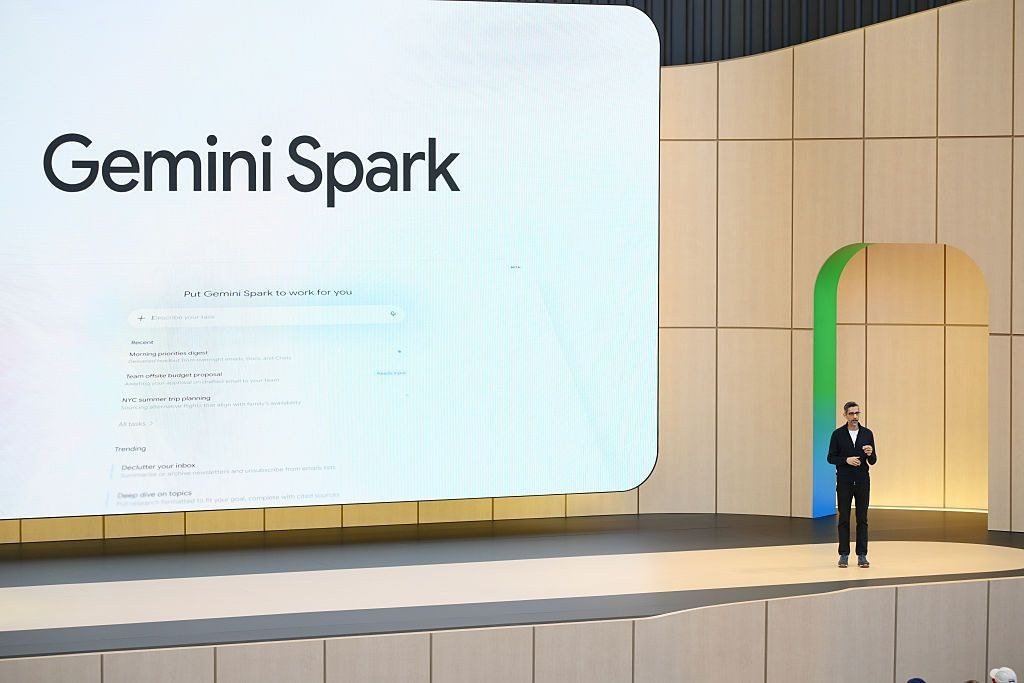
Ask a normal person what “Gemini” is, and you’ll get a shrug. Is it the app on their phone? The model answering their question? The thing that replaced Bard? A star sign? Google has spent two years and an enormous marketing budget teaching people the word, and the honest answer is that most of them still couldn’t tell you what it refers to. That confusion is the subject of a sharp TechCrunch argument published this week, and it points at something bigger than one company’s naming committee.
When the product is a diagram
The core complaint is simple. Consumer AI apps keep asking ordinary users to understand their internal architecture before they can use them well. Google’s Gemini is the poster child. The name does double duty as both the assistant you talk to and the family of models underneath it, so “Gemini” simultaneously means the chatbot, the engine, and the brand. Google didn’t stop there. It layered on Pro, Flash, and Nano, appended version numbers, and expected people to know which tier they were talking to and why it mattered.
That is the opposite of how good consumer products work. Nobody chooses a search engine by picking a ranking algorithm. Nobody opens a maps app and first selects a routing model. Yet AI companies have shipped exactly that experience: a dropdown menu of internal codenames, presented to users as if the plumbing were a feature. The TechCrunch piece frames it plainly. People shouldn’t have to learn a company’s org chart to send a message.
Everyone is doing it
Google is an easy target, but it has plenty of company. OpenAI spent much of the past two years shipping a menu of names that even engaged users struggled to keep straight, mixing numbered releases with lettered variants and “mini” versions until the model picker read like a parts catalog. Anthropic ties Claude to size-based names. The whole industry converged on the same habit, which is to expose the model lineup directly to the person who just wants an answer.
Why does this keep happening? Partly because these products were built by researchers, and researchers name things the way researchers do, by capability and version. Partly because the pace of releases is relentless, and a new name is the cheapest way to signal that something improved. And partly because the model itself has been the story. When your headline achievement is a smarter engine, you put the engine on the label. The problem is that the label then becomes the user’s problem.
There’s a quieter reason too. Naming the architecture lets a company avoid the harder work of deciding what the product actually is. A clear product name implies a clear promise. “Gemini 2.5 Flash” promises nothing to a normal person; it just describes a tier. That vagueness is convenient internally and corrosive externally, because it pushes the job of figuring out the product onto the people least equipped to do it.
The cost of confusion
Branding chaos isn’t a cosmetic issue. It shapes whether people trust the thing, recommend it, and come back. A user who can’t name what helped them can’t ask for it again. A user who picked the wrong model tier and got a worse answer blames the whole product, not the dropdown. And when the assistant, the app, and the underlying model all share one word, a failure anywhere taints the entire brand. Google is discovering that a single name spread across too many things dilutes all of them.
Contrast that with how the most durable consumer technology hid its complexity. The magic of the early iPhone was that you never thought about the chip. The magic of Google Search was that you never thought about PageRank. The interface absorbed the engineering so the user didn’t have to. AI has, for now, done the reverse, handing people a control panel and calling it simplicity.
What has to change
The fix isn’t mysterious, and a few companies are edging toward it. Route the request automatically. Pick the right model behind the scenes based on the task, the way a good service picks a server without telling you which data center answered. Give the user one name for the thing they talk to and keep the machinery invisible. The assistant should feel like a single, reliable helper, not a menu of engines the person is expected to audit.
Google has the resources and the distribution to lead here, which is exactly why the criticism stings. Gemini reaches billions of people through Android, Search, and Workspace, and that reach makes every naming misstep louder. The company that untangles this first, whether it’s Google, OpenAI, or someone smaller and hungrier, won’t just have a cleaner label. It will have the version of AI that ordinary people can actually describe to a friend, which is the only kind that spreads.
Watch the model pickers. The day they start disappearing is the day consumer AI grows up, because it will mean the industry finally decided that its architecture is its own business, not the user’s homework. Until then, the shrug stays.
For more coverage of AI branding and product design, visit Mylistingo.
“`
Source: Original Article
The Netherlands, for internationals
One email a week: the week's news for internationals in the Netherlands, new practical guides and what changed in the cities. No spam, unsubscribe any time.