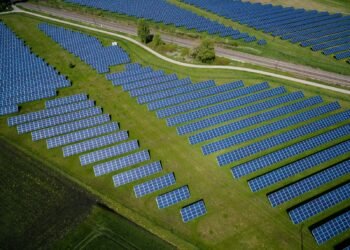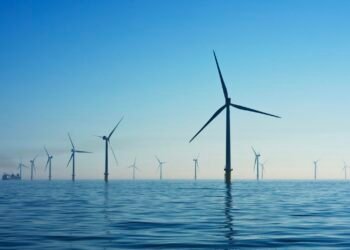
Artificial intelligence is often discussed in terms of its energy appetite—and that concern is real. But the same technology is also becoming a powerful tool in the fight against climate change. From smarter electricity grids to faster materials discovery, AI is helping humanity squeeze more value from clean energy and cut waste across the economy.
Smarter grids for cleaner power
Renewable energy is abundant but intermittent: the sun sets and the wind drops. Balancing a grid full of variable sources is fiendishly complex, and this is where AI shines. Machine-learning models forecast demand and renewable output, helping operators decide when to store energy, when to draw on it, and how to keep supply and demand in balance. Better forecasting means fewer fossil-fuel plants kept idling “just in case,” and more renewable energy actually used rather than wasted.
- Forecasting: predicting solar and wind generation hours or days ahead.
- Storage optimisation: deciding the best moments to charge and discharge batteries.
- Efficiency: reducing transmission losses and balancing load across the network.
Accelerating clean-energy science
Some of the most exciting work is in research itself. Discovering better battery chemistries, more efficient solar materials, or catalysts for carbon capture traditionally takes years of painstaking experimentation. AI can rapidly screen vast numbers of candidate materials, predicting which are worth testing in the lab. By narrowing an enormous search space, it can compress timelines for breakthroughs the energy transition badly needs.
Cutting waste across industry
A large share of emissions comes from inefficiency—energy lost in buildings, factories, and transport. AI-driven systems optimise heating and cooling, route delivery fleets more efficiently, and fine-tune industrial processes to use less energy for the same output. Even modest percentage savings, applied across millions of buildings and machines, add up to meaningful reductions.
Monitoring the planet
AI is also transforming how we observe environmental change. Analysing satellite imagery, models can track deforestation, detect methane leaks, monitor melting ice, and map the impact of wildfires—at a scale and speed impossible for human analysts. Better data means better decisions, faster responses, and more accountability for emissions.
The honest trade-off
None of this erases AI’s own footprint. Training and running large models consumes significant electricity, and the industry has a responsibility to power data centres with clean energy and improve efficiency. The fair question is net impact: does a tool save more emissions than it costs? For many climate applications—grid optimisation, materials discovery, monitoring—the answer can be strongly positive, provided the technology is deployed thoughtfully.
A tool, not a silver bullet
AI will not solve climate change on its own; that requires policy, investment, and behaviour change at a global scale. But as an accelerant—making clean energy more usable, science faster, and waste more visible—it is becoming one of the most useful instruments in the toolkit. Pointed at the right problems, it can help us move faster when speed matters most.
Mylistingo reports on AI’s role in the energy transition. Read more at mylistingo.com.
The Netherlands, for internationals
One email a week: the week's news for internationals in the Netherlands, new practical guides and what changed in the cities. No spam, unsubscribe any time.