Nine new recordings of Mahler’s Second Symphony, the “Resurrection”, have been released into the UK market in 12 months, according to a review published by The Guardian. The newspaper’s reviewer compared the latest versions and named Simon Rattle’s live recording with the Bavarian Radio Symphony Orchestra as the one that rises above the rest.
What happened
The Guardian reports that three new recordings of the symphony are out this month alone, which brings the total for the past year to nine. The conductors include Kahchun Wong, Simon Rattle, Andris Nelsons, Esa-Pekka Salonen, Donald Runnicles and Paavo Järvi. By comparison, Mahler’s Fifth and Eighth symphonies received four releases each in 2026, and his other symphonies received fewer.
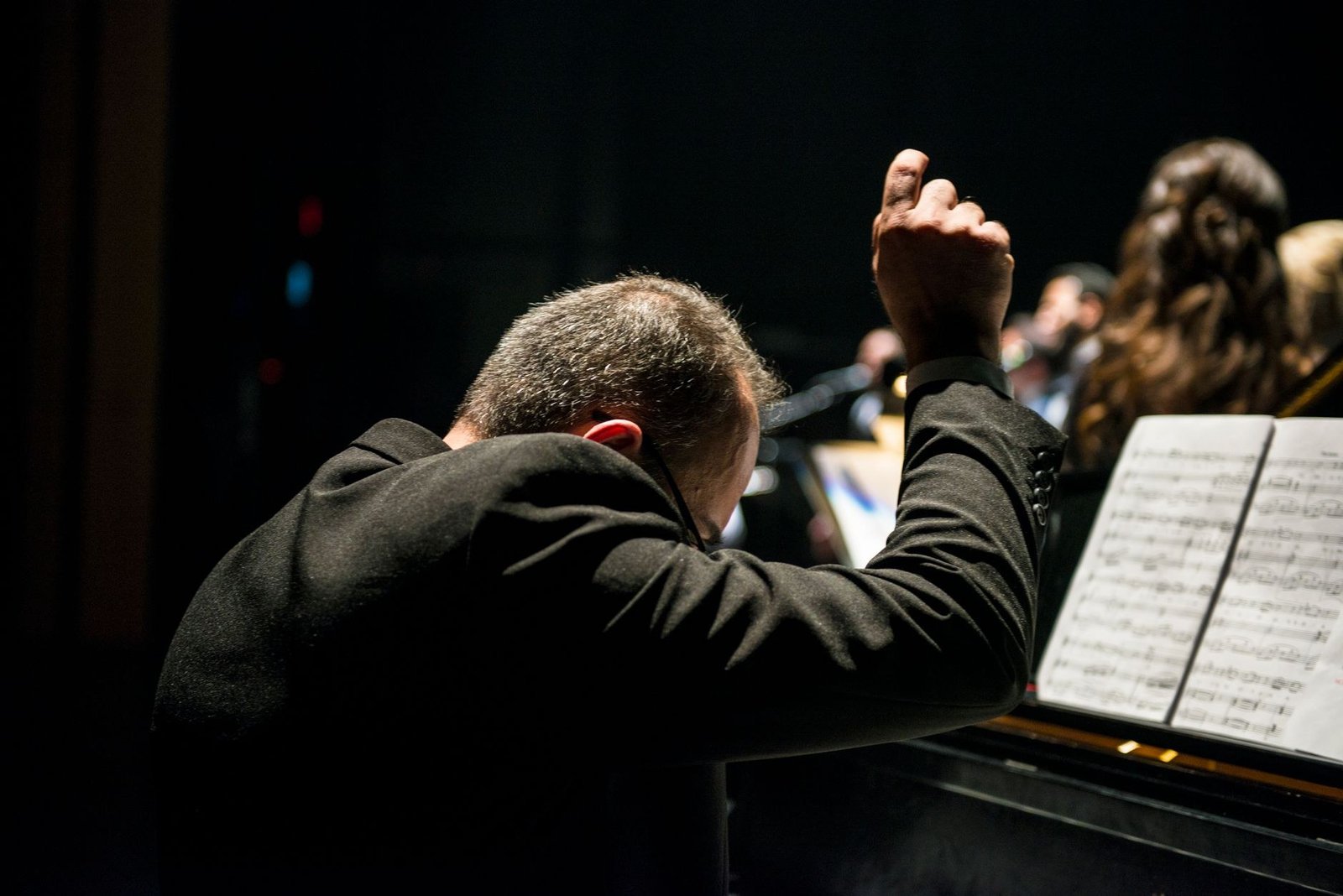
The work has also been busy on the concert stage. The Guardian lists four major UK performances so far this year: a season finale for the BBC Philharmonic in Manchester, season openers for both the City of Birmingham Symphony Orchestra and the London Symphony Orchestra, and an 80th season celebration concert for the Philharmonia Orchestra in London. The London Symphony Orchestra and Chorus performed it at the Barbican Hall on 18 October 2026 under Sir Antonio Pappano, with soprano Maria Bengtsson and contralto Noa Beinart.
The review places the boom in historical context. The Second was the first Mahler symphony to be recorded in full, when Oskar Fried and a reduced Berlin State Opera Orchestra recorded it in sessions in 1923 and 1924. Fried had been coached by the composer himself for a 1905 performance. Eugene Ormandy and the Minneapolis Symphony Orchestra made the second recording, live, in 1935. Otto Klemperer followed in 1951 and Bruno Walter, Mahler’s protégé, in 1958. At that stage, the paper notes, the work received one or two recordings a decade, compared with almost one a month now.
The Guardian identifies a practical reason for the surge. Orchestras have moved away from expensive studio sessions towards releasing live performances, often patched with material from rehearsals. None of the nine new recordings was made in a studio.
On the new releases, the reviewer praises Paavo Järvi’s account with the Tonhalle-Orchester Zürich, due on 30 October on Alpha Classics, for its production values and for mezzo-soprano Anna Lucia Richter. Cristian Măcelaru’s version with the Orchestre National de France, released last month on Naïve, is described as muddy and monochrome. Esa-Pekka Salonen’s San Francisco recording on SFS Media is called supple and clean, though the reviewer finds some speeds breathless.
The top recommendation goes to Rattle’s recording with the Bavarian Radio Symphony Orchestra, released on 2 October on BR Klassik. It comes forty years after his recording with the CBSO for EMI, which won a Gramophone award. The reviewer highlights the state-of-the-art engineering, the Scottish mezzo-soprano Beth Taylor as soloist and the Bavarian Radio Chorus in the finale.
Why it matters if you live in United Kingdom
If you are new to the UK and curious about classical music, this symphony is one of the easiest major works to hear live here. The Guardian’s list shows that orchestras in Manchester, Birmingham and London have all chosen it for important concerts this year. The next chance mentioned in the review is next month, when the London City Orchestra performs it at Fairfield Halls in Croydon, in south London.
For listeners at home, choice is wide. The Guardian reports that Apple Music Classical currently shows 222 listings for the work, while the UK retailer Presto Music returns 260 results, many of them complete recordings to download or buy on CD or vinyl. Some are reissues of older recordings. The reviewer suggests that people who stream can try each version in turn, while collectors on a budget face a harder choice about where to spend their money. The review is aimed at the second group.
The review also gives a short guide to recordings with a strong British connection. Among the older versions it recommends are Klemperer’s 1962 stereo recording with the Philharmonia Orchestra, which it calls a benchmark, and Georg Solti’s account with the London Symphony Orchestra from the 1960s. For listeners who want the feel of a live concert, it points to Klaus Tennstedt’s 1989 performance with the London Philharmonic at the Royal Festival Hall. It also notes that Leonard Bernstein’s first studio recording with the New York Philharmonic, from 1963, has now been remastered.
For anyone deciding which new release to buy, the paper’s advice is clear: Rattle first, with Järvi as a strong alternative.
What to watch next
Järvi’s Zürich recording arrives on 30 October on Alpha Classics, and it will be one of the three new versions released this month that bring the year’s total to nine. Concertgoers can look out for the London City Orchestra’s performance at Fairfield Halls next month.
The bigger question raised by the review is whether the market has reached saturation point. The reviewer asks whether there is simply strong demand for a symphony about triumph over adversity in uncertain times, or whether the ease of releasing live recordings is driving supply. With the Second far ahead of Mahler’s other symphonies in 2026 releases, it will be worth watching whether labels keep up the pace next year or turn their attention to his other works.
Source: The Guardian
Sources
- The Guardian: With nine new recordings of Mahler’s epic Resurrection Symphony this year alone, which rises above the rest?, accessed 19 October 2026
The UK, for internationals
One email a week: the week's news for internationals in the UK, new practical guides and what changed in the cities. No spam, unsubscribe any time.