



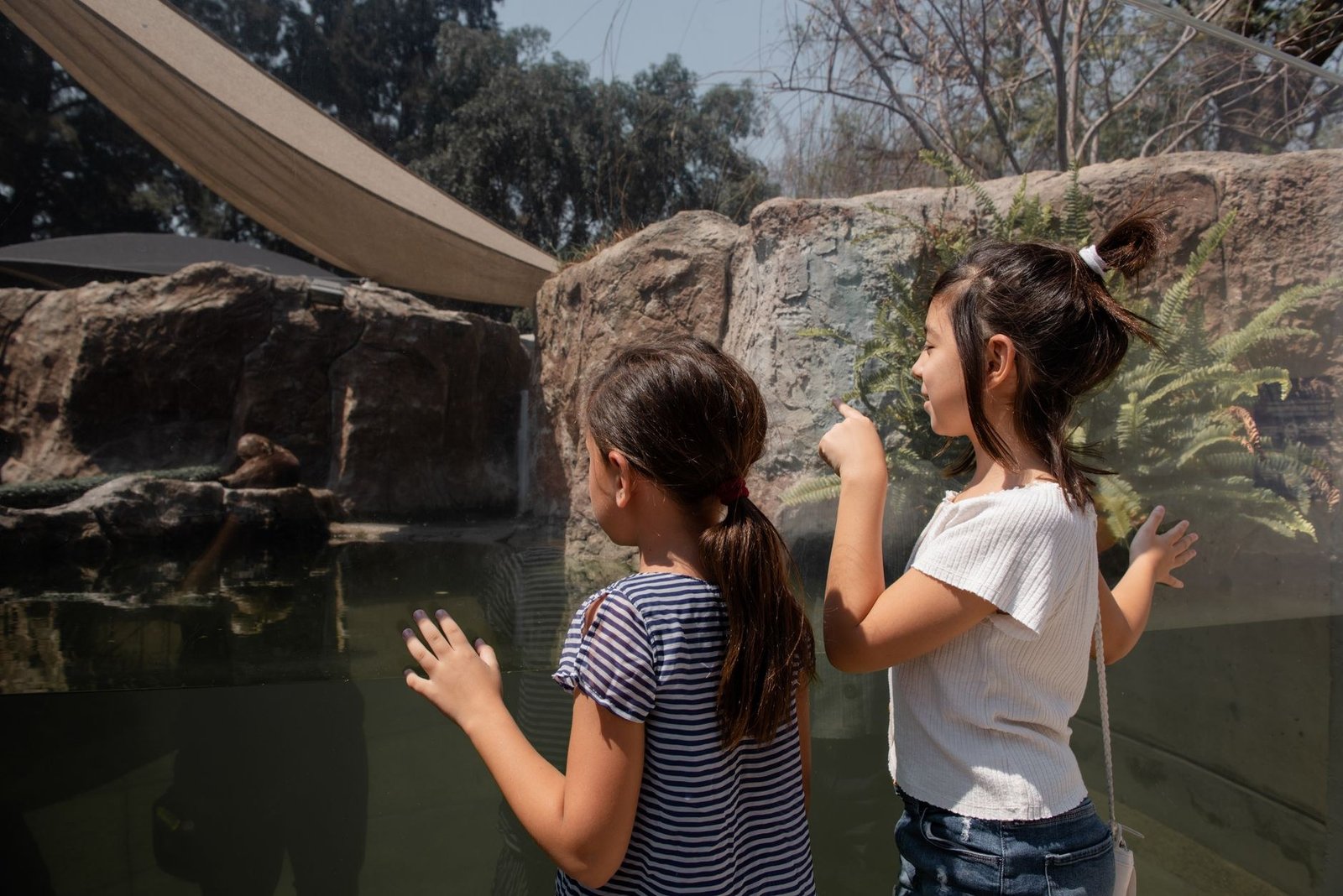
This guide is for international families in Munich, and for anyone who has just moved here and wants an easy day out, who are thinking about a visit to Tierpark Hellabrunn, the city’s zoo. You will learn how the zoo is laid out, how to get there while the U3 works are on, what to check before you leave home, and how to plan a visit that works for small children and adults alike.
- What makes Hellabrunn different
- Getting there during the U3 works
- Tickets, opening hours and practical details
- Planning the day with children
- For adults and older children
- FAQ
What makes Hellabrunn different
Most Munich residents just call it “the Tierpark”, meaning the animal park. According to the official Hellabrunn website, the zoo is home to more than 500 animal species from all five continents and is open 365 days a year. That last point is useful if you are new here and still getting used to how many things close on Sundays and public holidays.
Hellabrunn calls itself the first geozoo in the world. Since 1928, the animals have been grouped by continent rather than by type, so you move through the world region by region instead of walking past one cage of cats after another. The zoo puts it neatly: only a few metres separate the African savannah from the cold ice desert of the polar world. For children, this makes the visit feel like a journey. For parents, it makes the visit easier to plan, because you can pick a couple of continents and save the rest for next time.
The zoo offers a zoo map on its website. Look at it before you go, especially if you have small children who will only manage part of the grounds.
Getting there during the U3 works
Normally the easiest way to get there is the U3 underground line towards “Thalkirchen (Tierpark)”, which has the zoo right in the name of the end station. At the moment, though, you need a different plan. The zoo reports that, because of renovation work at the Poccistraße and Goetheplatz underground stations, no trains will run between Sendlinger Tor and Implerstraße until 28 November.
During this period you have three options, all named on the zoo’s homepage:
- SEV U3 bus: SEV stands for Schienenersatzverkehr, meaning rail replacement service. These buses cover the section where the U3 is not running.
- Bus 52: runs from Sendlinger Tor to the Alemannenstraße / Tierpark stop.
- Tram 25: runs every 5 to 10 minutes to the “Tiroler Platz” stop in the Harlaching neighbourhood, which the zoo describes as a short walk from the entrance.
With a pushchair, the tram or a direct bus is often less stressful than changing between a replacement bus and the underground. For live departures and wider public transport information, the City of Munich’s official website, muenchen.de, has a traffic and transport section. Check before you leave, as timetables during building works can change at short notice.
Tickets, opening hours and practical details
The zoo’s homepage encourages visitors to buy tickets online in advance. The pages used for this guide do not list ticket prices, family ticket options, age limits for free or reduced entry, opening hours or the street address. All of these are on Hellabrunn’s own website, so check there for current details rather than relying on older blog posts or what other parents remember paying last year.
There is also something worth knowing about building work. Hellabrunn says it is preparing for the future and refurbishing parts of the grounds, which means occasional construction sites and the restrictions that come with them. The zoo shows current information about these works on monitors at its entrances, and it has a dedicated subpage, which is in German only. If your child has their heart set on one particular animal, look at that page first, or check the monitors as you arrive, so you can set expectations before the disappointment sets in. A browser translation tool handles the German page well enough.
Planning the day with children
The continent layout is your best friend here. Instead of trying to see everything, let your children choose a “trip” for the day: the African savannah, perhaps, followed by the polar world. Because these areas are close together, you get a big contrast without a long walk, which counts for a lot when little legs are tired.
A few practical suggestions that follow from what the zoo itself says:
- Use the map at home. Children who have seen the map before the visit tend to enjoy finding “their” animals, and you can plan a route with natural breaks.
- Go on a sunny day if you can. In its autumn press release, the zoo notes that on sunny autumn days many animals bask in their outdoor enclosures one last time before winter, and that the grounds are full of autumn colour. That makes this a good season for a visit, when the animals are easy to see.
- Remember it is open all year. Since Hellabrunn opens 365 days a year, a quiet winter weekday can be a calm alternative to a crowded summer Saturday. The pages do not say which days are busiest, so this is a matter of local habit rather than official guidance.
- Plan a shorter visit for toddlers. With more than 500 species, there is no point trying to see them all with a three-year-old. Two or three areas and a relaxed pace usually work better than a forced march.
Newcomers who do not yet speak German will also be pleased to find that the main zoo website is available in English, which makes planning much easier. The subpage about construction work is the exception.
For adults and older children
Hellabrunn is not only a place to keep small children busy. The zoo makes nature conservation and species protection central to what it does, and it invites visitors to learn how animals’ habitats can be protected. Older children and adults usually get more out of this side of the visit, so it is worth reading signs together and talking through what you see.
Two current projects show this work in practice. Stadtsparkasse München, Munich’s municipal savings bank and a long-standing partner of the zoo, has donated 100,000 euros towards redesigning the enclosure for the Przewalski’s horses, a wild horse species. The zoo also writes about its animal training, describing how its trainers build trust and cooperation between animals and the people who care for them. Both are good starting points for a conversation with teenagers who think they have outgrown the zoo.
If you would like to support the zoo’s species protection work, Hellabrunn accepts donations through its website. Adults without children will find the geozoo concept and the conservation focus reason enough for a visit, especially on a quiet weekday.
FAQ
Is Hellabrunn open all year?
Yes. The zoo states that it is open 365 days a year. Its official pages used for this guide do not give daily opening hours, so check the current times on Hellabrunn’s own website before you go.
How do I get to the zoo while the U3 is not running?
Until 28 November, no U3 trains run between Sendlinger Tor and Implerstraße. You can take the SEV U3 rail replacement bus, bus 52 from Sendlinger Tor to the Alemannenstraße / Tierpark stop, or tram 25 to Tiroler Platz in Harlaching, a short walk from the zoo.
How much are tickets, and do children go free?
The pages used for this guide do not state ticket prices or age limits. Hellabrunn sells tickets online and publishes current prices and conditions on its official website, so check there for up-to-date details.
Will any areas be closed when I visit?
Possibly. The zoo is refurbishing parts of its grounds, which can mean temporary construction sites and restrictions. Current information is shown on monitors at the entrances and on a dedicated subpage of the zoo’s website, which is in German only.
Official sources: hellabrunn.de · muenchen.de
Last checked: 1 November 2026 against the pages linked above. Prices, opening hours and programmes change; the venue’s own site always has the current details.
Sources
- hellabrunn.de: Homepage – Tierpark Hellabrunn, accessed 1 November 2026
- muenchen.de: Welcome to the official website of Munich, accessed 1 November 2026
Munich, for internationals
One email a week: what changed for internationals in Munich, the week's news from Germany, and one guide worth reading. No spam, unsubscribe any time.







Comments 2