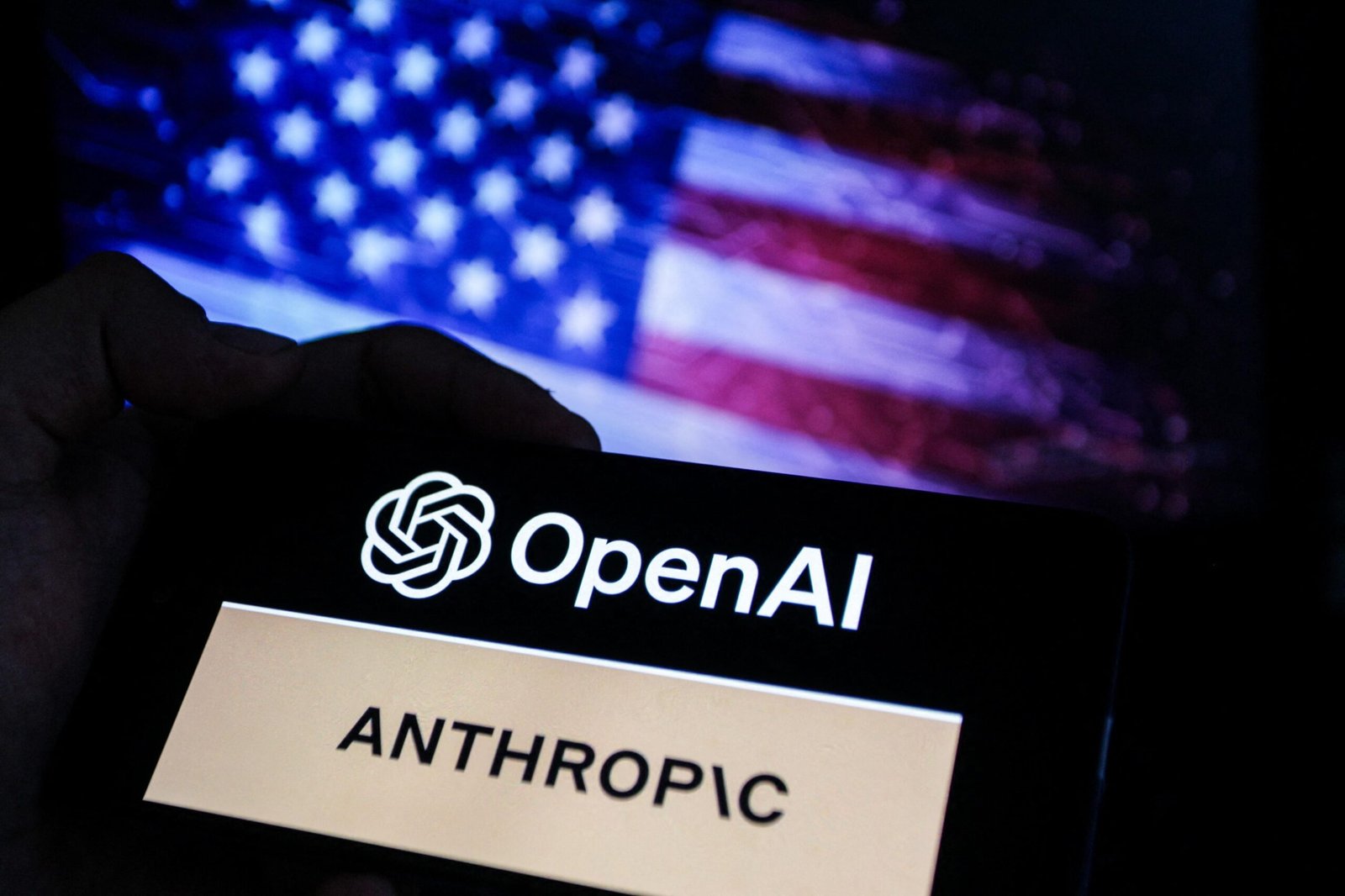
OpenAI filed confidentially for a US initial public offering on June 8th — exactly one week after Anthropic submitted its own filing. The timing is not a coincidence. Both companies are racing toward public markets, and as they do, the products they have built are changing shape around them.
The super app pivot
For most ChatGPT users, the IPO filings are background noise. What matters more immediately is how the product itself is changing. OpenAI has spent recent months redesigning ChatGPT from a general-purpose chatbot into something closer to a super app — a single interface for writing, coding, research, travel planning, and calendar management, with integrations from more than 90 companies. Canva, Figma, Slack, Notion, Booking.com, Spotify, and Zillow are among those building direct connections to the platform, with the full rollout expected within weeks.
The shift reflects where the money is. Codex, OpenAI’s paid coding product, now claims over five million weekly active users. Coding tools command higher subscription prices than general chat assistants, and OpenAI is nudging users toward premium features through redesigned interfaces and embedded prompts. It is a meaningful change in the company’s commercial posture.
Anthropic’s own ambitions
Anthropic’s IPO filing arrives with a different story behind it. The company raised $65 billion at a post-money valuation of roughly $965 billion in late May, making it one of the most valuable private companies in technology history. Claude, its flagship model, has built a strong reputation among developers and enterprise customers for accuracy and careful design. The company is expected to list on the Nasdaq or New York Stock Exchange as early as October 2026.
Prediction markets are currently placing a 76 percent probability on Anthropic going public before OpenAI, a slight edge that could reverse at any moment. Both companies are moving quickly, and neither is giving much away about the specifics of their filings.
What else launched this week
Outside the IPO filings, the AI tools landscape kept expanding. VmakeAI launched on June 1st with a platform that converts product links and photos into short-form videos designed for TikTok and Instagram Reels, with 4K upscaling and background removal built in. Aleph 2.0, released the following day, allows frame-by-frame video editing where a single change propagates across an entire 30-second sequence — change the clothing color in one frame and the entire clip updates.
On the enterprise side, ChatGPT’s new workspace agents feature lets companies deploy AI that can own entire workflows end-to-end. Admin controls give organizations visibility into agent activity, and the agents can be shared across teams rather than locked to individual users. For companies that have spent two years experimenting with AI in isolated pockets, shared agent infrastructure is the next logical step.
What public markets mean for developers
When AI companies go public, they answer to shareholders in ways they currently do not. Pricing decisions, API availability, rate limits, and model deprecation schedules all become subject to earnings pressure that is harder to predict than venture-backed flexibility. Developers who have built products on top of OpenAI or Anthropic models are watching these filings closely, and with good reason.
The super app model also changes the competitive dynamics. If ChatGPT becomes the default interface for a dozen categories of software, the companies it integrates with gain distribution but cede leverage. How that trade-off plays out will depend on how dominant the platform becomes, and how quickly its terms change once investors are part of the conversation. For more coverage of AI tools and the companies building them, visit Mylistingo.