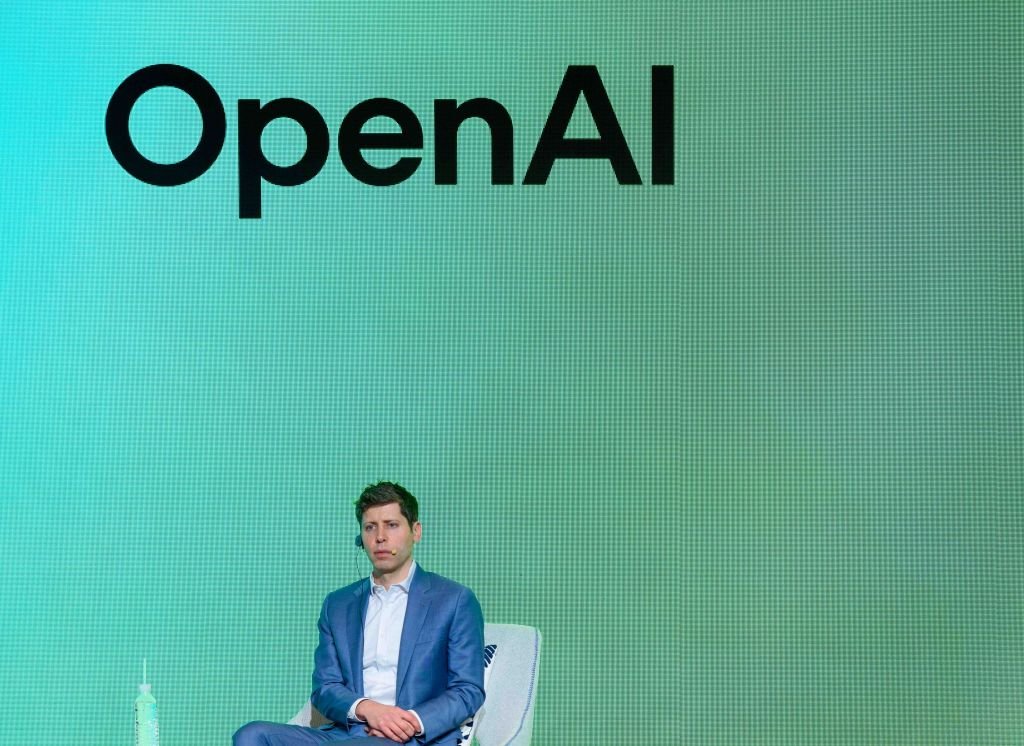
OpenAI has formally pushed back against Apple’s trade secret lawsuit, calling the allegations unsupported by evidence. The response, shared publicly on Tuesday, marks the first substantive comment from the AI lab since Apple filed its complaint last week.
“While we take these allegations seriously, we are not aware of any evidence that this complaint has merit,” OpenAI said in a statement. The company also reiterated its belief in fair competition and the freedom of workers to choose their employers, adding that its primary goal remains building technology that benefits people worldwide.
The allegations behind the lawsuit
<
p>Apple’s 41 page complaint, filed in the U.S. District Court for the Northern District of California, accuses OpenAI of orchestrating a coordinated effort to obtain confidential information and intellectual property from the iPhone maker. The lawsuit centers on former Apple employees who now work at OpenAI, including Chief Hardware Officer Tang Tan. Tan spent 24 years at Apple, holding senior roles such as vice president of product design for the iPhone and Apple Watch.
The lawsuit claims that an internal Apple investigation uncovered evidence that OpenAI and its partners used the company’s proprietary information while developing their own hardware product. Apple contends that the alleged trade secret theft is part of a broader pattern of behavior that threatens its competitive position.
OpenAI’s evolving position
This is not the first time OpenAI has addressed the matter. In an initial statement issued hours after Apple filed the lawsuit, OpenAI told TechCrunch that it has no interest in the trade secrets of other companies. The AI lab insisted then that its focus remains on creating innovative technology that empowers people. The latest statement goes further by directly challenging the merits of Apple’s claims.
The legal dispute comes at a time when OpenAI is widely reported to be building its own hardware. The company recently acquired Jony Ive’s startup io, and Bloomberg reported that OpenAI is developing a mobile, screen free smart speaker described as a humanlike AI companion meant for the home. The device reportedly has no screen, incorporates moving mechanical parts, and is being developed with input from several former Apple engineers who worked on the iPhone and Mac.
These hardware ambitions put OpenAI on a potential collision course with Apple. If the smart speaker reaches production, it would compete directly with Apple’s ecosystem of home devices and voice assistants. The lawsuit adds legal tension to an already competitive landscape.
Broader implications for the AI industry
This case highlights the growing friction between established tech giants and ambitious AI startups. As companies like OpenAI push into hardware, they are increasingly vulnerable to accusations of trade secret theft, especially when hiring talent from dominant players. Apple’s aggressive legal posture signals that it intends to protect its intellectual property at all costs.
For OpenAI, the lawsuit poses both a legal challenge and a public relations test. The company must defend its hiring practices while continuing to attract top engineering talent. The outcome could set a precedent for how courts handle trade secret disputes involving former employees of large technology firms who move to AI focused startups. For a deeper look at how efficiency is reshaping the AI landscape, see our look at small language models.
The Netherlands, for internationals
One email a week: the week's news for internationals in the Netherlands, new practical guides and what changed in the cities. No spam, unsubscribe any time.