UEFA has ordered Serbia to play its Nations League home match against Germany on 13 November without spectators, Sportschau reports. The penalty follows racist and discriminatory behaviour by Serbian supporters, and it leaves German fans who planned to travel to Belgrade unsure whether they can attend.
What happened
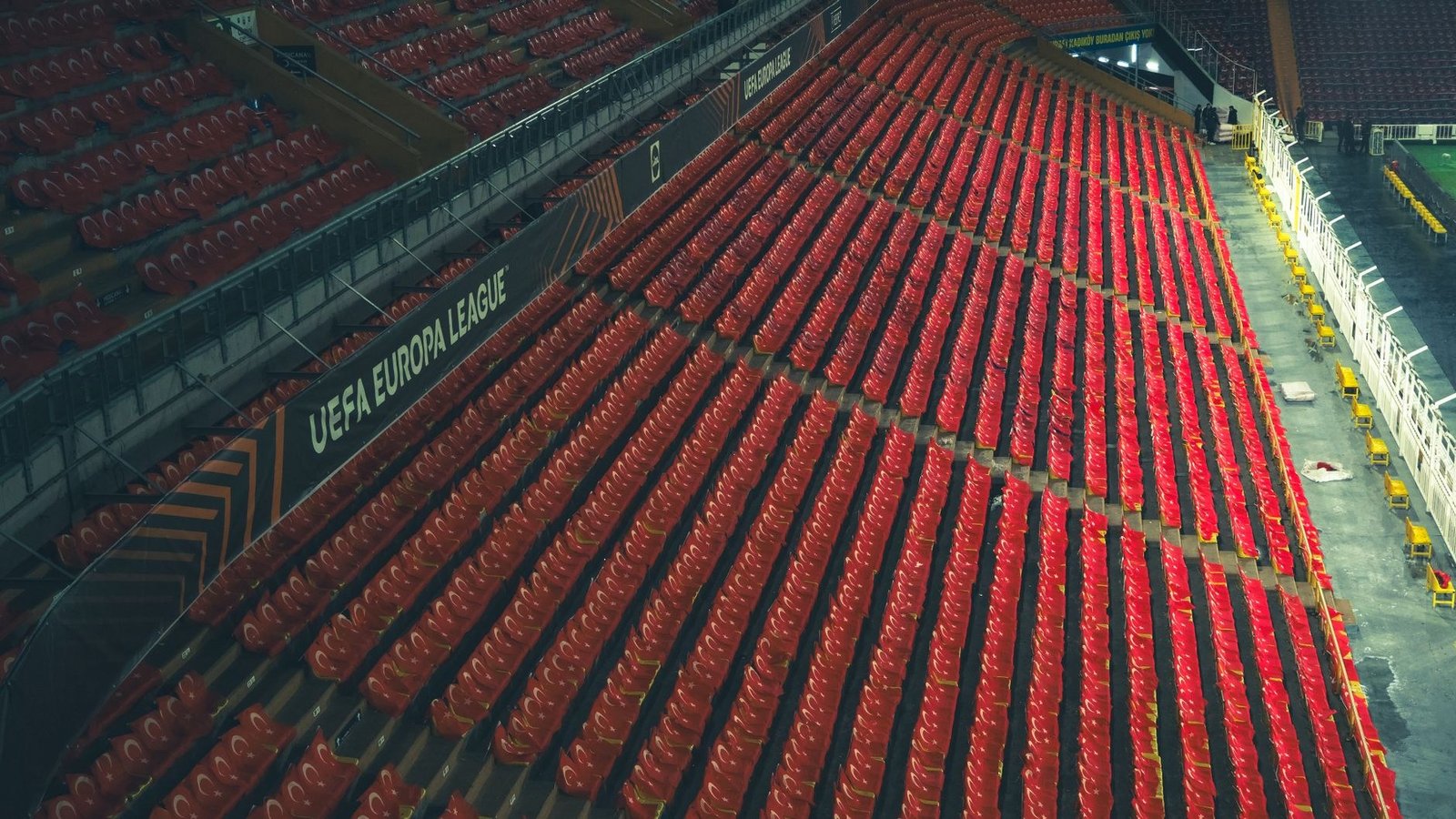
According to Sportschau, UEFA’s ruling means that, as things stand, no fans will be admitted to the stadium of Roter Stern Belgrad (Red Star Belgrade) for Germany’s second-to-last group match. Kick-off is at 20:45. For Jürgen Klopp, the match could take place in an empty stadium, a so-called Geisterspiel (ghost game), or in front of a very small crowd.
Sportschau says European football’s governing body punished the Serbian federation for the conduct of its supporters in Serbia’s recent matches against Greece and the Netherlands. Serbia lost both of those games 1:2. Along with the stadium ban, the federation has to pay a fine of 50,000 euros.
That is not the only penalty. Sportschau reports that the Serbian federation must pay almost 80,000 euros more for further offences by its fans. UEFA also handed down a ban on Serbian supporters at an away match, suspended for two years. If there is further trouble in that period, the ban could take effect.
Serbia were already under sanction when the two teams met in the first match of the group. That game took place in Munich on 1 October and ended 2:0 to Germany, Klopp’s first win as Bundestrainer (head coach of the German national team). For that match, the Serbian federation was not allowed to sell tickets to its own fans.
Why it matters if you live in Germany
The ruling directly affects anyone in Germany who was planning a trip to Belgrade for the match. Sportschau notes that it was initially unclear what the decision means for German fans who wanted to travel and had already tried to get tickets. If you have booked travel or applied for tickets, you should not assume you will get into the ground until the question of spectators has been settled.
There may still be some room for travelling supporters. According to a statement cited by Sportschau, the Serbian football federation wants to get the punishment reduced. Its proposal is that at least children should be allowed into the stadium, plus 2,000 German fans. A reduced crowd of this kind has a precedent: Sportschau points out that the Croatian federation, facing a similar ruling, once secured a small crowd for a match against England.
For now, though, nothing is fixed. Sportschau reports that, according to UEFA, there are no concrete plans yet for a reduced crowd in Belgrade. The scale of what might be lost is clear from the venue itself. The Stadion Rajko Mitić, Red Star’s home ground, normally holds just over 55,000 spectators.
For fans following the team from Germany, the date and kick-off time stay the same: Thursday 13 November at 20:45. Whether the match is played to empty stands or to a few thousand people, it remains an important fixture in Germany’s Nations League group, Sportschau says.
The case also shows how seriously UEFA now treats racism in stadiums. Two penalties against the same federation within weeks, a fan ban for the Munich match and a suspended away ban for the next two years point to a regulator prepared to escalate. Sportschau has also reported, in a separate piece published on 1 October, that football in Serbia often makes negative headlines and that this is usually tied to politics in a divided country.
What to watch next
The first thing to watch is whether the Serbian federation gets the ruling softened. If UEFA accepts the idea of letting in children and 2,000 German supporters, fans in Germany will need to find out quickly how those tickets will be distributed. Sportschau’s report does not say how that would work, so any official word from the DFB (Deutscher Fußball-Bund, the German Football Association) or from UEFA will be the place to look.
The second thing is the suspended away-fan ban. It runs for two years, so any further incidents involving Serbian supporters could trigger it, with consequences for future matches.
Finally, there is the football itself. After the 2:0 win in Munich, Klopp’s team travels to Belgrade for the second-to-last match of the group. Whatever the size of the crowd, the result could shape Germany’s position going into the final round.
Source: Sportschau
Sources
- sportschau: UEFA bestraft Serbien: Geisterspiel für Klopp und die Nationalmannschaft?, accessed 12 October 2026
Germany, for internationals
One email a week: the week's news for internationals in Germany, new practical guides and what changed in the cities. No spam, unsubscribe any time.