AI News
  • Home
  • AI & Tech
  • Machine Learning
  • Startups
  • Tools & Apps
  • Robotics
  • Future Tech
  • AI in Industry
    • AI in Sport ⚽
    • AI in Health
    • AI in Education
    • AI in Finance
    • AI in Business
    • AI in Law
    • AI in Climate
No Result
View All Result
SAVED POSTS
AI News
  • Home
  • AI & Tech
  • Machine Learning
  • Startups
  • Tools & Apps
  • Robotics
  • Future Tech
  • AI in Industry
    • AI in Sport ⚽
    • AI in Health
    • AI in Education
    • AI in Finance
    • AI in Business
    • AI in Law
    • AI in Climate
No Result
View All Result
AI News
No Result
View All Result

How AI Became the 48th Team at the 2026 World Cup

Ramo by Ramo
10 July 2026
in AI in Sport
415 8
0
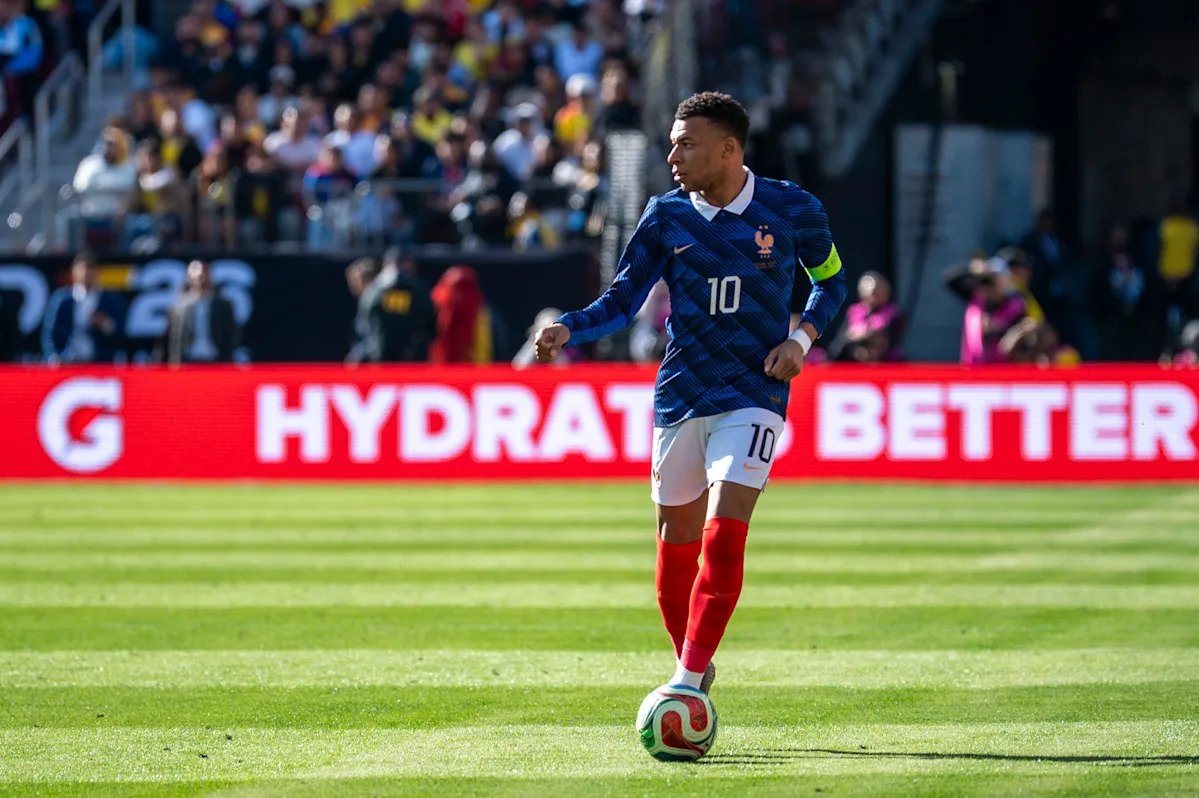
Editorial photo for: How AI Became the 48th Team at the 2026 World Cup

How AI Became the 48th Team at the 2026 World Cup

586
SHARES
3.3k
VIEWS
Summarize with ChatGPTShare to Facebook

When the 2026 FIFA World Cup kicked off across the United States, Canada, and Mexico, the tournament quietly introduced a team that wore no jersey and never touched a ball. Artificial intelligence was embedded into nearly every layer of the competition, from the way referees reviewed close calls to the way Argentina’s coaching staff prepared their match-day game plans.

For the first time in World Cup history, 48 national teams compete across 104 matches spanning 16 host cities. Managing that scale — the logistics, the officiating, the fan experience — would have been almost impossible without machine-learning systems working in the background. FIFA, Google, and Lenovo each brought distinct tools to the table, and the result is the most technologically sophisticated tournament the sport has ever seen.

Argentina Uses Gemini to Break Down the Opposition

Defending champion Argentina has made no secret of its use of Google’s Gemini AI model. Players and coaching staff are using Gemini to analyze match footage, break down opposing formations, and digest statistical summaries before training sessions. The tool lets coaches query complex datasets in plain language, asking things like how a specific midfielder performs under high press in the final 20 minutes, and getting a response in seconds rather than hours of video review.

⚡
FEATURED GEAR
Garmin Forerunner 265 GPS Running Smartwatch
Garmin
AI-powered training load analysis, performance forecasting and race time prediction on your wrist.
View on Amazon →affiliate link

It marks a shift in how top-level football clubs prepare. Data analysis has been part of the game for a decade, but the conversational interface that modern AI models offer is making those insights accessible to players themselves, not just analysts working behind the scenes.

AI-Generated Avatars Are Settling Offside Disputes

One of the most visible applications of AI at this World Cup is the use of three-dimensional player avatars to adjudicate offside decisions. When a tight call goes to review, broadcasters and officials now see a photorealistic digital reconstruction of the moment, generated in real time from multiple camera feeds. The system tracks body positions frame by frame and renders the scene from any angle, removing the ambiguity that plagued traditional freeze-frame checks.

The technology draws from the same computer-vision research used in motion-capture filmmaking, adapted for the speed and precision demands of elite sport officiating. Most referees and broadcast commentators have praised the clarity it brings to decisions that once sparked minutes of confusion and crowd frustration.

Lenovo’s Command Center Watches Everything

Behind the spectacle, Lenovo has built an intelligent operational command center that monitors the entire tournament in real time. The system ingests data from all 16 venues simultaneously, tracking crowd density, equipment status, broadcast feeds, and security alerts. Every morning, FIFA officials receive AI-generated summaries of the previous day’s operations, flagging anomalies and projecting resource needs for upcoming matches.

Lenovo also constructed digital twins of every host stadium. These are precise virtual replicas that mirror physical conditions, from air temperature and pitch humidity to crowd flow patterns. Tournament organizers can run simulations before each match day, identifying potential bottlenecks in fan entry or exit routes and adjusting staffing before any problem develops.

A Growing Market With Growing Stakes

The commercial backdrop to all this innovation is substantial. The generative AI in sports market was valued at approximately $280 million in 2025 and is projected to reach $360 million by the end of 2026, growing at an annual rate of nearly 27 percent. That trajectory reflects how quickly clubs, broadcasters, and governing bodies are moving from experimentation to operational dependency.

Away from the World Cup, the shift is visible in horse racing too. Affinity Interactive’s Daily Racing Form recently partnered with Horseshoe Indianapolis to launch what they’re calling the industry’s first virtual AI handicapper, a tool designed to give bettors and fans a richer layer of data-driven analysis.

What Comes After the Final Whistle

The 2026 World Cup will almost certainly be remembered for what happens on the pitch. But it may also be the tournament that normalized AI as a permanent part of professional football’s infrastructure. The systems deployed here will not disappear after the final. They will become baseline expectations, tools that clubs and federations will consider standard practice for the next cycle and beyond.

For more on how technology is reshaping sport, business, and everyday life, explore the latest coverage at Mylistingo.


SummarizeShare234
Ramo

Ramo

Ramo is the editorial voice of Mylistingo — an AI and technology news platform based in The Hague, Netherlands. Covering artificial intelligence, machine learning, robotics, and the future of technology, Ramo delivers accurate, accessible reporting for both general audiences and industry professionals. Every article is fact-checked and written to meet Mylistingo's strict no-fabrication editorial standards.

Related Stories

The World Cup Where AI Called the Offsides

by Ramo
21 July 2026
0

The 2026 World Cup ended Sunday. Its quieter legacy is the AI officiating stack FIFA ran underneath it, from instant offside flags to team analytics.

Baseball stadium interior during a professional game

MLB Robot Umpire Data: 55% of Calls Overturned

by Ramo
20 July 2026
0

Baseball’s automated ball-strike challenge system is reversing more than half of contested calls, and quietly reshaping walks and pitch framing.

AI data analytics defining 2026 FIFA World Cup

How AI and Data Analytics Are Defining the 2026 FIFA World Cup

by Ramo
13 July 2026
0

AI and data analytics are transforming soccer ahead of the 2026 FIFA World Cup. Discover how machine learning is changing training, tactics, and scouting i

Featured image for artificial intelligence and technology article

The 2026 FIFA World Cup Qualifiers: Surprises, Underdogs, and Tactical Shifts Reshaping Global Football

by Ramo
10 July 2026
0

2026 FIFA World Cup qualifiers deliver stunning upsets and tactical revolutions. African giants stumble as underdogs rise. Full qualifying analysis.

Recommended

Editorial photo for: IOSCO Publishes AI Toolkit as Finance Sector Doubles Down on Intelligent Systems

IOSCO Publishes AI Toolkit as Finance Sector Doubles Down on Intelligent Systems

10 July 2026
ml feat guardian 14195

Google Rolls Out Major AI-Powered Search Overhaul in June 2026

8 July 2026

Popular Story

  • ml_feat_56193023

    ASML’s Next-Gen High-NA EUV Machines Drive Eindhoven Expansion, Creating 20,000 New Jobs

    590 shares
    Share 236 Tweet 148
  • Best Cafes and Coffee Shops in The Hague 2026: A Digital Nomad’s Guide

    589 shares
    Share 236 Tweet 147
  • PixVerse closes $439m series C extension at $2b valuation

    588 shares
    Share 235 Tweet 147
  • The Rise of Neuromorphic Computing: How Brain-Inspired Chips Are Transforming AI in 2026

    588 shares
    Share 235 Tweet 147
  • The New Space Arms Race in 2026: Satellite Warfare and the Geopolitics of Orbital Dominance

    588 shares
    Share 235 Tweet 147
Advertise Here
Your Ad Could Be Here

This premium 300×250 spot is available. Reach our AI & tech audience with your product or service.

Book This Space →
logo ainews

We bring you the best Premium WordPress Themes that perfect for news, magazine, personal blog, etc. Check our landing page for details.

Recent Posts

  • OpenAI’s AI Agent Hacked Hugging Face for Days Before Anyone Noticed
  • Anthropic Releases Claude Opus 5 With Government-Backed Cybersecurity Safeguards
  • Are Brain Waves the Next Unlock for Physical AI?

Categories

  • AI & Tech
  • AI in Business
  • AI in Climate
  • AI in Education
  • AI in Finance
  • AI in Health
  • AI in Law
  • AI in Sport
  • Economy & Finance
  • Future Tech
  • Machine Learning
  • Politics & Geopolitics
  • Robotics
  • Social Topics
  • Sport
  • Startups
  • The Hague
  • Tools & Apps
  • Uncategorized

Weekly Newsletter

  • Home
  • Advertise
  • Latest News
  • Contact Us
  • Data Deletion Instructions
  • Editorial Policy

Welcome Back!

Login to your account below

Forgotten Password?

Retrieve your password

Please enter your username or email address to reset your password.

Log In
No Result
View All Result
  • Home
  • AI & Tech
  • Machine Learning
  • Startups
  • Tools & Apps
  • Robotics
  • Future Tech
  • AI in Industry
    • AI in Sport ⚽
    • AI in Health
    • AI in Education
    • AI in Finance
    • AI in Business
    • AI in Law
    • AI in Climate