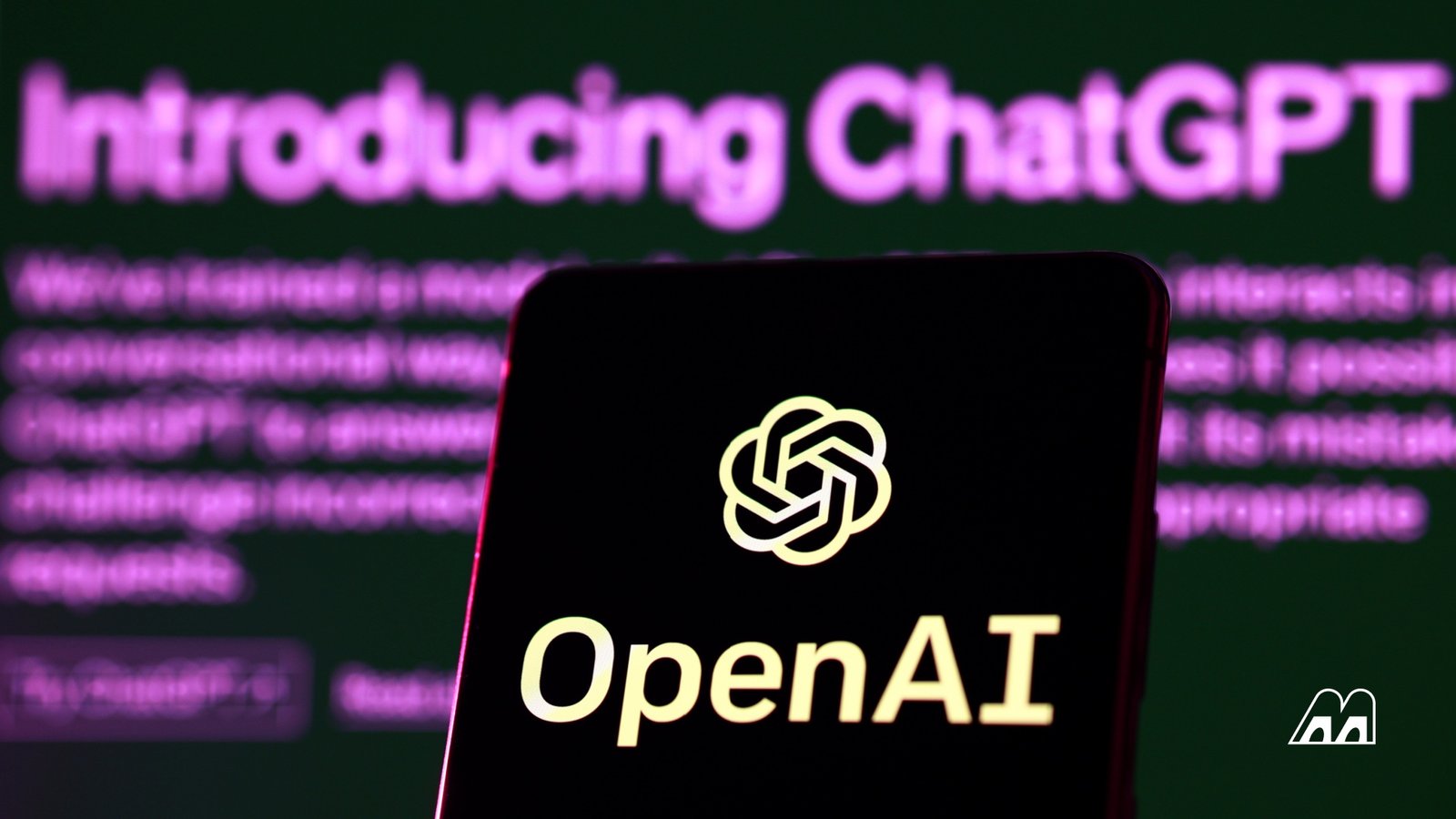
OpenAI is under pressure from the White House to delay the release of its next-generation AI model, tentatively referred to as GPT-5.6, amid growing concerns in Washington about the national security implications of increasingly capable artificial intelligence systems. The request, first reported by The Washington Post in early July 2026, marks the most direct intervention by the US government into the commercial AI development timeline to date.
According to sources familiar with the discussions, the White House Office of Science and Technology Policy (OSTP) has asked OpenAI to limit the model’s capabilities in several specific areas, including chemical and biological weapon design, cyberattack automation, and autonomous replication. The request comes as OpenAI was reportedly preparing to release GPT-5.6 — a model that internal benchmarks suggest scores in the 95th percentile on graduate-level reasoning tasks and demonstrates significant improvements in long-horizon planning.
“The government is not asking us to stop development,” said an OpenAI spokesperson in a brief statement. “We are engaged in a constructive dialogue about responsible deployment, which has always been part of our approach. Safety testing and red-teaming with external partners, including government agencies, is standard practice before any major release.”
The intervention has divided the AI policy community. Proponents argue that frontier AI models pose risks that warrant government oversight well before deployment, similar to how the FDA evaluates pharmaceuticals or the FAA certifies aircraft. Critics counter that the White House’s approach risks ceding AI leadership to China, where state-backed labs face no equivalent constraints and are racing to match — or exceed — American capabilities.
OpenAI’s GPT-5 family has been rolling out in stages throughout 2026. GPT-5 itself launched in March 2026 with significant improvements in reasoning and multimodal understanding. The “5.6” designation refers to a mid-cycle update that incorporates reinforcement learning from human feedback (RLHF) at unprecedented scale, along with tool-use capabilities that allow the model to interact with external software and APIs autonomously.
Sam Altman, OpenAI’s CEO, has publicly walked a careful line between acknowledging the risks of advanced AI and warning against regulatory overreach. In a June 2026 interview, Altman said: “If you believe, as I do, that AGI will be the most transformative technology in human history, then getting the governance right is the most important problem in the world. But getting it wrong — either by moving too fast or by strangling innovation — would be a historic mistake.” The outcome of the White House discussions is expected to shape not just OpenAI’s roadmap, but the regulatory framework for frontier AI models across the entire industry.
The Netherlands, for internationals
One email a week: the week's news for internationals in the Netherlands, new practical guides and what changed in the cities. No spam, unsubscribe any time.