Meta wants to write your kid’s bedtime story
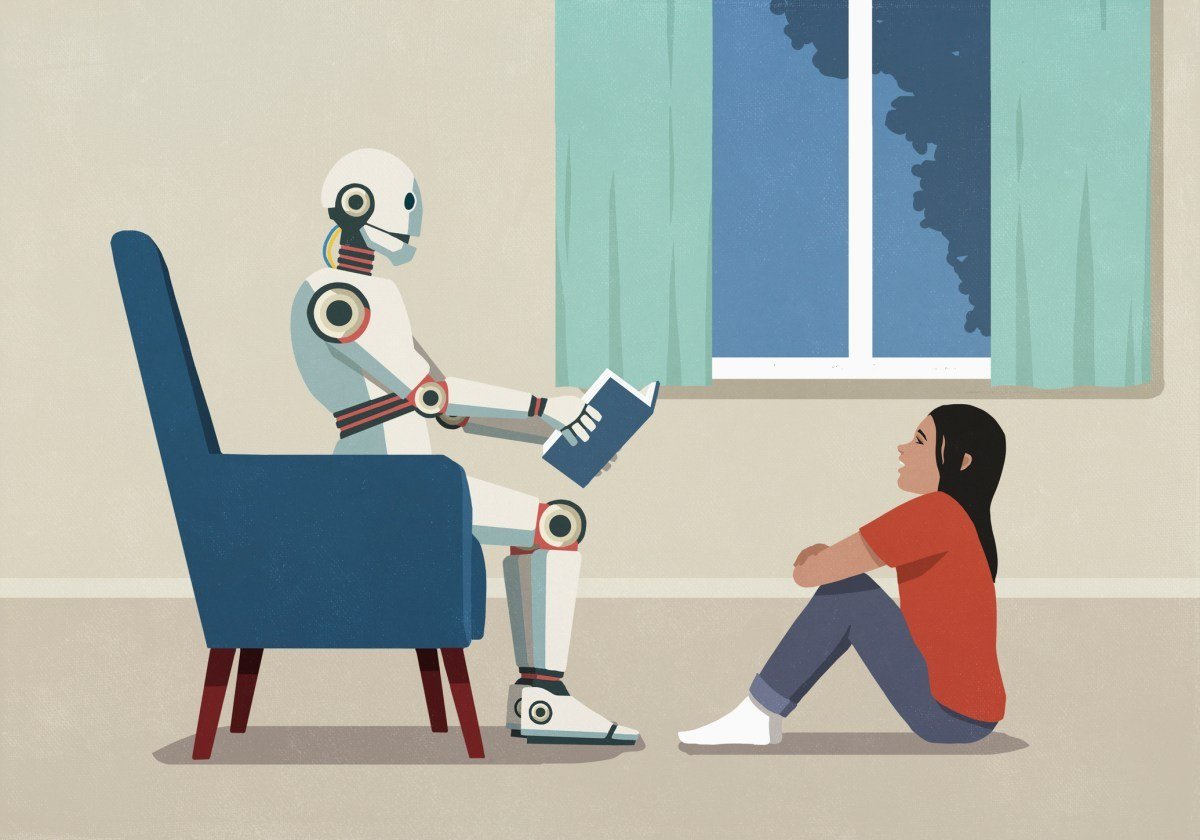
Somewhere in Menlo Park, a machine is learning to say “once upon a time.” Meta is quietly testing an app called StoryKit, an AI tool that spins bedtime stories for children, and the company is watching closely to see how parents react before deciding what to do with it. For now the app lives in only a handful of regions, a soft launch that lets Meta gauge the temperature before committing to a wider rollout.
TechCrunch’s headline landed the joke first, pitching StoryKit as an app “for people with no imagination.” It stings because it points at something real. Reading to a child at bedtime is one of the last low-tech rituals many families have left, a few minutes of a parent’s voice and a parent’s invention filling the space before sleep. Meta is betting that some parents would rather outsource the invention part to a model.
A small test with a large company behind it
The regional limits matter more than they look. Companies stage releases like this when they are unsure of the reception, and a children’s product carries reputational weight that a photo filter does not. By keeping StoryKit boxed into certain markets, Meta gets real feedback from real families without the scrutiny that a global launch would invite on day one. If parents recoil, the test quietly ends. If they lean in, the app graduates.
What Meta is measuring is reaction, not just usage. The summary is explicit that the point of the test is to see how parents respond. That framing tells you the open question here is not technical. Meta can generate a passable story about a brave rabbit or a lost star without breaking a sweat. The harder question is whether mothers and fathers want a generative model anywhere near the ritual they use to wind their children down, and whether they will trust what it produces.
Trust is the whole game with kids. Parents who happily let an algorithm pick their next show tend to get protective the moment a product aims itself at a five-year-old. They ask what the model was trained on. They ask what happens to the prompts their child inspires. They ask whether a story generator will drift somewhere strange at 8 p.m. on a Tuesday. Meta knows these questions are coming, which is part of why StoryKit is creeping into the world instead of arriving all at once.
Why Meta keeps aiming AI at everyday moments
StoryKit fits a pattern. Meta has spent the past few years threading generative AI through the ordinary corners of its products, from chat assistants to image tools to characters that talk back inside its apps. A bedtime story generator is the same strategy pointed at family life. Find a small human habit, insert a model, and see whether the habit survives the substitution. Bedtime is an appealing target precisely because it repeats every single night, which for a company means a reason to open the app on a reliable schedule.
There is a genuine case for the thing, and it deserves a fair hearing. A tired parent at the end of a brutal day might welcome a story that assembles itself in seconds around whatever their kid is obsessed with this week, whether that is dinosaurs, fire trucks, or a specific purple cat. A caregiver who does not share a first language with the child could use it to bridge a gap. Novelty on tap has obvious appeal when the alternative is reading the same picture book for the fortieth night running.
The counterargument is just as plain. The clumsiness of a parent making up a story on the spot is not a bug to be optimized away. It is the point. Kids notice when a grown-up is trying, and the wobble in a homemade tale carries something a polished generated one cannot. Hand that job to a model and you get smoother output and a thinner moment. Whether parents feel that trade in their gut is exactly what Meta’s regional test will reveal.
Watch what Meta does after the test window closes. If StoryKit expands to more countries, folds into the broader family of Meta AI features, or picks up voices and personalization, that signals the early reaction gave the company enough confidence to push. If it stays frozen in its handful of regions, read that as parents flinching. Either way, a business built on attention has decided the last quiet minutes of a child’s day are worth competing for, and that alone tells you where the frontier is heading.
For more coverage of Meta’s AI ambitions, visit Mylistingo.
Source: Original Article
The Netherlands, for internationals
One email a week: the week's news for internationals in the Netherlands, new practical guides and what changed in the cities. No spam, unsubscribe any time.