Swiping was supposed to be the future of romance. A decade and change later, the generation that grew up on it wants out. Gen Z’s 20-somethings have soured on swipe-based dating apps so completely that they’ll try nearly anything else, and a new crop of startups is betting the alternative they want is an algorithm that plays matchmaker instead of a deck of faces to flick through.
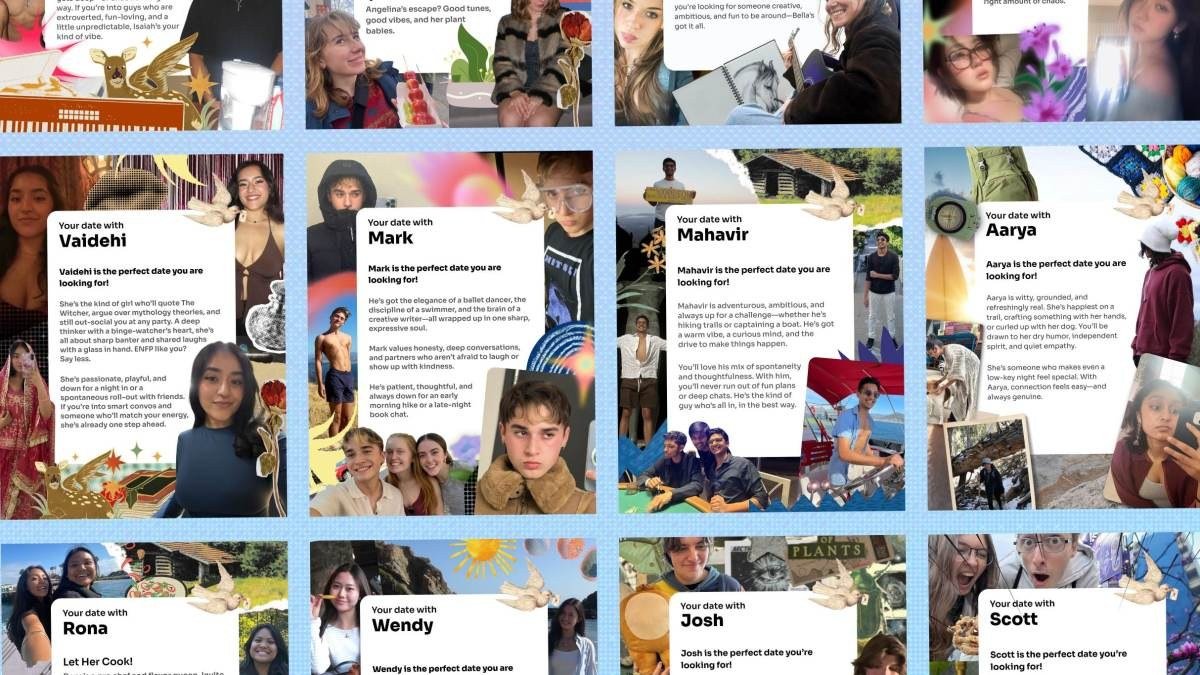
Ditto is one of the names leading that shift. The pitch is simple and pointed: kill the swipe, and let AI do the introducing. It’s a direct rebuke of the model that made Tinder, Bumble, and Hinge household names, and it lands at a moment when the people those apps were built for have stopped enjoying them.
Why a generation quit swiping
Fatigue is the operative word. The endless carousel of profiles that felt novel in 2014 now feels like a second job, one with unpaid hours and lousy returns. For a cohort in their twenties who have never known dating without an app, the disillusionment runs deeper than boredom. They’ve done the math on how much time swiping eats and how little it tends to give back, and they’ve concluded the format itself is the problem.
That’s a meaningful shift, because swiping was never just a feature. It was the whole business model. Reducing another person to a photo and a snap judgment kept users engaged and kept them coming back, which is exactly what made the mechanic so profitable and, eventually, so exhausting. When the core loop is the thing driving people away, tweaking it at the edges won’t save you. Ditto and its peers are wagering that the answer is to remove it entirely.
What AI matchmaking actually promises
Replace the swipe with a matchmaker, and the experience inverts. Instead of scrolling through strangers and hoping to spot a spark, you hand the work of finding compatible people to software that claims to understand what you’re actually looking for. The promise is fewer decisions, better ones, and a return to something dating apps quietly abandoned: the idea that a third party who knows both people might make a smarter introduction than raw volume ever could.
There’s a certain irony in fixing an app problem with more app. The generation burned out on algorithms is being asked to trust a different, more ambitious algorithm, one that doesn’t just rank profiles but interprets desire. Whether that feels like relief or like handing your love life to a chatbot depends a lot on execution. Get it right and the app disappears into the background, doing quiet work while you live your life. Get it wrong and you’ve swapped one form of digital exhaustion for another with a friendlier interface.
A market that’s finally in play
Incumbents have spent years defending the swipe because it worked, financially if not romantically. That defense looks shakier now. When your most valuable users describe your product as a chore, you’ve handed challengers an opening, and Ditto is one of several moving through it. The willingness Gen Z is showing to try “literally anything else,” as the mood around these apps has been described, is precisely the kind of restlessness that lets a newcomer peel users away from entrenched giants.
None of this guarantees AI matchmaking is the winning formula. It’s the current experiment, not a proven one, and dating is a graveyard of confident products that misread what people wanted from them. The apps that dominated the last era did so by making connection feel like a game. The pitch now is the opposite: make it feel less like a game and more like being introduced by someone who gets you. That’s a harder thing to build, and a much harder thing to fake.
What’s clear is that the swipe’s long reign is finally contested. A generation that once treated it as the default has started voting with its attention, and that attention is drifting toward whoever can make dating feel human again. The next year of this category will come down to a single test: can an AI matchmaker deliver connections good enough to be worth trusting? If it can, the swipe becomes a relic faster than anyone expected. If it can’t, Gen Z will move on to whatever comes after, because the one thing they’ve made obvious is that loyalty to the old way is gone.
Watch which of these apps earns repeat use rather than curious downloads. That’s the number that will tell you whether AI matchmaking is a real reset or just the latest thing to try before the next one.
For more coverage of AI and the future of dating apps, visit Mylistingo.
“`
Source: Original Article