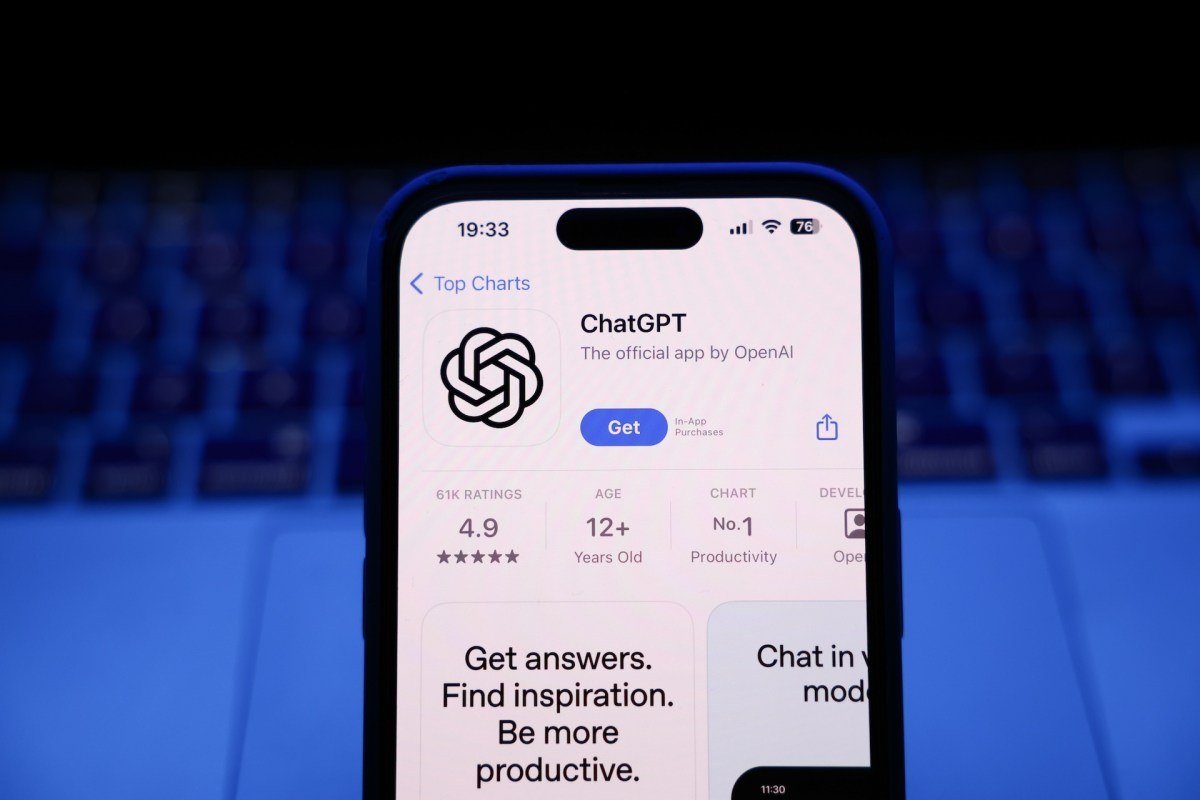
Free ChatGPT has always come with a ceiling. Send enough messages in a short window and the app would slow you down, nudge you toward a paid plan, or make you wait. On August 6, 2026, OpenAI knocked that ceiling out. The company said free and Go users can now hold unlimited text chats, removing one of the most visible reminders that they weren’t paying customers.
It’s a bigger shift than it sounds. For most people who use ChatGPT casually, the message cap was the single feature that separated the free experience from a subscription. Take it away and the line between “trying it out” and “using it every day” mostly disappears.
What actually changed
The headline is simple: text conversations are no longer rationed for free users or for people on the lower-cost Go tier. You can keep typing, keep asking follow-ups, and keep going without hitting the wall that used to appear mid-session. OpenAI framed the move as opening up the core product to the widest possible audience, and text chat is the part of ChatGPT that the widest audience actually touches.
Alongside that, free and Go users are getting a new think button aimed at complex queries. Rather than treating every prompt the same way, the button lets a user tell the model to slow down and work through a harder problem more deliberately. Ask it to plan a trip with a dozen constraints, untangle a piece of code, or reason through a math-heavy question, and the think option is meant to route that request toward more careful processing instead of a fast, surface-level reply.
Putting deliberate reasoning in front of non-paying users is the part worth watching. For a long stretch, the more capable “thinking” behavior sat behind a subscription. Handing a version of it to free and Go accounts changes what someone can expect before they ever enter a credit card.
Why OpenAI is giving away the ceiling
Generosity is rarely just generosity. OpenAI is competing for attention against Google’s Gemini, Anthropic’s Claude, and a growing field of free-to-use assistants, and the fastest way to lose a user is to interrupt them. A cap that stops you mid-thought is an invitation to open a competitor’s tab. Removing it keeps people inside ChatGPT, and the more time they spend there, the more the product becomes a habit rather than a novelty.
There’s a business logic underneath the goodwill. Free users are the top of the funnel. Give them a smoother experience and a taste of the smarter reasoning that used to be gated, and some fraction converts to paid plans when they hit a wall that still exists, like heavier usage limits on the most advanced models, image tools, or longer context. The Go tier sits right in that gap, a cheaper option for people who want a little more than free without paying for the full stack.
Scale also has a cost. Unlimited text chat for a user base this size is a real infrastructure commitment, and the fact that OpenAI feels able to make it says something about where the economics of running these models have landed. Text generation has gotten cheaper to serve than it was a couple of years ago, and the company is betting that the growth and loyalty it buys are worth more than the compute it spends.
The competitive squeeze
Every major assistant is now racing to make its free version good enough that you never leave. Google has folded Gemini into Search and Android, putting it in front of billions of people by default. Anthropic has pushed Claude’s free tier and its reasoning features. Against that backdrop, keeping a strict message cap on free ChatGPT started to look less like a business decision and more like a liability.
Free is quietly becoming the real battlefield. The paid tiers still matter for revenue, but the fight for who becomes the default assistant, the one people reach for without thinking, is being fought on what you can do without paying. OpenAI just raised the floor, and its rivals will feel pressure to answer.
The think button hints at where this goes next. Reasoning was the marquee upgrade of the last generation of models, the thing that separated a quick answer from a genuinely useful one. Sliding it toward free users suggests that “smart enough to actually help” is becoming table stakes rather than a premium perk.
Watch what OpenAI still holds back. Unlimited text is a clear line in the sand, but the company hasn’t erased the difference between free and paid, and the features it chooses to keep behind the paywall will tell you where it thinks the money still is. If the strongest reasoning, the newest models, and the richest tools stay gated while everyday chat goes free, that’s the shape of the strategy: get everyone in the door, then sell the upgrades that power users can’t live without.
For more coverage of OpenAI and ChatGPT, visit Mylistingo.
Source: Original Article