On Friday 18 September, the NOS current affairs programme Nieuwsuur covered growing concern in Europe that Russia may step up attacks on the countries that support Ukraine, including hybrid attacks aimed at critical infrastructure. The same broadcast looked at fears of a new military mobilisation during Russia’s parliamentary elections, and at a two-part film about Charles de Gaulle that has drawn large audiences in France and has now opened in Dutch cinemas.
What happened
NOS says there are growing worries about further escalation, and even about the possibility of a direct armed conflict with Russia. Two warnings drove the discussion. According to NOS, Polish Prime Minister Donald Tusk said Russia is preparing direct “hybrid” attacks on countries that support Ukraine. The Institute for the Study of War (ISW), a think tank, also warned that Russia is increasing its actions against critical infrastructure in Europe.
Nieuwsuur asked how the EU and NATO could respond. The guest for that segment was Kenneth Lasoen, a historian and security expert.
The second item dealt with Russia itself. NOS reported that Russians have three days to vote for the Duma, the national parliament, and that this is the first such election since the invasion of Ukraine. The broadcaster described the mood with empty debate studios, banned parties and a fear that men will be called up in large numbers. According to NOS, one subject dominates the election even though the campaign avoids it: persistent rumours of a new mobilisation once the vote is over. Nieuwsuur spoke in Armenia with Russians who were too afraid to wait and see, and who have already left their country. Russia expert Niels Drost of the Clingendael Institute joined the programme to discuss it.
The third item looked at France. NOS reported that more than seven million French people went to the cinema this year to see a two-part epic about General Charles de Gaulle, five hours long in total. The films tell a story of courage, resistance and sovereignty during the Second World War, and NOS says they have struck a chord with younger and older viewers alike at an uncertain time. In the Netherlands, the second part, “De Gaulle: Liberté”, has now premiered, following the first part, “De Gaulle: Résistance”.
Why it matters in the Netherlands
For internationals living in the Netherlands, the first item matters most. The Netherlands is one of the European countries supporting Ukraine, so any Russian campaign against Ukraine’s backers includes it by definition. Neither Tusk nor the ISW, as reported by NOS, named specific Dutch targets. Their warnings apply to Europe as a whole, and that makes them relevant here.
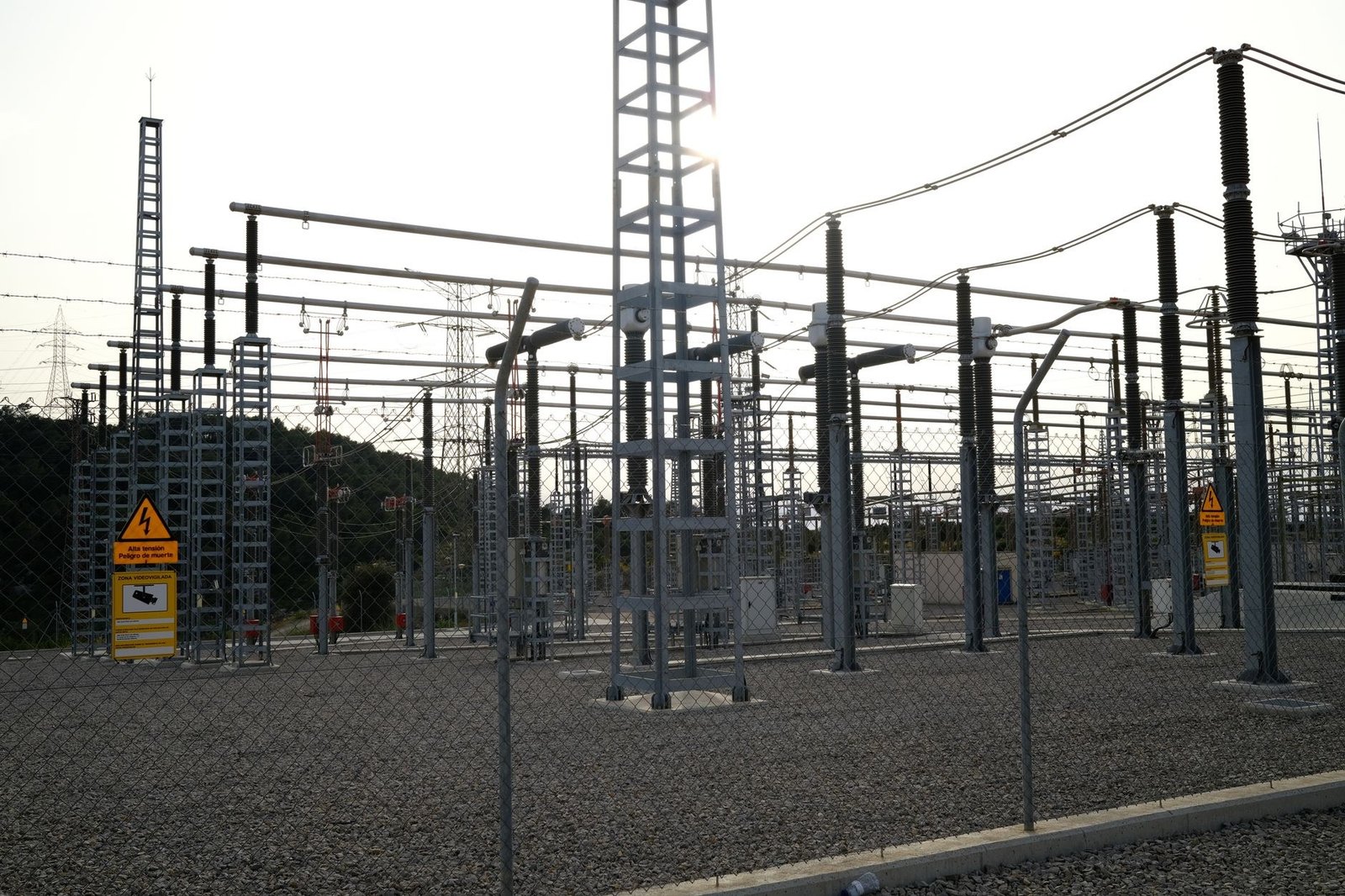
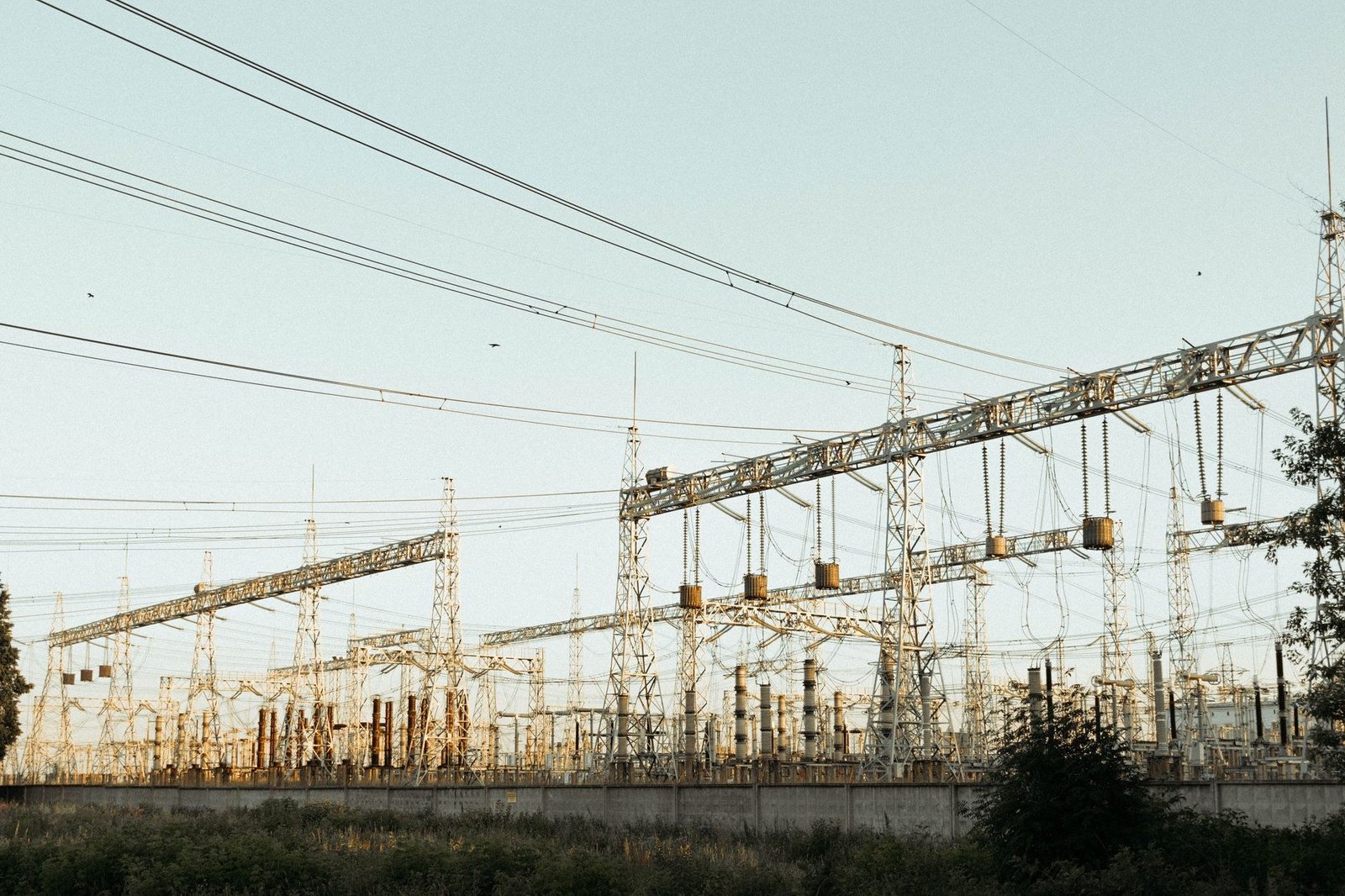
Hybrid attacks are hard to picture because they are designed to stay below the level of open war. Critical infrastructure usually means the systems a country cannot function without: power and gas networks, internet and telecom links, water supply, ports and transport. The Netherlands relies heavily on all of them. Its economy runs on logistics, much of daily life happens online, and banking, travel and public services increasingly assume a working digital connection.
In practice, disruption would most likely show up in ordinary ways rather than dramatic ones. A train service could be interrupted, a payment system could fail for a few hours, or false information could spread quickly on social media. NOS gave no figures on how often such incidents happen, and nothing in the report points to an immediate threat to people in the Netherlands. Still, sensible precautions cost little. Keep some cash at home, keep a charged power bank, and know where to find official information in English. Dutch authorities publish guidance on emergency preparedness, and following official channels rather than forwarded messages is the best protection against disinformation, which is itself a common hybrid tool.
The Russia segment has a human side too. Clingendael, whose expert appeared on the programme, is a Dutch institute, and Russian and Ukrainian communities live across the Netherlands. For Russians abroad, rumours of mobilisation can raise urgent worries about relatives at home and about their own legal position. NOS reported that people have already fled to Armenia. Anyone in the Netherlands affected by these questions should get advice on residence rules from official sources or qualified lawyers, not from rumours.
The De Gaulle films are a lighter story, but they fit the same theme. NOS links their success in France to uncertain times and to a story about sovereignty and resistance. For internationals, the Dutch release is an easy way into a European conversation that goes well beyond France: how countries see their own security and independence.
What to watch next
The Duma election results come first. NOS reported that rumours of mobilisation are expected to become real only after the vote, so any announcement from Moscow in the weeks after the election would be the clearest sign of where things are heading. A new call-up would probably mean more Russians trying to leave, with knock-on effects for neighbouring countries and possibly for asylum and migration debates in Europe.
Second, watch how the EU and NATO respond to the warnings Nieuwsuur discussed. The programme raised the question of what that response could be without giving an answer. Coordinated steps on protecting infrastructure, sharing intelligence or defence spending would all affect the Netherlands as a member of both.
Third, follow Dutch official communication. If the government changes its advice on preparedness or reports specific incidents involving Dutch infrastructure, that will matter far more for daily life than general warnings. Until then, the most useful response for internationals is to stay informed through reliable sources, prepare for short disruptions, and treat unverified alarming claims with caution.
Finally, for anyone who wants to understand the mood in Europe right now, “De Gaulle: Liberté” is showing in Dutch cinemas. It is a five-hour story in total, and according to NOS, millions in France have found that it speaks to the present as much as to the past.
Source: NOS
Sources
- NOS: 18/9 in Nieuwsuur: Direct conflict met Rusland? • Russen bang voor mobilisatie • Frankrijk in de ban van De Gaulle, accessed 24 September 2026