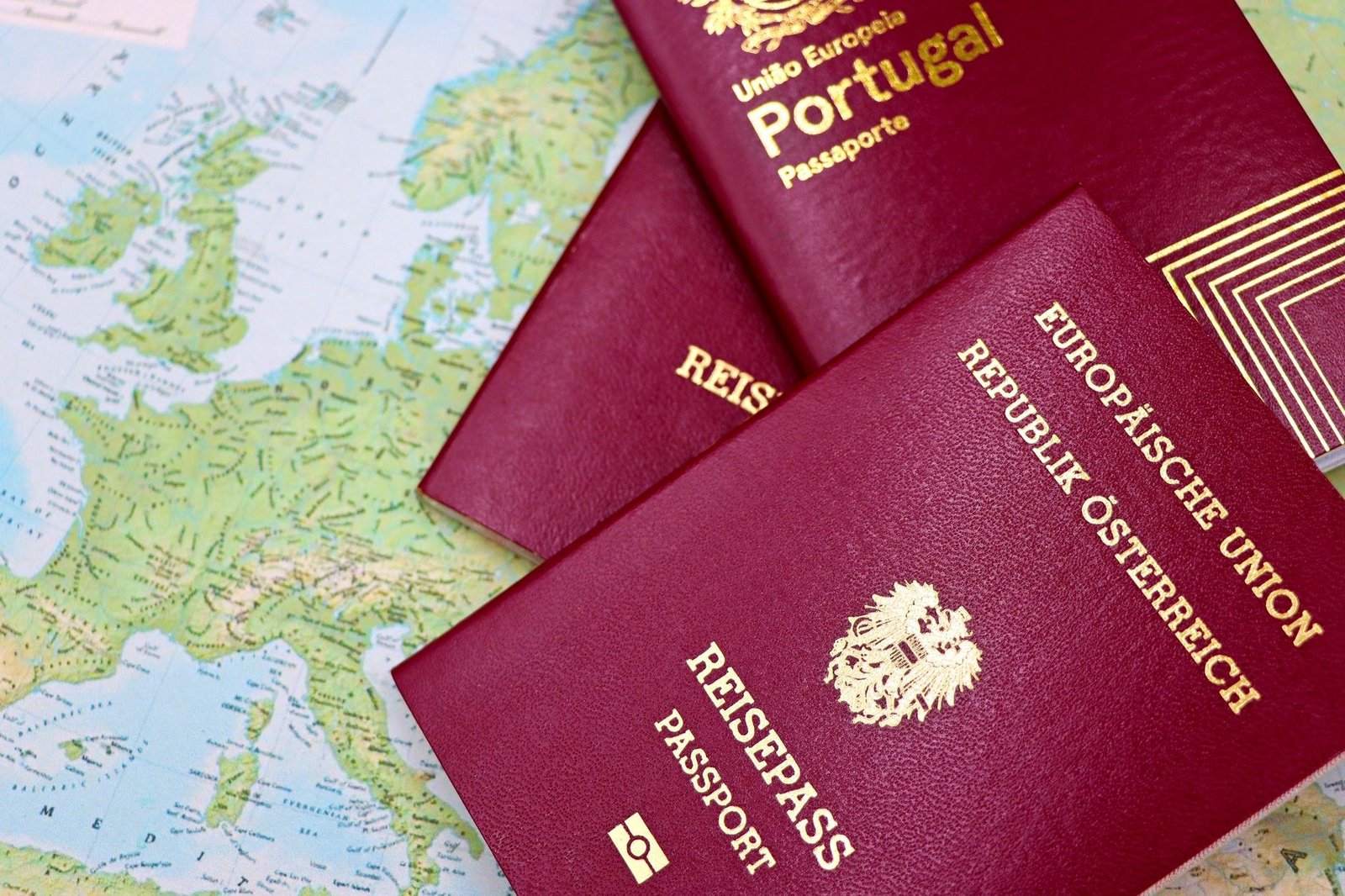
The Local Germany has published a guide to which nationalities can enter Germany without a visa, and which of them can then switch to a longer-term residence permit without leaving the country. Only citizens of eight non-European countries can make that switch from inside Germany; most other visa-free visitors must return home to apply.
What happened
According to The Local, two groups of people can enter Germany freely without first getting a visa. The first is EU, EEA and Swiss citizens. EU freedom of movement law gives them the right to enter, live, work and study in Germany without a visa or residence permit. The 90-day limit that applies to other visitors to the Schengen Area does not apply to them.
The second group is citizens of the countries listed in Annex II of the EU Visa Regulations. They can enter Germany and the wider Schengen Area without a visa for stays of no more than 90 days in any 180-day period. The list includes Albania, Andorra, Antigua and Barbuda, Argentina, Australia, Bahamas, Barbados, Bosnia and Herzegovina, Brazil, Brunei, Canada, Chile, Colombia, Costa Rica, Dominica, El Salvador, Georgia, Grenada, Guatemala, Honduras, Hong Kong SAR, Israel, Japan, Kiribati, Macau SAR, Malaysia, Marshall Islands, Mauritius, Mexico, Micronesia, Moldova, Monaco, Montenegro, New Zealand, Nicaragua, North Macedonia, Palau, Panama, Paraguay, Peru, Samoa, San Marino, Serbia, Seychelles, Singapore, Solomon Islands, South Korea, St. Kitts and Nevis, St. Lucia, St. Vincent and the Grenadines, Taiwan, Timor-Leste, Tonga, Trinidad and Tobago, Tuvalu, Ukraine, the United Arab Emirates, the United Kingdom, the United States, Uruguay, Vanuatu, Vatican City and Venezuela.
Nationals of all other countries need a visa before they travel. For a short stay this is a Schengen visa, known as type C. For longer stays, or to work or study, it is a German residence permit or national visa, known as type D.
What it means for you
The Local stresses that visa-free entry for a short stay does not automatically let you stay longer. In most cases, you must apply for a long-term national visa from your home country through a German embassy or consulate. This covers the EU Blue Card, the skilled worker permit, the student residence permit and the family reunification permit. The publication gives the example of an Argentinian citizen who enters Germany visa-free and then decides to study. That person would need to go home and apply for a student permit through the local German mission.
The exception covers citizens of eight countries:
- Australia
- Canada
- Israel
- Japan
- New Zealand
- South Korea
- the United Kingdom
- the United States
Nationals of these countries can generally enter visa-free and then apply for a long-term residence permit at the Ausländerbehörde, the local immigration office, while they are in Germany.
If you qualify for visa-free entry, you must at least carry your passport. The Local says it should be valid for your whole stay, ideally with at least three months’ validity beyond the date you plan to leave. Border officers may also ask for proof of why you are visiting. That could be a conference registration or an invitation letter for a business trip, or proof of the relationship for a family visit. They can also ask for proof of enough money for your stay, details of your accommodation, travel health insurance and an onward ticket. Visitors are expected to show these if asked.
If you need a visa, or you applied for a type D visa at home, bring the visa or the related paperwork as well as a valid passport.
What to watch next
The European Travel Authorisation and Information System (ETIAS) is an online pre-travel screening linked to your passport. The Local says it does not change the entry rules above. It adds an authorisation step that must be completed online before departure, and airlines will have to check it before letting passengers board. Related coverage from The Local describes ETIAS as a €20 scheme. Its launch has been postponed several times and is now expected by April 2027. If you are travelling to Germany from then on, plan for an ETIAS application whatever your visa or exemption status.
The Local also reports in related coverage that the EU has agreed to launch a digital-only process for Schengen visa applications. If you will need a type C visa, keep an eye on that change.
Source: The Local Germany
Sources
- The Local Germany: LISTED: The nationalities that can enter Germany freely for travel, study or work, accessed 12 October 2026
Germany, for internationals
One email a week: the week's news for internationals in Germany, new practical guides and what changed in the cities. No spam, unsubscribe any time.