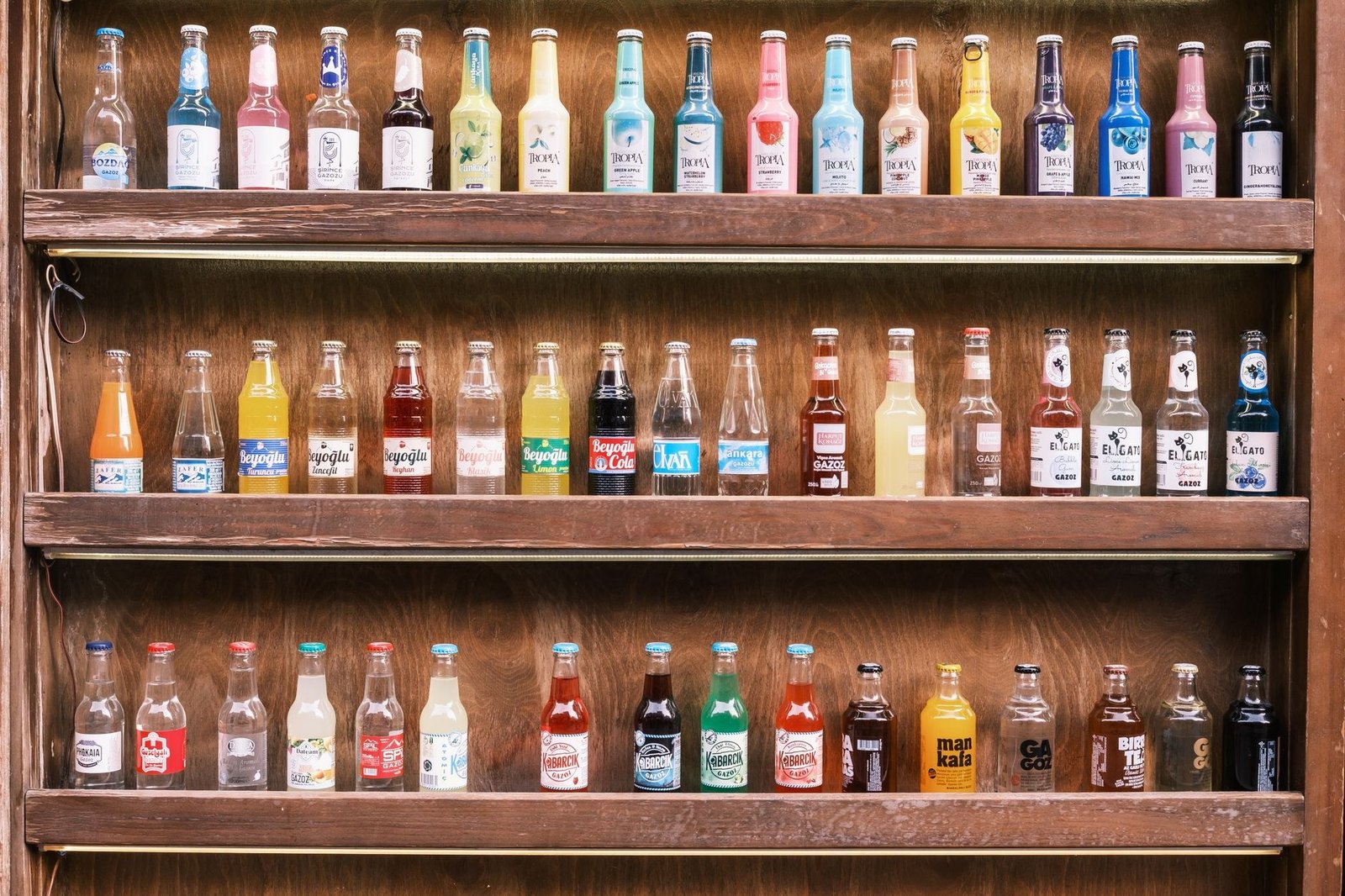
Germany’s Federal Cabinet, the Bundeskabinett, on Wednesday approved a draft law for a new tax on sugary soft drinks that could make some juices, sodas and other sweetened drinks more expensive from mid-2027. According to The Local Germany, the plan still has to pass the Bundestag, the federal parliament, before it becomes law.
What happened
The Local Germany reports that the Cabinet agreed to the proposal after weeks of public disagreement within the governing coalition. The Bundeskanzleramt, the Chancellor’s Office, stepped in at the last minute. Finance Minister Lars Klingbeil has led the push for the levy.
Under the compromise there are two tax bands:
- Drinks containing at least five grams of sugar per 100 millilitres would be taxed at 26 cents per litre.
- Drinks containing eight grams or more per 100 millilitres would be taxed at 32 cents per litre.
Manufacturers, not shops or consumers, would pay the tax. Each manufacturer can decide whether to pass some or all of it on to customers or to reduce the sugar in its products. Smaller manufacturers producing less than one million litres of sugary drinks per year would be exempt.
According to The Local Germany, the levy has two aims. The first is public health: Klingbeil argues that higher prices will push manufacturers to cut sugar and help reduce excessive sugar consumption, particularly among children. The second is money. The federal government expects revenue of around €690 million in 2027, rising to €925 million in 2028. That money is meant to help keep contributions for statutory health insurance, the gesetzliche Krankenversicherung, stable.
The tax is reportedly modelled on the United Kingdom’s sugar levy, which has been in force since 2018. The Local Germany reports that the British system, which taxes sugarier drinks more heavily, led many manufacturers to change their recipes. As a result, the sugar content of British soft drinks fell by around one‑third on average, and in some cases by as much as 50 percent.
Getting to this point was difficult. A leaked Finance Ministry draft had suggested the tax could cover oat milk, ready-made coffee drinks and even drinks with artificial sweeteners. That idea met an immediate backlash, most loudly from politicians of the conservative Union parties and from agriculture ministers in Union-led states. Earlier this month the Chancellor’s Office effectively halted Klingbeil’s plans, saying they differed from the recommendations of the government’s Health Finance Commission and would struggle to win enough support. The final dispute centred on the structure and level of the tax. Ministers dropped a proposed higher band and went back to a simpler two-tier model.
What it means for you
If you buy soft drinks, juices or other sweetened drinks in Germany, some of them may cost more from mid-2027, provided parliament passes the law. Whether shelf prices actually rise depends on each manufacturer, as the tax is charged to producers and they decide how much to pass on.
The Local Germany’s report suggests three things to keep in mind:
- Check the label. The bands depend on sugar per 100 millilitres. Drinks under five grams would not be taxed, and drinks at eight grams or more would face the higher rate.
- Look for recipe changes. If Germany follows the British pattern, some brands may cut sugar to move into a lower band or out of the tax altogether.
- Know what is not included. The leaked plan to cover oat milk, ready-made coffee drinks and sweetener-based drinks met strong opposition. The final compromise focuses on sugary drinks in two bands. The Local Germany does not list every product category that is covered.
If you have statutory health insurance, the revenue is intended to help keep your contributions stable. The source does not say how much difference this would make to individual premiums.
What to watch next
The draft law now goes to the Bundestag. The Local Germany says it cannot take effect until parliament has approved it, so the bands, rates and start date could still change during that process.
The lobbying row is also worth following. The consumer group Foodwatch and Green health politician Johannes Wagner have suggested that opposition within the Union was strengthened by pressure from the food industry and what they called the “sugar lobby”. Given how hard the coalition fought over this compromise, more argument is likely once MPs start debating the bill.
Source: The Local Germany
Sources
- The Local Germany: Germany’s sugar tax passed by cabinet after last-minute agreement, accessed 14 October 2026
Germany, for internationals
One email a week: the week's news for internationals in Germany, new practical guides and what changed in the cities. No spam, unsubscribe any time.