


AI News
  • Home
  • News
  • Berlin
  • Munich
  • Leipzig
  • Frankfurt
  • Moving to Germany
  • Country: Germany
    • Netherlands
    • United Kingdom
    • Germany
    • France
    • Spain
    • All countries
  • English
  • العربية
  • Deutsch
No Result
View All Result
AI News
  • Home
  • News
  • Berlin
  • Munich
  • Leipzig
  • Frankfurt
  • Moving to Germany
  • Country: Germany
    • Netherlands
    • United Kingdom
    • Germany
    • France
    • Spain
    • All countries
  • English
  • العربية
  • Deutsch
No Result
View All Result
AI News
No Result
View All Result

Germany’s cabinet approves sugar tax on soft drinks: what to know

Ramo by Ramo
20 October 2026
in Germany News
0
Germany's cabinet approves sugar tax on soft drinks: what to know
0
SHARES
9
VIEWS
Summarize with ChatGPTShare to Facebook

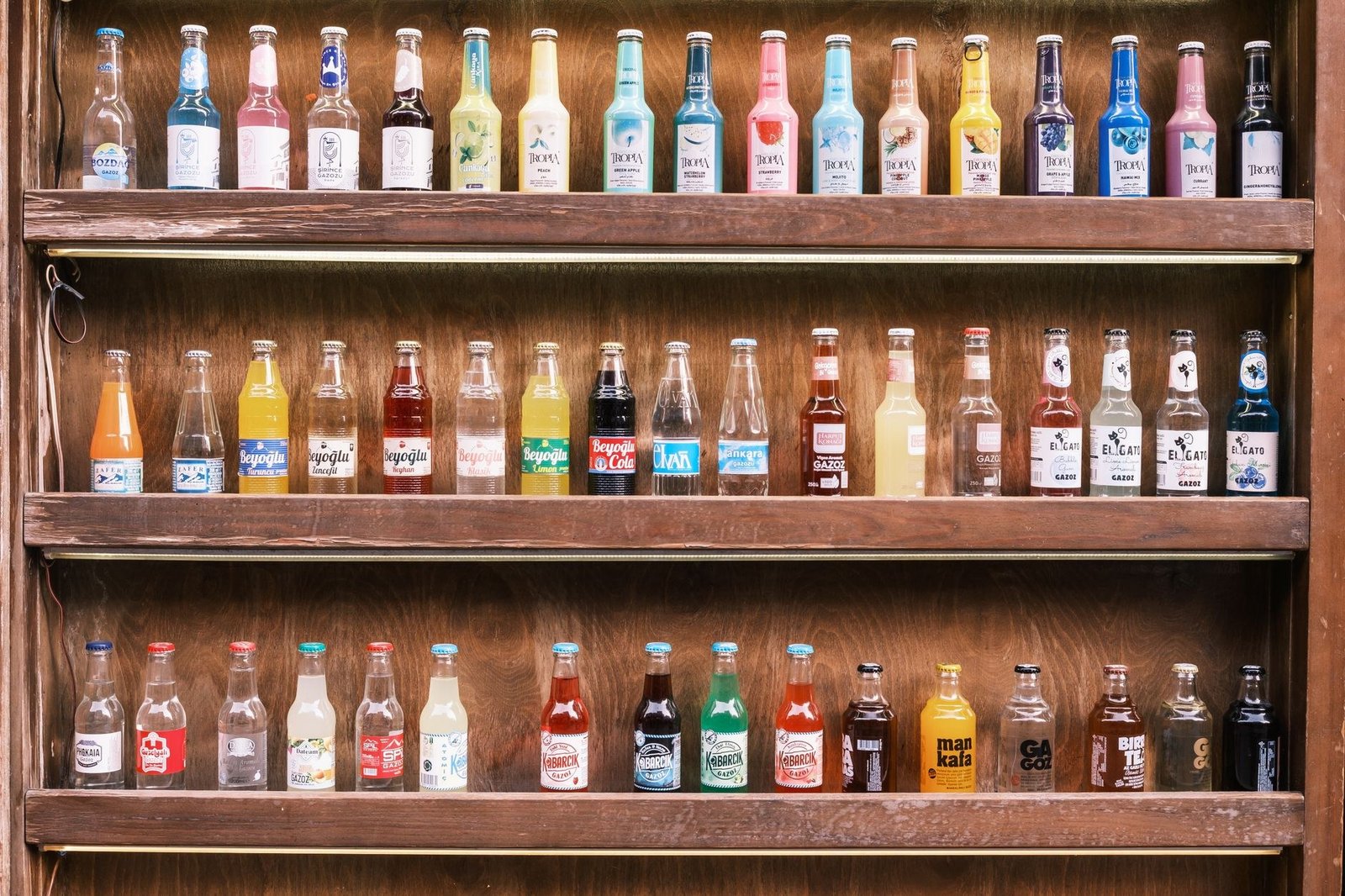
Germany’s Federal Cabinet, the Bundeskabinett, on Wednesday approved a draft law for a new tax on sugary soft drinks that could make some juices, sodas and other sweetened drinks more expensive from mid-2027. According to The Local Germany, the plan still has to pass the Bundestag, the federal parliament, before it becomes law.

What happened

The Local Germany reports that the Cabinet agreed to the proposal after weeks of public disagreement within the governing coalition. The Bundeskanzleramt, the Chancellor’s Office, stepped in at the last minute. Finance Minister Lars Klingbeil has led the push for the levy.

Under the compromise there are two tax bands:

  • Drinks containing at least five grams of sugar per 100 millilitres would be taxed at 26 cents per litre.
  • Drinks containing eight grams or more per 100 millilitres would be taxed at 32 cents per litre.

Manufacturers, not shops or consumers, would pay the tax. Each manufacturer can decide whether to pass some or all of it on to customers or to reduce the sugar in its products. Smaller manufacturers producing less than one million litres of sugary drinks per year would be exempt.

According to The Local Germany, the levy has two aims. The first is public health: Klingbeil argues that higher prices will push manufacturers to cut sugar and help reduce excessive sugar consumption, particularly among children. The second is money. The federal government expects revenue of around €690 million in 2027, rising to €925 million in 2028. That money is meant to help keep contributions for statutory health insurance, the gesetzliche Krankenversicherung, stable.

The tax is reportedly modelled on the United Kingdom’s sugar levy, which has been in force since 2018. The Local Germany reports that the British system, which taxes sugarier drinks more heavily, led many manufacturers to change their recipes. As a result, the sugar content of British soft drinks fell by around one‑third on average, and in some cases by as much as 50 percent.

Advertisement

Getting to this point was difficult. A leaked Finance Ministry draft had suggested the tax could cover oat milk, ready-made coffee drinks and even drinks with artificial sweeteners. That idea met an immediate backlash, most loudly from politicians of the conservative Union parties and from agriculture ministers in Union-led states. Earlier this month the Chancellor’s Office effectively halted Klingbeil’s plans, saying they differed from the recommendations of the government’s Health Finance Commission and would struggle to win enough support. The final dispute centred on the structure and level of the tax. Ministers dropped a proposed higher band and went back to a simpler two-tier model.

What it means for you

If you buy soft drinks, juices or other sweetened drinks in Germany, some of them may cost more from mid-2027, provided parliament passes the law. Whether shelf prices actually rise depends on each manufacturer, as the tax is charged to producers and they decide how much to pass on.

The Local Germany’s report suggests three things to keep in mind:

  • Check the label. The bands depend on sugar per 100 millilitres. Drinks under five grams would not be taxed, and drinks at eight grams or more would face the higher rate.
  • Look for recipe changes. If Germany follows the British pattern, some brands may cut sugar to move into a lower band or out of the tax altogether.
  • Know what is not included. The leaked plan to cover oat milk, ready-made coffee drinks and sweetener-based drinks met strong opposition. The final compromise focuses on sugary drinks in two bands. The Local Germany does not list every product category that is covered.

If you have statutory health insurance, the revenue is intended to help keep your contributions stable. The source does not say how much difference this would make to individual premiums.

What to watch next

The draft law now goes to the Bundestag. The Local Germany says it cannot take effect until parliament has approved it, so the bands, rates and start date could still change during that process.

The lobbying row is also worth following. The consumer group Foodwatch and Green health politician Johannes Wagner have suggested that opposition within the Union was strengthened by pressure from the food industry and what they called the “sugar lobby”. Given how hard the coalition fought over this compromise, more argument is likely once MPs start debating the bill.

Source: The Local Germany

Advertisement

Sources

  • The Local Germany: Germany’s sugar tax passed by cabinet after last-minute agreement, accessed 14 October 2026 (archived copy)

Germany, for internationals

One email a week: the week's news for internationals in Germany, new practical guides and what changed in the cities. No spam, unsubscribe any time.
SummarizeShare
Ramo

Ramo

Ramo is the editor of Mylistingo, which publishes daily local news and practical guides for internationals living in the Netherlands, the United Kingdom, Germany, France and Spain, in English, Arabic and local languages. Every article links to the sources it is based on.

Related Stories

A suspension footbridge with people walking across spans a river, with a cylindrical glass tower and large hotel buildings beyond under blue sky.

Frankfurt housing benefit applications now processed a month faster

by Ramo
11 November 2026
2

Frankfurt's housing benefit office now takes about 3.4 months per application, down from 4.5, but the city won't yet credit its AI tool.

Low-angle view of a tall skyscraper with a curved facade rising against cloudy skies, framed by dark concrete university buildings in the foreground.

Leipzig approves new scheme to help people struggling to find a home

by Ramo
11 November 2026
2

Leipzig's council has approved a 100,000-euro scheme of rent guarantees and landlord deals to house people shut out of the market.

The white Renaissance facade of a church with statues in niches stands beside a brick tower with a green onion dome, under a blue sky.

Germany Today: 11 November 2026

by Ramo
11 November 2026
2

7 stories from across Germany on 11 November 2026, summarised in English for internationals.

View over Tiergarten trees and a long avenue leading to the Brandenburg Gate, with the TV tower, cathedral dome and city skyline under cloudy skies.

Rewe launches grocery delivery in under an hour in Berlin

by Ramo
10 November 2026
1

Rewe now delivers groceries in Berlin in under an hour via Uber Eats, Wolt and Lieferando, starting with twelve shops and more to follow.

Next Post
Martínez criticises Wilcox as Manchester United frustration grows

Martínez criticises Wilcox as Manchester United frustration grows

Leave a Reply Cancel reply

Your email address will not be published. Required fields are marked *

Germany, for internationals

One email a week: the week's news for internationals in Germany, new practical guides and what changed in the cities. No spam, unsubscribe any time.
Web hosting
Build your website on Hostinger with 20% off your first purchase
Web hosting, VPS servers and an AI website builder. The 20% discount applies through this link.
Get 20% off
Sponsored · Advertise

Popular Story

  • Frankfurt youth protest on 31 October: route, timing and police plans

    Frankfurt youth protest on 31 October: route, timing and police plans

    0 shares
    Share 0 Tweet 0
  • Munich: Max-Weber-Platz works disrupt U4 and U5 until 27 November

    0 shares
    Share 0 Tweet 0
  • The Rundfunkbeitrag: Germany’s Broadcasting Fee

    0 shares
    Share 0 Tweet 0
  • Statutory insurers call for fairer doctor appointments in Germany

    0 shares
    Share 0 Tweet 0
  • Deutsche Bahn scales back plans to cut Munich to Augsburg trains

    0 shares
    Share 0 Tweet 0
logo ainews

Mylistingo: daily news and practical guides for internationals in Germany, in English.

Recent Posts

  • Anthropic Brings Claude Into Meetings, Spreadsheets and Whiteboards
  • Adobe Max 2026 Sneaks Let You Interview AI Characters and Step Inside Photos
  • United Blocks AI Agents From Booking Flights Over Privacy and Safety Rules

Categories

  • AI & Tech
  • AI & Tech in the Netherlands
  • AI in Business
  • AI in Climate
  • AI in Education
  • AI in Finance
  • AI in Health
  • AI in Law
  • AI in Sport
  • Berlin
  • Economy & Finance
  • Frankfurt
  • Future Tech
  • Germany News
  • Leipzig
  • Machine Learning
  • Moving to Germany
  • Munich
  • Politics & Geopolitics
  • Robotics
  • Social Topics
  • Sport
  • Startups
  • Tools & Apps
  • Uncategorized
  • Weekend Reads

The Hague, for internationals

One email a week: what changed for expats, what's on, one guide worth reading.

  • Home
  • Advertise
  • Latest News
  • Contact Us
  • Data Deletion Instructions
  • Privacy Policy
  • Editorial Policy

  • English
  • العربية
  • Deutsch
No Result
View All Result
  • Home
  • News
  • Berlin
  • Munich
  • Leipzig
  • Frankfurt
  • Moving to Germany
  • Country: Germany
    • Netherlands
    • United Kingdom
    • Germany
    • France
    • Spain
    • All countries