Alphabet announced this week it would raise $80 billion through a stock offering dedicated to AI infrastructure. The money will fund compute capacity, data center construction, and global expansion of the systems that power its AI services. That is a large number. It is not the largest ambition on the table right now.
The biggest tech show on record
COMPUTEX 2026 opened in Taipei with 1,500 technology companies from 33 countries filling 6,000 exhibition booths, making it the largest in the event’s history. The dominant theme was not consumer gadgets or gaming hardware. It was AI infrastructure: chips, cooling systems, networking gear, and silicon designed to run the next generation of large-scale models.
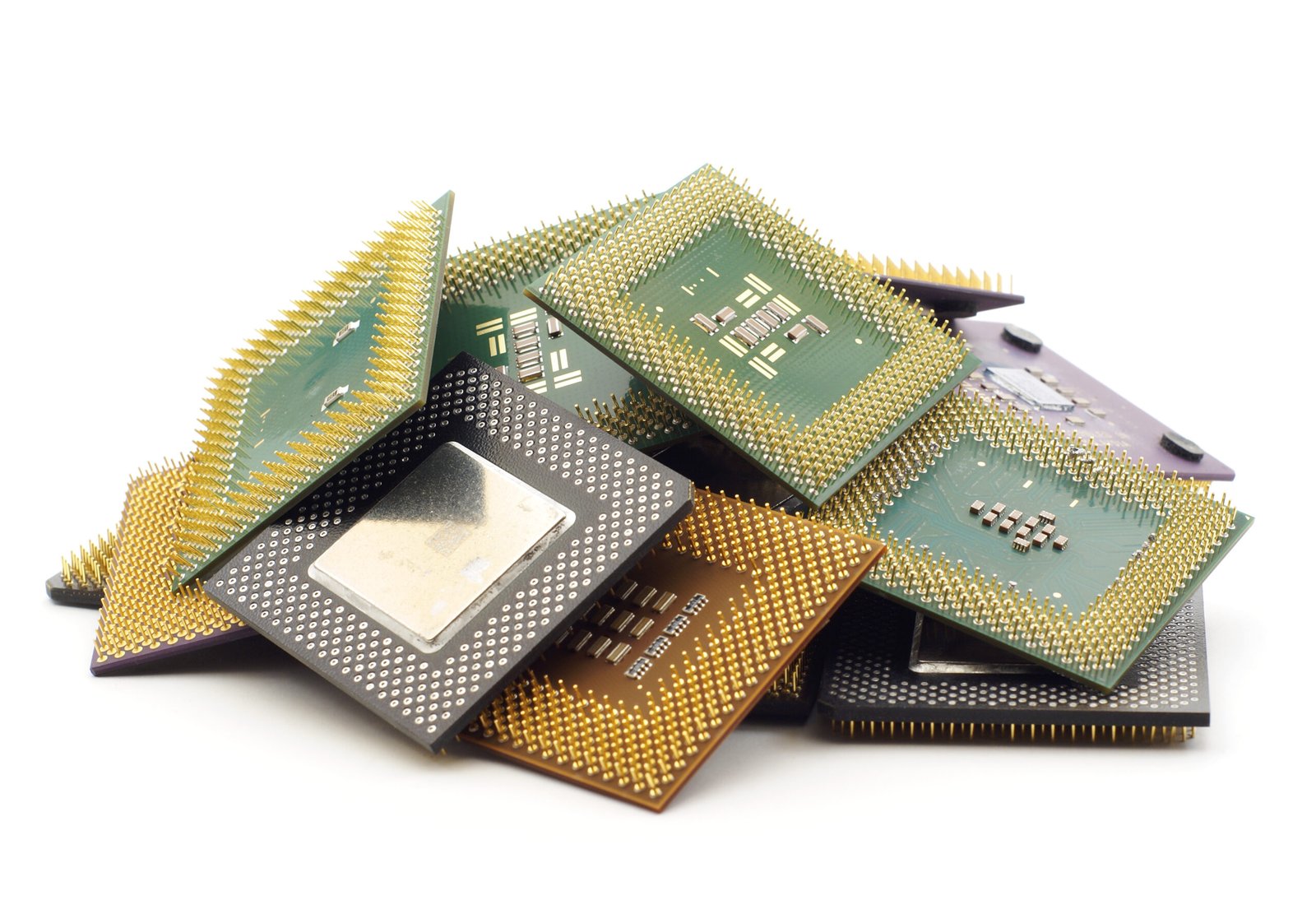
Nvidia used the stage to unveil the RTX Spark Superchip, a move that signals the company’s ambitions extend well beyond its data center GPU business. The Spark combines Blackwell RTX graphics with Grace CPU technology, targeting laptops and mini-PCs. For a company that built its current dominance on server-grade AI hardware, the Spark is a direct bet that demand for local AI processing is real and growing fast enough to compete with traditional laptop chip makers.
Apple and the Siri question
Apple’s WWDC on June 8 delivered the year’s most closely watched software keynote. The company announced an upgraded Siri AI, built on Apple Intelligence and powered partly through a partnership with Google. For a company that has historically kept its software stack tightly proprietary, collaborating with Google on AI infrastructure is a notable shift in posture.
The upgraded Siri positions Apple’s on-device assistant as a genuine competitor to ChatGPT’s mobile presence and Google’s Gemini. Whether the partnership changes how users actually experience the assistant on their iPhones will become clearer once the software ships more broadly later this year. What is already clear is that Apple has decided it cannot build everything it needs on its own.
Space meets compute
SpaceX’s expected IPO, with a valuation in the range of $1.78 trillion, contains something that would have seemed like science fiction five years ago: orbital AI data centers. The company is pitching investors on a future where compute infrastructure is distributed across space-based platforms, tied to Elon Musk’s xAI ambitions.
The filing includes an unusual risk disclosure. SpaceX warned investors that water scarcity is becoming a critical constraint for operating large-scale AI infrastructure. Droughts, local competition for water resources, and regulatory restrictions on water use could threaten the company’s ability to expand its data centers. It is a frank acknowledgment that AI’s appetite for cooling water is beginning to collide with climate realities in ways the industry is only starting to account for.
Anthropic is also reportedly moving toward a public offering, adding another major AI company to the queue of expected near-term IPOs. The capital flowing into AI infrastructure right now is building a new layer of global technology as significant as the cloud computing buildout of the 2010s.
Quantum error correction takes a real-world test
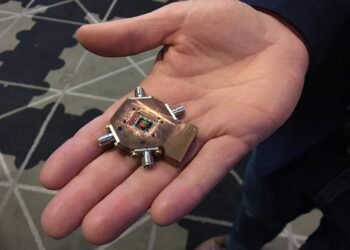
Not everything this week was about billion-dollar bets. Quantum X Labs announced a partnership with the Israeli Quantum Computing Center to test its AI-based quantum error-correction technology on actual quantum hardware. Error correction is the central unsolved problem of practical quantum computing. Quantum systems make errors at rates that currently make them unreliable for most real-world computations, and AI-assisted correction could change that calculus. Working tests on real hardware, however, are still a long way from commercial deployment.
The open question hanging over all of this infrastructure spending is whether the applications being built on top of it will generate returns that justify the scale of the investment. Alphabet, Nvidia, Apple, and SpaceX are all making different bets on which layer of the stack will matter most. The next few years will produce a definitive answer. For more coverage of emerging technology, visit Mylistingo.
The Netherlands, for internationals
One email a week: the week's news for internationals in the Netherlands, new practical guides and what changed in the cities. No spam, unsubscribe any time.