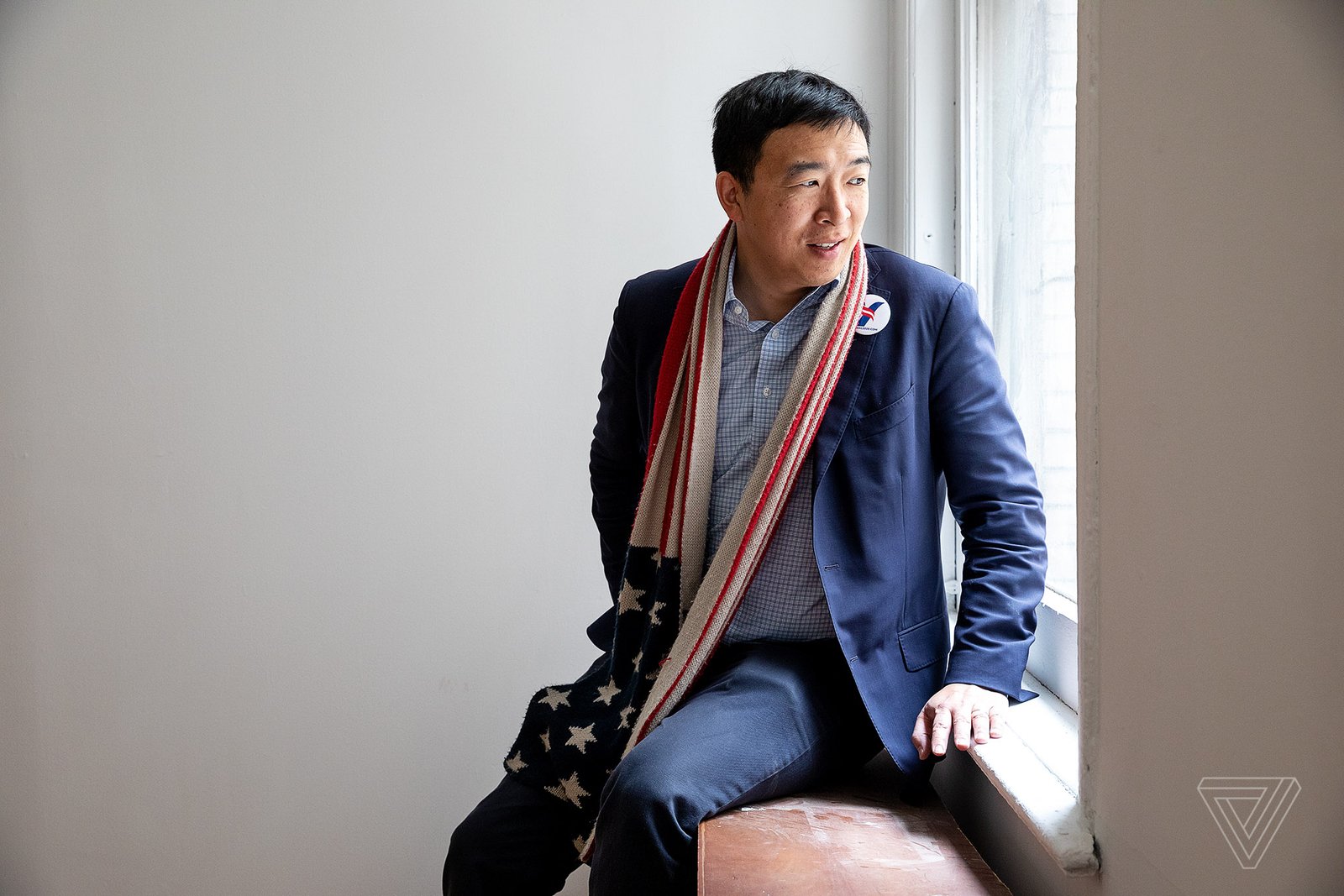
Former presidential candidate and entrepreneur Andrew Yang has a bold prediction for the next wave of billion-dollar startups: they won’t be chasing the latest AI trend or building the next social media platform. Instead, they’ll be tackling something far more fundamental – making life affordable again for ordinary Americans.
Yang, who gained national attention with his 2020 presidential run and universal basic income proposals, has been quietly analyzing where Americans are getting financially squeezed the hardest. His conclusion? Nearly everything we pay for regularly is overpriced, creating massive opportunities for disruptive startups willing to challenge entrenched industries.
The Great American Markup
Yang’s analysis reads like a consumer nightmare checklist. Housing costs have skyrocketed beyond what most families can reasonably afford. Wireless bills remain stubbornly high despite technological advances that should drive prices down. Grocery bills continue climbing while food quality often declines. Healthcare, education, childcare – the list of overpriced essentials seems endless.
“We’re living through the greatest wealth transfer from consumers to corporations in modern history,” Yang argues. “But that also means there’s never been a bigger opportunity for entrepreneurs who want to give that money back to people.”
The numbers support his thesis. American households spend disproportionately more on basic necessities compared to previous generations, leaving less discretionary income for savings, investment, or economic mobility. What Yang sees as corporate greed, he also views as market inefficiency ripe for disruption.
Beyond the Gig Economy Band-Aid
Unlike previous startup booms focused on convenience or entertainment, Yang believes the next generation of successful companies will directly attack cost-of-living pressures. This isn’t about making it easier to order takeout or stream videos – it’s about fundamentally restructuring how Americans access basic needs.
Some early examples are already emerging. Companies are experimenting with cooperative housing models that slash rent costs. Others are building direct-to-consumer supply chains that bypass traditional retail markups. Alternative wireless providers are offering identical coverage at fraction of the cost by avoiding expensive marketing and retail footprints.
The key insight, according to Yang, is that many industries have become comfortable with high margins precisely because consumers felt trapped. But technology now enables new business models that can profitably serve customers at much lower price points.
The Technology Advantage
What makes this disruption possible now, Yang argues, is the convergence of several technological trends. Cloud computing has dramatically reduced startup costs. Mobile payments enable new financial models. Data analytics help optimize operations for maximum efficiency. Even AI tools are making it easier for small teams to compete with established players.
Platforms like zimbabox.com demonstrate how technology can streamline traditionally expensive services, offering consumers better value through smarter operations rather than just fancier features.
Yang points to successful examples like Costco’s membership model, which aligns the company’s profits with customer savings rather than markup maximization. He believes similar alignment principles, enhanced by modern technology, could transform industry after industry.
The Political and Economic Stakes
For Yang, this isn’t just about business opportunities – it’s about social stability. Rising living costs contribute to political polarization, economic anxiety, and reduced faith in American institutions. Startups that genuinely lower costs could help address these deeper societal tensions.
“When families spend 50% of their income on housing and another 20% on healthcare, they’re not free to take entrepreneurial risks or invest in their future,” Yang explains. “Lowering those costs doesn’t just save money – it restores economic mobility.”
The political implications are significant. Politicians across the spectrum struggle with cost-of-living issues because government solutions often face regulatory capture or bureaucratic inefficiency. Market-based approaches that deliver real savings could prove more effective than policy interventions.
Challenges and Skeptics
Not everyone shares Yang’s optimism. Industry incumbents have advantages beyond just first-mover status – they often benefit from regulatory barriers, exclusive partnerships, and economies of scale that newcomers struggle to match. Disrupting essential services also raises questions about reliability and long-term sustainability.
Critics also note that previous promises of technology-driven cost savings haven’t always materialized for consumers. Sometimes efficiency gains get captured by investors rather than passed through as lower prices.
Yang acknowledges these challenges but remains convinced that consumer pressure and technological capabilities have reached a tipping point. “The companies that figure out how to profitably serve people’s basic needs at reasonable prices won’t just build good businesses – they’ll rebuild trust in capitalism itself.”
Whether Yang’s prediction proves accurate, his core insight resonates: Americans are ready for entrepreneurs who solve real problems rather than creating new ones. The next startup gold rush might just be about making life affordable again.
Source: Original Article