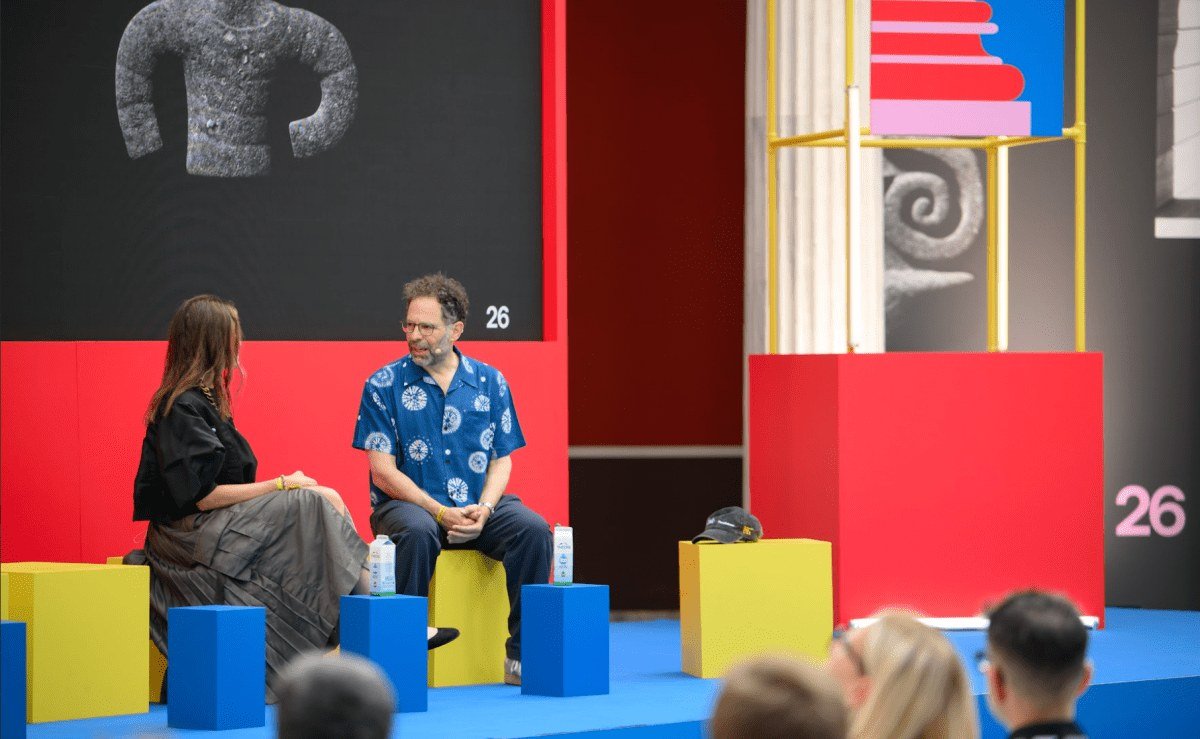
Few people have watched Silicon Valley manufacture wealth as closely as Neil Rimer. The venture capitalist co-founded Index Ventures, one of the firms whose early bets turned founders and engineers into some of the richest people alive. So his latest prediction lands differently than it would coming from a critic outside the industry. Rimer thinks the fortune AI is generating right now is going to come back out.
That is a striking thing to hear from someone whose job is to help create that fortune in the first place. Rimer isn’t forecasting a crash or arguing that the technology is overhyped. His claim is narrower and, in some ways, more unsettling. The historic wealth AI is concentrating in a small corner of California, he says, will have to be redistributed. The only open question is how.
A warning from inside the room
Most predictions about AI and inequality come from economists, labor organizers, or politicians. Rimer’s carries a different weight because of where he sits. Index Ventures backs the companies building this technology, which means Rimer has a front-row view of how quickly value is piling up and how few hands it is piling up in. When someone with that vantage point says the current arrangement won’t hold, it reads less like an outsider’s complaint and more like a builder pointing at a crack in his own structure.
His argument turns on a simple observation about scale. AI is not creating wealth gradually across a broad population. It is creating enormous concentrations of it fast, in the same geography, among the same networks of investors and operators who already sat near the top. Rimer’s view is that a system producing gains that lopsided generates its own pressure to release them. Money that accumulates that far out of proportion to the rest of the economy tends not to stay put.
Voluntary or involuntary
The sharpest part of Rimer’s prediction is the fork he draws at the end of it. Redistribution, he suggests, is coming either way. What’s undecided is whether the people holding the wealth hand it back on their own terms or have it taken from them on someone else’s.
Voluntary looks like philanthropy at a serious scale, or founders and funds choosing to route gains outward before anyone forces the issue. Involuntary looks like taxation, regulation, or political movements that decide the concentration has gone too far and act on that decision. Rimer is not moralizing about which path is better. He is describing a choice that the winners of this cycle may not realize they are already making by default. Sit still long enough and the second option arrives on its own.
There’s a quiet challenge buried in that framing. For years, the standard Silicon Valley response to inequality has been that a rising technology lifts everyone eventually, that the wealth trickles into jobs and products and cheaper tools. Rimer’s prediction skips past that comfort. He is not saying the gains will spread naturally. He is saying they will be moved, by generosity or by force, because the alternative is a level of concentration that societies do not tolerate for long.
What a builder is really saying
It matters that this is coming from an investor rather than a skeptic. Rimer profits when AI companies succeed. He has every incentive to describe the current moment as an unbroken good. Instead he is telling the people who share that incentive that the boom carries a bill, and that the bill will be collected whether they plan for it or not.
Read one way, it’s a caution. Read another, it’s an invitation. The founders and funds sitting on AI’s early winnings still have a window to shape how the redistribution happens while they hold the leverage to shape anything at all. Rimer’s warning is really about that window, and about how easily it closes when the people inside it assume the good times answer to no one.
Whether his peers listen is the thing to watch. Predictions about tech and inequality usually get filed away until the politics catch up with them. Rimer is betting the politics catch up faster than his industry expects, and that the smartest move for the people at the top is to start giving before they are asked. The next few years will show whether anyone in that room takes the advice, or whether the involuntary version of his forecast is the one that gets written.
For more coverage of AI and the economics of Silicon Valley, visit Mylistingo.
Source: Original Article
The Netherlands, for internationals
One email a week: the week's news for internationals in the Netherlands, new practical guides and what changed in the cities. No spam, unsubscribe any time.