Apple has filed a trade secrets lawsuit against OpenAI, and the timing could not be more problematic for the AI company. The complaint, submitted last Friday, accuses OpenAI of a pattern of misconduct that reaches up to the chief hardware officer level. According to the filing, more than 400 former Apple employees now work at OpenAI, raising concerns about the flow of proprietary information between the two companies. OpenAI has responded with carefully hedged statements, but the legal battle comes as the startup is reportedly preparing for an initial public offering as early as later this year.
The lawsuit’s core allegations
The lawsuit alleges that OpenAI systematically engaged in misappropriation of Apple’s trade secrets, particularly related to hardware design and manufacturing processes. Apple claims that several high level recruits from Apple brought confidential documents and knowledge to OpenAI, enabling the startup to accelerate its own hardware development efforts. The complaint names OpenAI’s chief hardware officer as a central figure in the alleged scheme, though the company has not yet commented specifically on that accusation.
Legal experts note that trade secrets cases can be lengthy and expensive, often requiring years of discovery and litigation. If Apple succeeds in proving its claims, OpenAI could face significant financial penalties and potential injunctions that might halt certain product lines. Even if the case is settled early, the distraction and reputational damage could complicate IPO plans, as investors typically prefer minimal legal uncertainty before a public offering.
What it means for OpenAI’s IPO and hardware ambitions
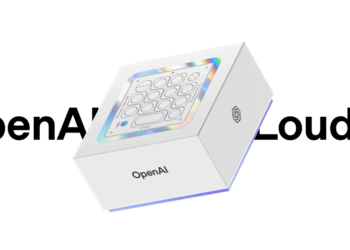
OpenAI has been quietly building a hardware division, with reports of a screenless speaker that can move and a keyboard designed for its Codex platform. These products represent the company’s strategy to create integrated hardware that complements its AI software, similar to how Apple pairs its devices with its operating systems. The lawsuit directly threatens these hardware ambitions by alleging that the very foundation of that division rests on stolen intellectual property.
IPO bankers and analysts have already begun reassessing OpenAI’s valuation in light of the lawsuit. While the company’s software business remains strong, with widespread adoption of ChatGPT and its enterprise offerings, hardware is seen as a key growth driver. If OpenAI cannot move forward with its hardware plans due to legal constraints, its long term revenue projections may need to be revised downward. The lawsuit also raises broader questions about corporate governance and data ethics at OpenAI, which could make potential investors more cautious.
The broader theme emerging from this week’s news is a growing skepticism about how AI companies handle data. Apple’s lawsuit is not an isolated incident; regulators and competitors are increasingly scrutinizing the practices of AI firms that have grown rapidly by ingesting vast amounts of information. The question of trust is becoming central to the industry’s future, as both consumers and business partners demand greater transparency and accountability.
For OpenAI, the path forward is uncertain. The company must defend itself in court while simultaneously trying to maintain momentum for its IPO. It may need to settle the lawsuit quickly to remove a major overhang, but any settlement would likely involve admitting some degree of wrongdoing and paying a substantial sum. Alternatively, OpenAI could fight the case aggressively, hoping to win on the merits, but that would delay the IPO and consume management attention. For a more detailed analysis of how smaller, more efficient models are reshaping the AI landscape, check out our look at small language models.
Apple’s move signals that it will not tolerate what it sees as unfair competition fueled by its own intellectual property. The outcome of this case could set a precedent for how trade secrets are protected in the AI era, particularly when employees move between major technology companies. OpenAI’s IPO, once seen as a landmark event for the AI industry, now faces a cloud of legal uncertainty that may take months or years to clear.