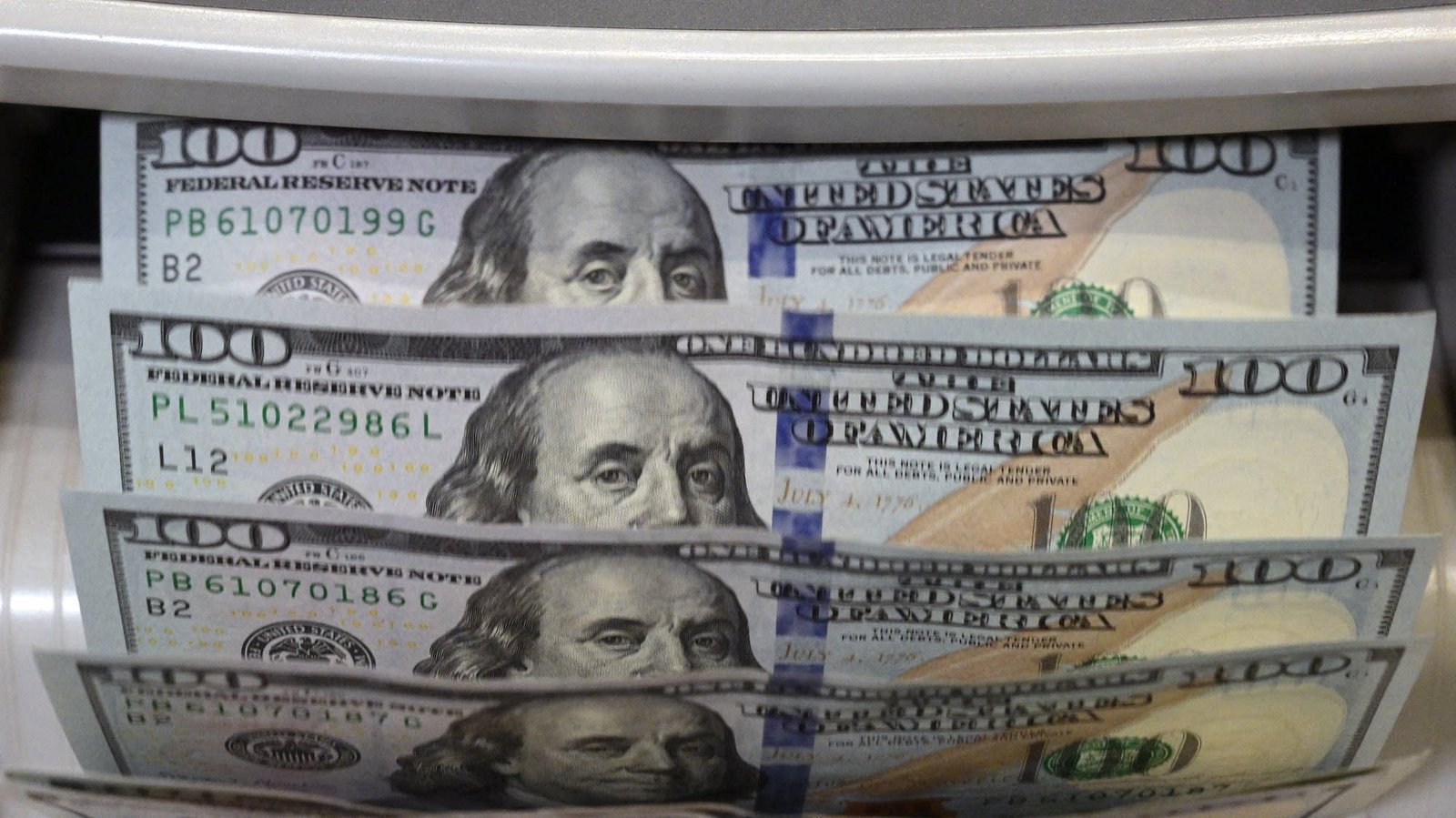
The BRICS Alliance: A New Chapter in Global Monetary Relations
The global financial landscape is undergoing its most significant transformation since the collapse of the Bretton Woods system in the 1970s. At the center of this transformation is the BRICS alliance — Brazil, Russia, India, China, South Africa, and the expanded membership including Egypt, Ethiopia, Iran, Saudi Arabia, and the United Arab Emirates — which has made de-dollarization a central pillar of its economic agenda. What began as academic discussions and political declarations has evolved into concrete policy initiatives with measurable impacts on global currency markets, trade patterns, and central bank reserve management.
The motivations behind the de-dollarization push are as diverse as the BRICS members themselves. For China and Russia, reducing dollar dependence is a geopolitical imperative driven by sanctions risk and strategic autonomy. For India and Brazil, it represents an opportunity to gain greater monetary policy independence and reduce exposure to US monetary policy spillovers. For Saudi Arabia and the UAE, newly added to the grouping in 2024, it reflects a strategic calculation about the future of energy trade and the desire to diversify away from an exclusively dollar-denominated oil market.
For broader context on how central banks are navigating these changes, our article on global economic trends and central bank strategies in 2026 provides a comprehensive overview of the monetary policy landscape.
Concrete Steps: Currency Swaps, Alternative Payment Systems, and Reserve Diversification
The de-dollarization agenda has moved well beyond rhetoric in 2026. The most significant concrete development has been the expansion of bilateral currency swap agreements between BRICS members. China’s renminbi swap lines now extend to over 40 countries, with the total value of outstanding swap arrangements exceeding 4 trillion yuan — approximately 550 billion US dollars. These swap lines allow countries to settle trade in local currencies without needing to access dollar-denominated markets, reducing demand for dollar reserves and weakening the transmission mechanism of US monetary policy.
The BRICS Bridge payment system represents another major milestone. Launched in prototype form in late 2025 and operational in 2026, this system connects the payment infrastructures of BRICS members, enabling real-time settlement of cross-border transactions in member currencies. Unlike SWIFT, which is dominated by dollar-denominated messaging, BRICS Bridge allows transactions to be denominated in any participant currency with automatic conversion at market rates. In the first six months of 2026, the system processed over 120 billion dollars equivalent in trade transactions, growing at approximately 15 percent month-over-month.
Central bank reserve management has also shifted noticeably. Data from the International Monetary Fund’s Currency Composition of Official Foreign Exchange Reserves (COFER) survey shows that the dollar’s share of global central bank reserves fell below 55 percent in the first quarter of 2026, down from 59 percent in 2022 and 71 percent in 2000. The renminbi’s share has risen to 4.5 percent, while gold holdings by BRICS central banks have increased dramatically. China has added gold to its reserves for 18 consecutive months, and India, Russia, and Saudi Arabia have all been substantial gold buyers in 2026.
Impact on Global Trade and Currency Markets
The effects of these changes are becoming visible in trade and currency markets. Trade between BRICS members denominated in non-dollar currencies reached 38 percent in mid-2026, compared to just 16 percent in 2022. China-Brazil trade, for example, is now 45 percent settled in renminbi or real, up from 10 percent in 2022. Russia-China trade is almost entirely settled in renminbi and ruble following Western sanctions that removed Russia from the dollar-based financial system.
Currency markets have responded with increased volatility. The dollar index (DXY) has experienced wider swings than at any point since the early 2000s, as markets adjust to a world where dollar demand from official sector reserve managers is no longer reliably growing. The renminbi, while still not fully convertible, has become the fourth most traded currency in global foreign exchange markets, surpassing the Australian dollar and Canadian dollar. Analysts at the Bank for International Settlements project that the renminbi could become the third most traded currency by 2028, behind only the dollar and the euro.
The petrodollar system — the arrangement whereby oil is priced and traded exclusively in dollars — has also shown signs of strain. Saudi Arabia’s decision to accept renminbi payments for oil sales to China, announced in stages since 2024 and fully implemented in early 2026, broke a taboo that had been in place since the 1970s. While the vast majority of global oil trade remains dollar-denominated, Saudi Arabia’s move creates a precedent that other oil exporters may follow, particularly as BRICS membership expands to include more energy-exporting nations.
For investors seeking to understand the broader implications of these trends, our analysis of how European bankers and regulators are responding to AI outpacing financial rules provides valuable context on the intersection of technology and finance.
The Dollar’s Enduring Strengths and Structural Advantages
Despite the momentum behind de-dollarization, the US dollar retains significant structural advantages that prevent any rapid displacement. The depth and liquidity of US Treasury markets remain unmatched — no other country or currency bloc offers a bond market of comparable size, transparency, and safety. The United States has deeply developed capital markets, strong property rights, independent legal institutions, and a tradition of monetary policy credibility that has been built over decades.
The dollar also benefits from network effects that are self-reinforcing. Because so many contracts, financial instruments, and trade agreements are denominated in dollars, there are powerful incentives for new participants to also use dollars for compatibility. Changing these patterns requires coordination on a scale that is historically unprecedented. Even China, which has the most to gain from renminbi internationalization, has moved cautiously, prioritizing financial stability over rapid currency internationalization after witnessing the destabilizing effects of rapid capital account liberalization in other emerging markets.
Furthermore, the US retains significant financial and diplomatic tools to defend the dollar’s position. Sanctions, while controversial, have demonstrated the costs of operating outside the dollar-based system. The Federal Reserve’s swap lines provide a crucial backstop for global financial stability that no other central bank can currently replicate at scale. And American technological leadership, particularly in AI and financial technology, continues to underpin confidence in US financial markets and institutions.
Outlook: A Multipolar Currency System by 2030?
The most likely trajectory is not the replacement of the dollar by any single currency but rather the gradual emergence of a more multipolar international monetary system. In such a system, the dollar would remain the single largest reserve currency but would share the stage more meaningfully with the euro, the renminbi, and potentially a future BRICS common currency or digital payment unit. Gold is also likely to play a larger role in central bank reserves than it has in recent decades.
The pace of change will depend on several factors: the continued expansion of BRICS membership and institutional capacity, the success or failure of alternative payment systems, the trajectory of US fiscal and monetary policy, and the geopolitical stability of the current world order. What is clear is that the era of dollar dominance — where the dollar accounted for over 70 percent of global reserves and the vast majority of international transactions — has passed and is unlikely to return. The question is not whether the global monetary system will become more multipolar, but how quickly and how smoothly that transition will unfold.
The Netherlands, for internationals
One email a week: the week's news for internationals in the Netherlands, new practical guides and what changed in the cities. No spam, unsubscribe any time.