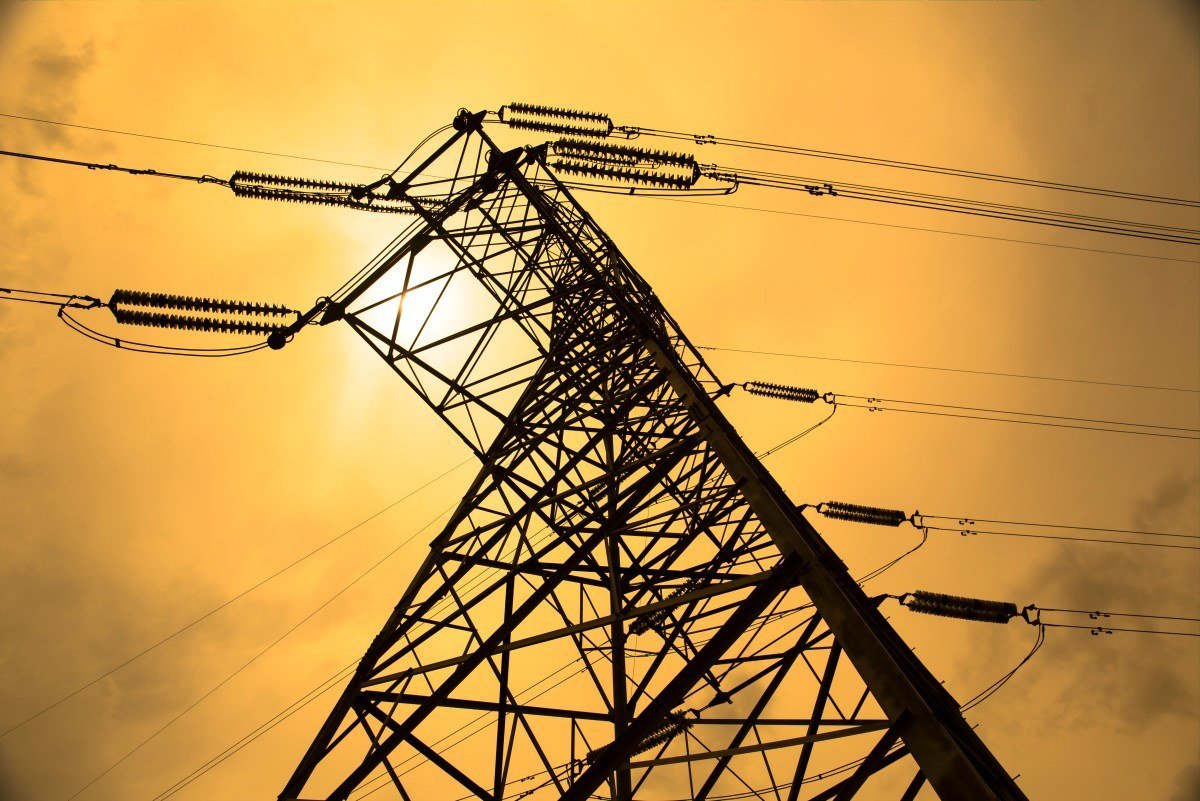
One piece of faulty equipment. That was all it took. On a summer afternoon in Northern Virginia, a fault rippled through the grid in the densest concentration of computing power on Earth, and the region’s data centers did exactly the wrong thing. Rather than ride out a momentary dip, roughly 1,500 megawatts of demand yanked itself off the grid at nearly the same instant, flipping to backup power and leaving grid operators to absorb the shock.
Nobody lost service that day. The lights stayed on, the servers kept humming, and most people in Loudoun County never knew anything happened. But the incident handed engineers a preview of a failure mode that gets more dangerous every time another hyperscale campus comes online. The machines training and serving AI models have become some of the largest electrical loads ever connected to a power system, and they are wired to protect themselves first and the grid second.
Why data centers flinch
Picture the grid as a giant seesaw balancing generation against demand. Knock a big load off one side without warning and frequency swings, voltage wobbles, and operators scramble to keep the whole thing level. A single power plant tripping offline is the classic version of that problem. What Northern Virginia showed is that a cluster of data centers can now behave like a power plant in reverse, dropping gigawatts of load in a coordinated blink.
The reason is baked into how these facilities are engineered. A data center’s entire reason to exist is uptime, so its protective systems are tuned to bail at the first sign of a disturbance and switch to on-site generation or batteries. That instinct makes perfect sense for the building. It makes no sense for the network the building is plugged into. When hundreds of megawatts flinch at once in response to a fault happening somewhere else, the cure becomes worse than the disease.
Virginia is where this collides with reality first because Virginia got there first. Loudoun County’s “Data Center Alley” routes a staggering share of the world’s internet traffic, and the AI buildout has only deepened the concentration. Stack enough twitchy megawatts in one corner of the map and a routine equipment fault stops being routine.
The fix has a name: ride-through
Engineers already solved a version of this problem, which is the encouraging part. Large generators are required to “ride through” small disturbances, meaning they stay connected and keep working while voltage and frequency wobble briefly, instead of disconnecting and making the wobble worse. Wind and solar farms fought the same battle a decade ago and eventually had to meet the same standard. Data centers have mostly escaped that expectation because, until recently, no one thought of a server hall as a grid asset.
That thinking is changing fast. Reliability regulators want data centers held to ride-through requirements that force them to tolerate brief faults rather than sprint for the exits. In practice that means reprogramming protective relays and control settings so a facility distinguishes between a genuine emergency and a passing hiccup two substations away. The hardware to do this largely exists. What’s missing is the mandate and the muscle memory.
Getting there is less about invention than coordination. Grid operators, equipment vendors, and the hyperscalers themselves have to agree on where the trip thresholds sit, then test that they hold under real conditions. Utilities can write ride-through obligations into interconnection agreements, the contracts that decide whether a new campus gets to plug in at all. Given how badly every operator wants grid access right now, that leverage is real.
A problem that scales with the boom
Here is the uncomfortable math. Every quarter brings announcements of new multi-gigawatt AI campuses, and each one adds to the pool of load that could disconnect in unison. The Northern Virginia event was a warning fired with the grid in relatively good shape. Run the same scenario on a brutal August afternoon, with air conditioning maxed out and reserves thin, and a coordinated load drop stops being a near miss.
The encouraging read is that this is a solvable engineering problem, not a mystery. Everyone in the room knows what ride-through is and why it works. The open question is whether the industry adopts it at the pace the buildout demands, or waits for an incident that clips real customers before the settings get changed.
Watch the interconnection queues and the next round of reliability standards. If ride-through requirements start showing up as a condition of hooking a data center to the grid, the industry will have learned from one fallen power line. If they don’t, Northern Virginia won’t be the last place a small fault turns into a big scare.
For more coverage of AI data centers and the power grid, visit Mylistingo.
Source: Original Article
The Netherlands, for internationals
One email a week: the week's news for internationals in the Netherlands, new practical guides and what changed in the cities. No spam, unsubscribe any time.