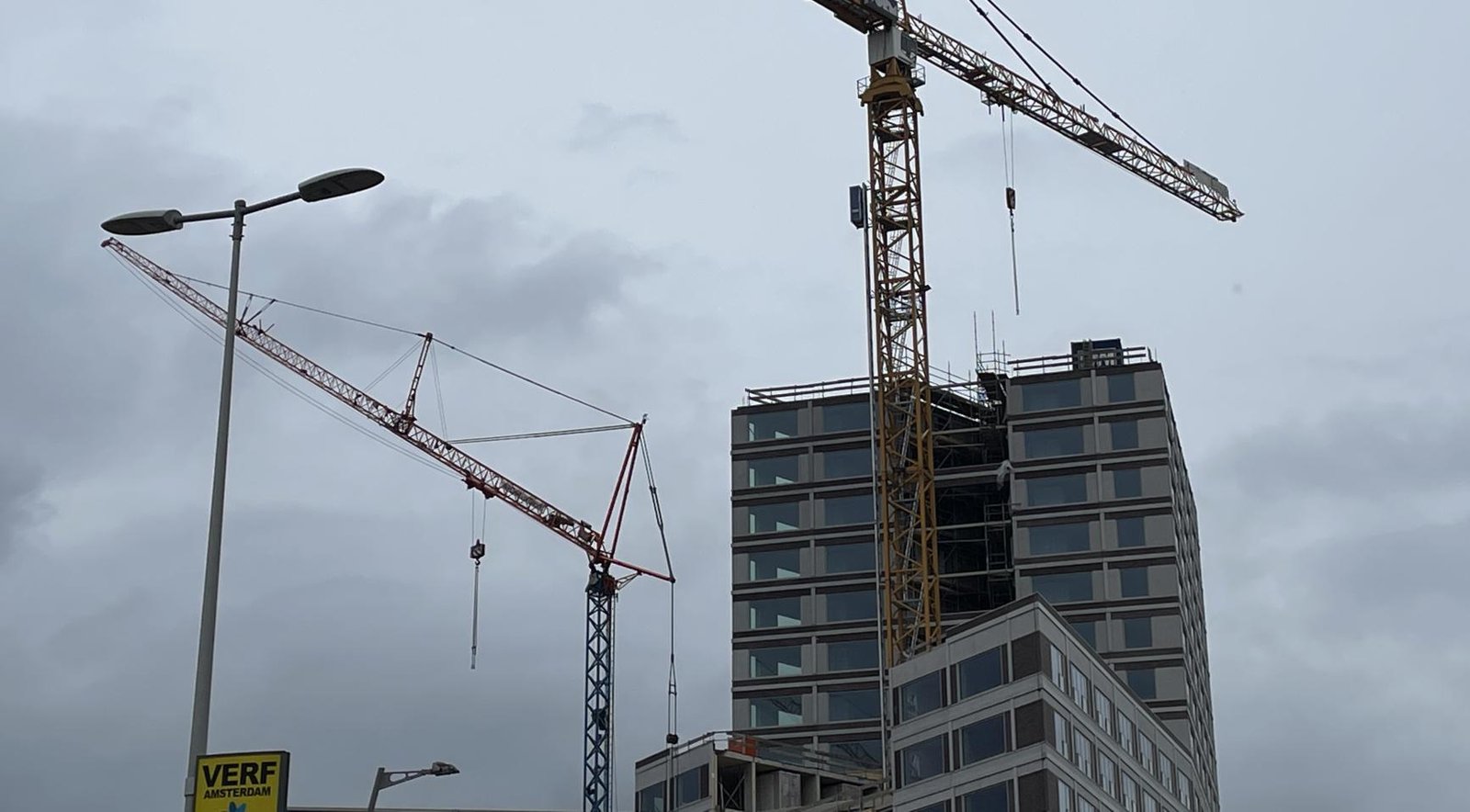
Ambitious Target Amid Housing Crisis
The Netherlands is on track to construct nearly 100,000 new homes in 2027, according to the latest government projections — a target that would mark one of the highest annual completion rates in recent Dutch history. However, officials caution that the surge may prove temporary as the construction sector continues to grapple with labour shortages, rising material costs, and permitting backlogs.
The Dutch housing shortage has been one of the country’s most persistent domestic challenges, with an estimated deficit of over 390,000 homes. The new coalition government, formed earlier this year, has made housing a cornerstone of its domestic agenda, pledging to accelerate construction through streamlined zoning and faster approval processes.
The Hague Feels the Pressure
In The Hague, the housing squeeze is particularly acute. As the seat of the Dutch government and home to numerous international institutions — including the International Court of Justice, the International Criminal Court, and Europol — the city attracts a steady influx of expatriates and diplomats. This international demand has pushed rental prices well above the national average, with a one-bedroom apartment in popular neighbourhoods like Zeeheldenkwartier or Statenkwartier routinely exceeding €1,500 per month.
Local authorities have responded with several large-scale development projects. The CID Binckhorst redevelopment, one of the largest urban renewal projects in the country, aims to deliver up to 25,000 new housing units over the next two decades by transforming a former industrial zone into a mixed-use urban district.
Sustainability Requirements Slow Progress
Builders face additional hurdles from the Netherlands’ stringent sustainability regulations. All new homes must now meet Nearly Zero-Energy Building (BENG) standards, which require near-total energy neutrality. While environmentally crucial, these standards add an estimated 8-12% to per-unit construction costs, squeezing margins for developers already facing elevated interest rates.
The government has responded with a €1.2 billion housing acceleration fund, designed to bridge the viability gap for projects that would otherwise stall. Early uptake has been promising, with over 60 municipalities accessing the fund in the first half of 2026 alone.
What It Means for Buyers and Renters
Even if the 100,000-home target is met, housing experts warn that it will take years of sustained construction to meaningfully reduce prices. The Netherlands Bureau for Economic Policy Analysis (CPB) projects that home prices will continue rising by 3-4% annually through 2028, with the most significant increases concentrated in the Randstad corridor — the densely populated region that includes Amsterdam, Rotterdam, The Hague, and Utrecht.
For first-time buyers, the prospects remain daunting. The average Dutch home now costs approximately €430,000, requiring a household income well above the national median. Government-backed starter loans and the abolition of transfer tax for buyers under 35 have provided some relief, but have been criticised as insufficient to close the affordability gap.
The coming year will be a critical test of whether the Netherlands can translate its ambitious construction targets into actual homes — and whether those homes will be within reach of the people who need them most.
The Netherlands, for internationals
One email a week: the week's news for internationals in the Netherlands, new practical guides and what changed in the cities. No spam, unsubscribe any time.