Europe’s Quantum Computing Race Heats Up as Dutch Lab Achieves New Milestone
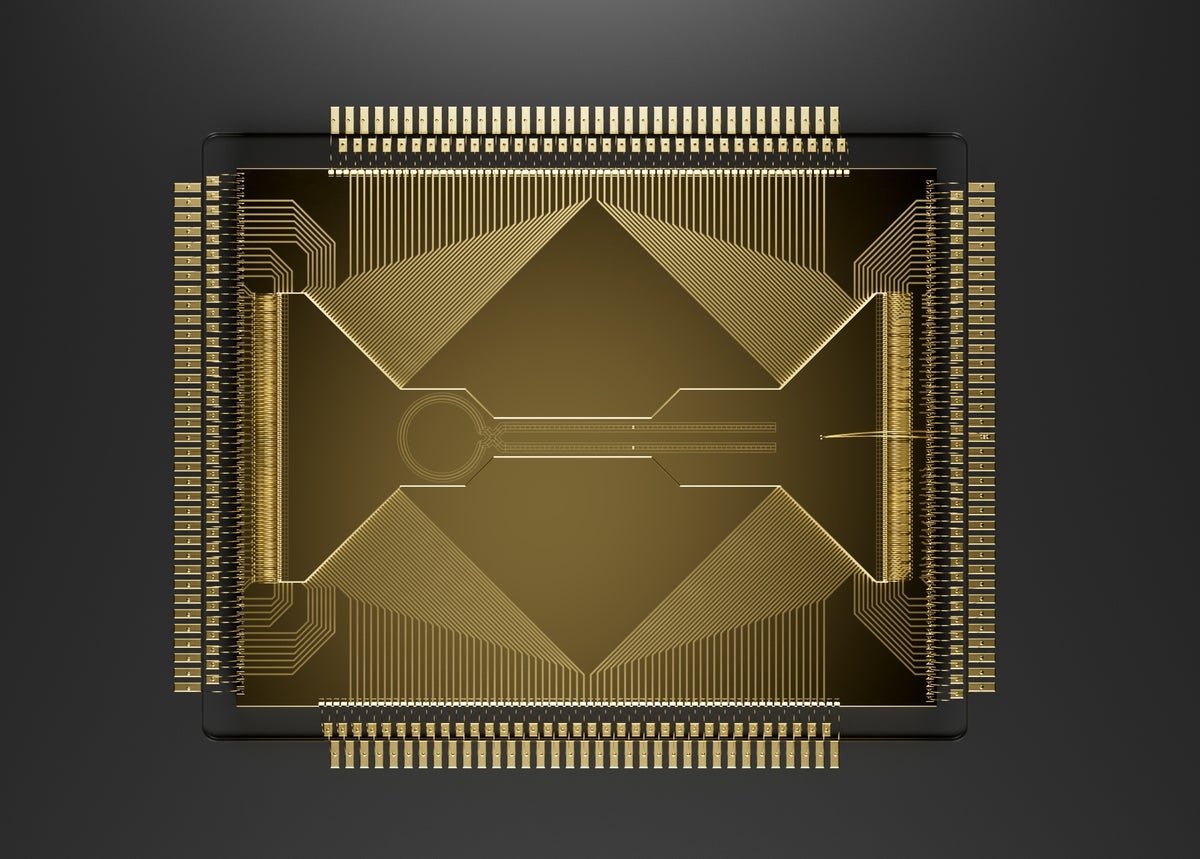
Researchers at QuTech, the quantum computing research institute based at Delft University of Technology, have demonstrated a new error-correction protocol that brings fault-tolerant quantum computing significantly closer to reality. The breakthrough, published in Nature Physics in June 2026, addresses one of the fundamental challenges that has kept practical quantum computers out of reach.
The Delft team, led by Professor Lieven Vandersypen, successfully implemented a surface code error correction scheme across a 17-qubit processor, achieving a logical error rate below the physical error rate for the first time in a solid-state platform. This is the threshold that defines “useful” error correction — the point at which adding more qubits actually reduces errors rather than compounding them.
The European Quantum Landscape
The Netherlands is a key player in Europe’s broader quantum strategy, which has seen over €8 billion in combined public and private investment since 2020. The European Quantum Flagship program coordinates research across the continent, with major hubs in Delft, Munich, Paris, and Oxford.
“What’s significant about the Delft result is that it was achieved using silicon spin qubits — the same semiconductor manufacturing techniques that power the classical computing industry,” explains Dr. Stephanie Wehner, director of the Quantum Internet Alliance. “This suggests a more practical path to scaling than some of the more exotic approaches.”
Commercial Implications
While fault-tolerant quantum computers capable of solving real-world problems remain years away, the ecosystem of quantum startups in the Netherlands is expanding rapidly. Amsterdam-based QuantWare supplies quantum processors to research labs worldwide, while Delft’s Qblox builds the control electronics needed to operate them. Together, they form a growing supply chain that mirrors the Netherlands’ position in the classical semiconductor industry.
The Dutch government recently allocated an additional €300 million to quantum research through its National Quantum Strategy, with a focus on translating laboratory advances into commercial applications. The goal: ensure that when quantum computing reaches maturity, the Netherlands is not just a research leader but an industrial one as well.
The Netherlands, for internationals
One email a week: the week's news for internationals in the Netherlands, new practical guides and what changed in the cities. No spam, unsubscribe any time.