The Irish novelist Sally Rooney, author of Normal People, has said her books will no longer be supplied to booksellers in the United Kingdom because of her support for Palestine Action, which is banned in the UK as a terrorist organisation. Her publisher, Faber, told BBC News it can no longer supply her work in the UK in any format, and the ebook editions have already been taken off sale.
What happened
According to BBC News, Rooney said in a statement that continuing to publish her work in the UK could amount to a “serious criminal offence”. She said she had therefore agreed with Faber that her books would stop being supplied in the country. “I have made every effort to be honest with the public about my beliefs and intentions, and I am wholly prepared to accept the consequences,” she said.
This stems from a position Rooney made public last year. The UK government proscribed Palestine Action as a terrorist organisation in July 2025, saying the group had a “long history” of criminal damage. The BBC reports that the group’s activities have included targeting arms companies linked to Israel’s war in Gaza. The following month, Rooney wrote an opinion piece in the Irish Times saying she would keep using the proceeds from her work to support the group, even though doing so is an offence in the UK. She also cancelled a trip to the UK to collect an award because she feared she would be arrested.
In her latest statement, Rooney pointed out that Palestine Action “is not a proscribed or otherwise prohibited group here in the Republic of Ireland”. She said that, because of her stated intentions, “the fulfilment of contracts to publish my work in the UK could now constitute a serious criminal offence”, and that Faber had decided “after a process of consultation and deliberation, and with my full agreement” that it could no longer supply her work in the UK.
Faber gave BBC News its own explanation. The publisher said current UK legislation meant it “cannot pass on UK earnings to Sally Rooney for her work”, and it called selling a writer’s work without being able to pay them “an unconscionable situation for a publisher”. It added that it remains “the proud publisher of her remarkable body of work” and will keep selling her books in other territories.
The decision covers all four of Rooney’s novels: Conversations With Friends, Normal People, Beautiful World, Where Are You and her most recent book, Intermezzo. Normal People came out in 2018 and two years later became a hit television series, which, as the BBC notes, effectively launched the acting careers of Paul Mescal and Daisy Edgar-Jones.
Why it matters if you live in the United Kingdom
For readers in the UK, the most immediate change is that Rooney’s books will no longer be supplied to shops here. BBC News reports that the ebook editions have already been removed from sale in the UK, so you can no longer buy her novels digitally from UK retailers.
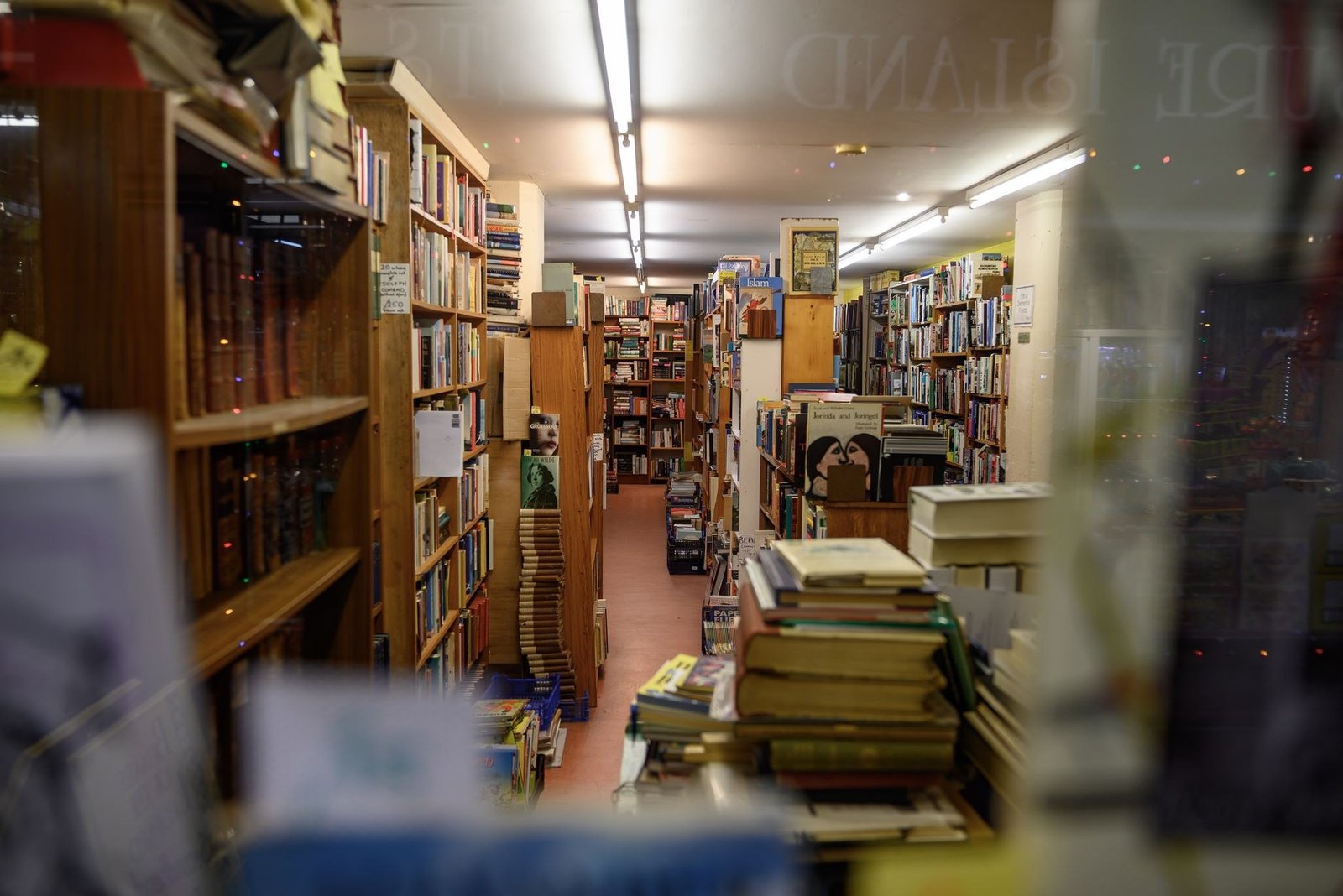
Physical copies are a different matter for now. Many bookshops still have stock, and Waterstones told the BBC that Faber had advised there were no restrictions on booksellers keeping their current copies on the shelves. In practice, shops can sell the stock they already have, but they will not receive new supplies from the publisher. If you were planning to buy one of her novels, or give one as a present, what is left on the shelves may be the last stock available through UK booksellers.
This affects a large readership. According to NielsenIQ BookData figures cited by the BBC, Rooney has sold more than six million books worldwide, including 2.3 million in the UK. A writer with that level of sales stopping UK distribution of her entire catalogue is rare, and it is likely to be noticed by book clubs, students and anyone who came to her work through the television adaptation of Normal People.
The case also shows how the proscription works in practice. A publisher has stopped selling a major author’s books because, it says, it cannot legally pay her UK earnings. This matters especially for internationals who move between the UK and Ireland. Rooney’s statement highlights that support for the group is treated differently on each side of the Irish border: the group is banned in the UK but not in the Republic of Ireland.
The wider legal picture is also significant. BBC News reports that more than 3,700 people are believed to have been arrested in the UK over alleged support for Palestine Action, and about 2,500 have been charged. None of those cases has yet gone to trial, because a legal challenge to the proscription is still under way.
What to watch next
The next major date is the Supreme Court hearing. According to the BBC, the legal challenge to the ban on Palestine Action will be heard by the Supreme Court next month. Earlier BBC coverage reported that the Court of Appeal had ruled the ban lawful. The outcome in the Supreme Court will matter for the thousands of people facing charges, and it could also affect whether Faber’s position on supplying Rooney’s books stays as it is.
Readers should also watch what happens to existing stock. Booksellers have been told they may keep the copies they have, but once those are sold there will be no new supplies from Faber in the UK. Faber has said it will continue to publish and sell Rooney’s work outside the UK, so her books remain available in other markets, including Ireland.
Finally, watch how the publishing world responds. A publisher of Faber’s standing withdrawing a bestselling author’s books from the UK on legal grounds is an unusual step. The way booksellers, writers and readers react may shape wider debate about the proscription before the Supreme Court hears the case.
Source: BBC News
Sources
- BBC News: Sally Rooney books withdrawn in UK over Palestine Action support, accessed 14 October 2026
The UK, for internationals
One email a week: the week's news for internationals in the UK, new practical guides and what changed in the cities. No spam, unsubscribe any time.