The Netherlands Powers Ahead: Europe’s EV Leader in 2026
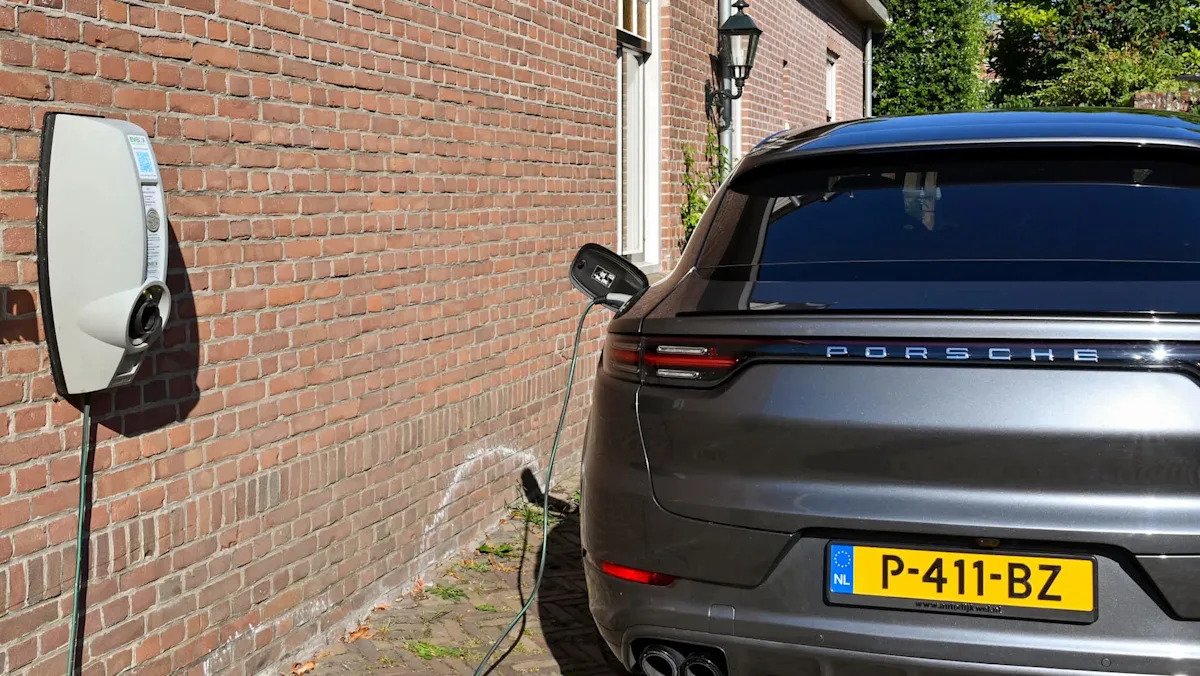
If there is one country that embodies the electric vehicle transition, it is the Netherlands. With over 145,000 public charging points — more than any other EU member state — and an EV adoption rate approaching 35 percent of new car sales, the Dutch are setting the pace for Europe’s electric mobility revolution in 2026.
The numbers are striking: the Netherlands now has one public charging station for every 120 residents. Amsterdam alone hosts over 12,000 public chargers, and the city aims to be fully emission-free for all motorized traffic by 2030. Rotterdam’s massive Maasvlakte charging hub, capable of simultaneously charging 340 electric trucks, opened in April 2026 and is already operating at 70 percent capacity.
Smart Charging Meets the Smart Grid
What sets the Netherlands apart is not just the quantity of chargers but the intelligence behind them. Dutch grid operators — led by TenneT, Stedin, and Liander — have deployed smart charging protocols that balance EV power demand against grid capacity in real time. When solar production peaks on sunny afternoons, charging speeds automatically increase, soaking up excess renewable energy that would otherwise go to waste.
This vehicle-to-grid integration saved an estimated €42 million in grid-balancing costs during the first half of 2026. Bidirectional charging — where EVs can send power back to homes or the grid — is now supported by over 40 percent of new charging stations in the country.
Dutch Battery Innovation
The Netherlands is also emerging as a battery technology hub. ELEO Technologies, based in Helmond, recently began mass production of its modular battery systems for construction and agricultural equipment. The company secured €110 million in Series C funding in May 2026. Meanwhile, LeydenJar in Eindhoven is producing pure silicon anode batteries with 70 percent higher energy density than conventional lithium-ion cells at its newly opened pilot factory.
“Dutch battery innovation is punching well above its weight,” said Dr. Moniek Tromp, chair of materials chemistry at the University of Groningen. “We have the research base, the manufacturing expertise, and a home market of early adopters. That combination is rare.”
The Road Ahead
The Dutch government’s target of 100 percent zero-emission new car sales by 2030 looks increasingly achievable. With charging anxiety all but eliminated and battery range now exceeding 500 kilometers on mainstream models, the psychological barriers to EV adoption are crumbling. The Netherlands is showing the rest of Europe what a comprehensive electric mobility ecosystem actually looks like — and it works.
The Netherlands, for internationals
One email a week: the week's news for internationals in the Netherlands, new practical guides and what changed in the cities. No spam, unsubscribe any time.