The SPD, the Greens and Die Linke want to make Berlin cleaner, according to a joint paper the three parties presented on Saturday. The Tagesspiegel reports that the plans include a pilot of free bulky waste collection and a review of whether the city could bring in a tax on disposable packaging.
What happened
After their Sondierungsgespräche (exploratory talks held before formal coalition negotiations), the three parties published a Sondierungspapier, a paper setting out where they agree. The Tagesspiegel notes that a tidy streetscape and a clean city are usually seen as conservative issues. The left-leaning parties now present litter as a social question as well. “Clean parks and squares are not cosmetics,” the paper says. “Anyone who lives in a littered Kiez feels forgotten by the state.” Kiez is the Berlin word for a local neighbourhood.
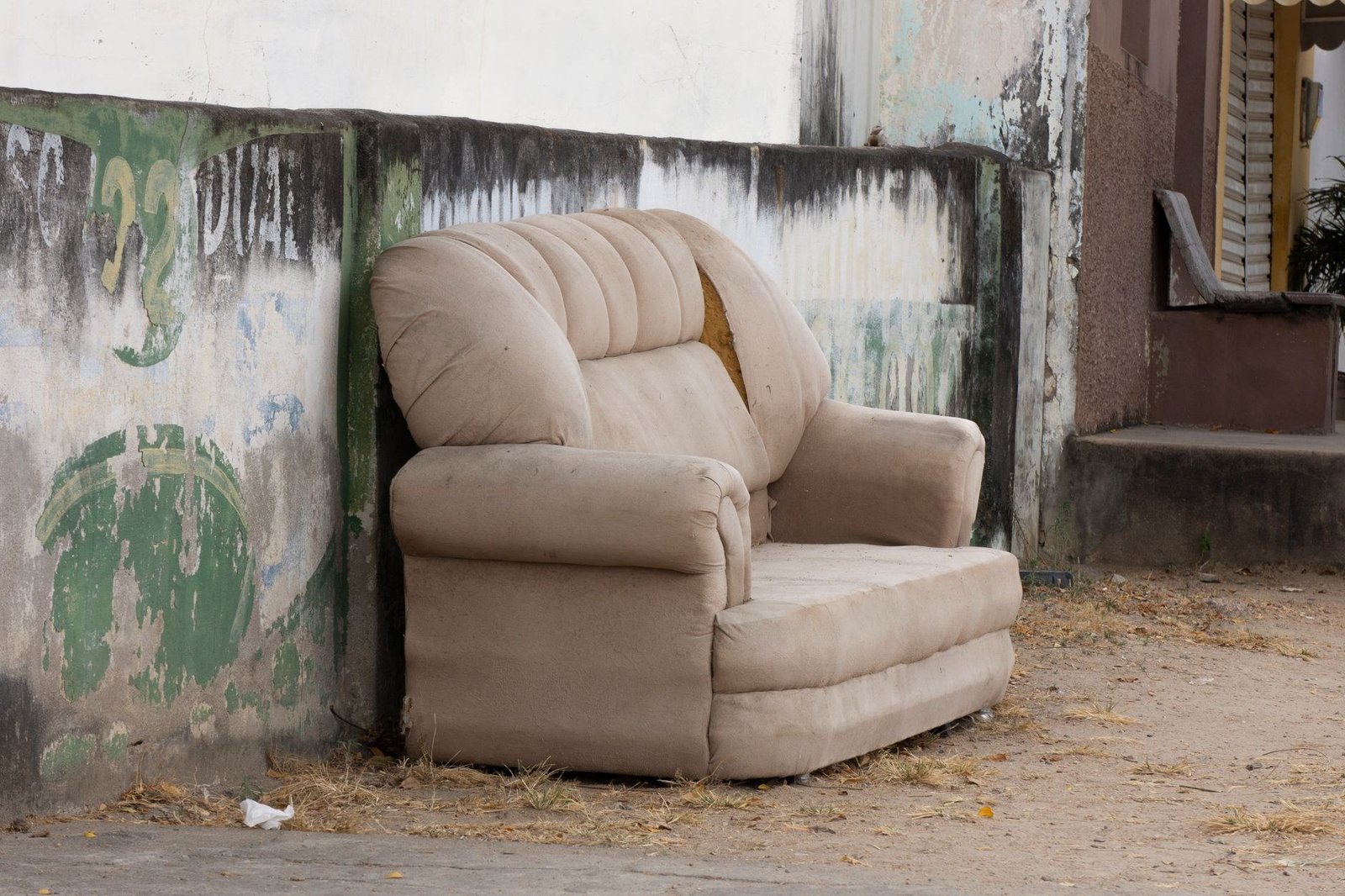
The paper says the possible alliance wants to “trial” free collection of Sperrmüll (bulky waste such as old sofas, mattresses and furniture) as a pilot project. At the press conference after the talks, Elif Eralp, who leads Die Linke’s group in the state parliament, said there should be one free bulky waste collection day per year. The Tagesspiegel recalls that Economics Senator Franziska Giffey (SPD) had already suggested one free bulky waste collection per year and household in the summer.
At the time, the Berliner Stadtreinigung (BSR), the city’s public waste and street cleaning company, said this would create “a large additional funding requirement”. According to the Tagesspiegel, the new paper does not address the costs.
The parties also want to expand the work of the BSR and of Kiezläufer, neighbourhood wardens who speak to people who drop litter in the street. Werner Graf, who leads the Greens’ parliamentary group, said the aim was for Berlin to develop into a “Zero-Waste-Stadt” (zero-waste city). “We will also examine whether we can introduce a packaging tax here in Berlin,” he said.
Steffen Krach, who chairs both the SPD group in parliament and the party’s Berlin branch, said clean parks and playgrounds would be a priority as part of a family-friendly city. The Tagesspiegel reports that rubbish was one of the most important issues in the campaign before the Abgeordnetenhauswahl, the election to Berlin’s state parliament. “Many people kept telling all of us that they no longer feel comfortable in their neighbourhoods because of all the rubbish on the streets,” Eralp said.
The paper also covers drug policy. People with addictions should get help, while public spaces should become safe through action against drug dealing, the creation of Konsumräume (supervised drug consumption rooms) and outreach social work.
What it means for you
None of this is in force yet. These are proposals from exploratory talks, not decisions by a new state government. For now, nothing has changed in how you get rid of bulky waste or what you pay for takeaway packaging in Berlin.
- Bulky waste: If the pilot goes ahead, households could get one free collection day per year for items such as old furniture. The Tagesspiegel gives no start date, no details on which districts would take part, and no information on how to book. Until then, the BSR’s existing rules apply.
- Packaging tax: The parties have only said they will look into it. As an example of how such a tax works, the Tagesspiegel points to neighbouring Potsdam. Since 1 October, Potsdam has charged food businesses 50 cents for each single-use cup, plate or bowl and 20 cents for disposable cutlery. Industry associations criticised the high administrative effort.
- Street cleaning: More BSR work and more Kiezläufer would mainly affect public streets, parks and playgrounds. Leaving rubbish in the street could mean being spoken to by a warden more often.
Leaving a sofa or mattress on the pavement with a “Zu verschenken” (free to take) sign, a common sight in Berlin according to the Tagesspiegel, is exactly what the parties want to reduce. Until a free collection exists, use the BSR’s regular services.
What to watch next
- Whether the three parties move from exploratory talks to formal coalition negotiations, and whether the waste plans make it into a coalition agreement.
- How the free bulky waste day would be paid for, given the BSR’s earlier warning about extra costs.
- The outcome of the review of a Berlin packaging tax, and whether it would follow the Potsdam model. Anyone running a café, restaurant or takeaway in Berlin should follow this closely.
- Details on drug consumption rooms and outreach work, including where they would be located.
Source: Tagesspiegel
Sources
- Tagesspiegel: Verpackungssteuer und Sperrmüllabholung: SPD, Grüne und Linke wollen Berlin sauberer machen, accessed 18 October 2026 (archived copy)
Berlin, for internationals
One email a week: what changed for internationals in Berlin, the week's news from Germany, and one guide worth reading. No spam, unsubscribe any time.