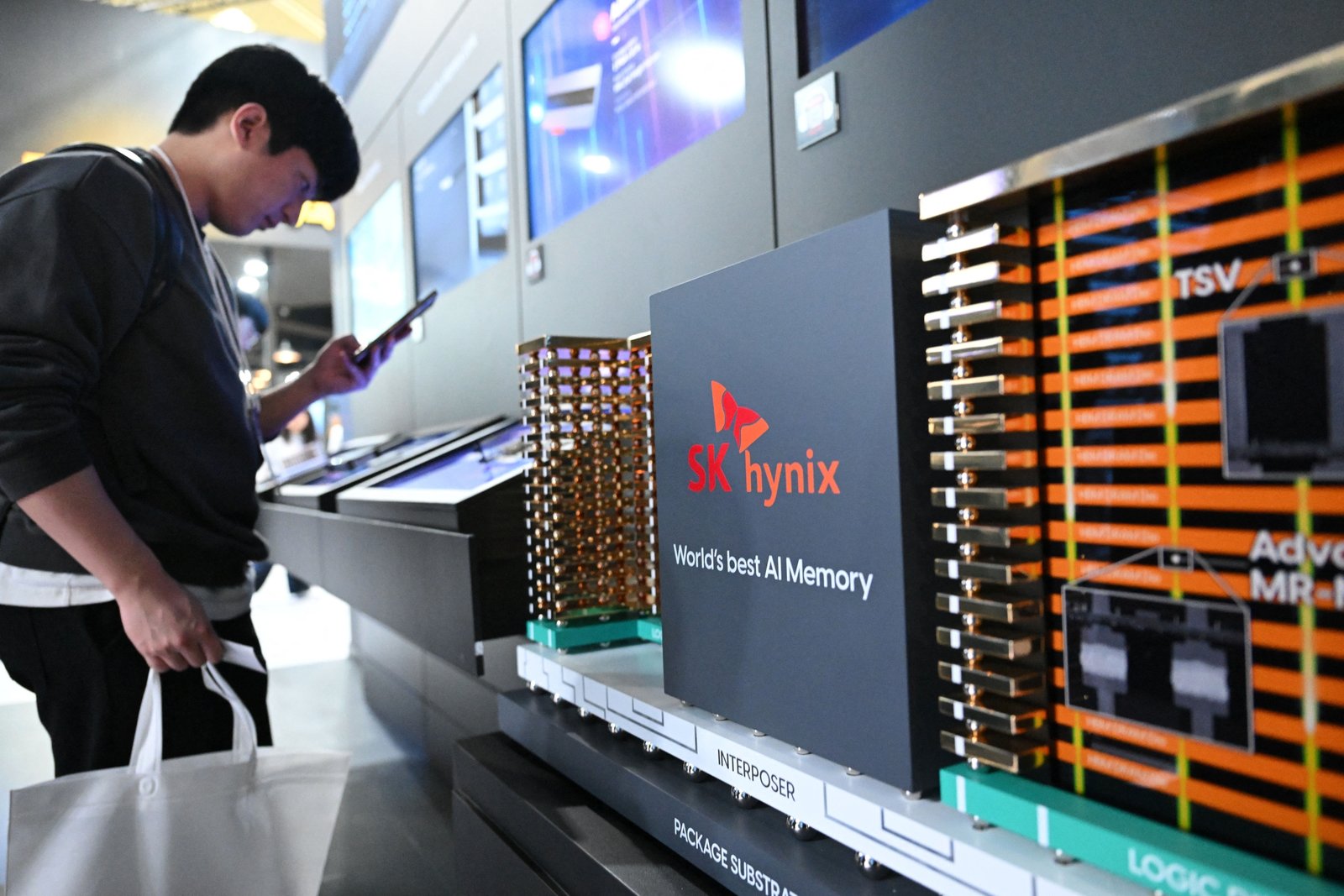
Fifteen hundred technology companies. Thirty-three countries. COMPUTEX 2026 opened on June 2 under the theme “AI Together” and ran through June 5, setting a new record for the exhibition’s scale. The event was partly a trade show and partly something closer to a global referendum on where technology spending is going next. The answer from every direction was the same: infrastructure.
The numbers behind that answer are large enough to be almost abstract. Alphabet raised $80 billion in equity earlier this year with data center expansion as a primary use of proceeds. SoftBank committed $52 billion to European data center investment. Anthropic filed confidentially for an IPO. These are not the moves of companies hedging against uncertainty — they are bets that the current scale of AI infrastructure is not a ceiling but a floor.
Physical AI and the mobility shift
COMPUTEX’s six focus areas this year included smart manufacturing, future mobility, next-generation communications, robotics, and sustainability. The framing matters: this is not a show about software anymore. The infrastructure being built out — compute, networking, energy, physical systems — is what the next decade of AI runs on.
One of the more concrete near-term applications of this build-out is autonomous mobility. Uber is launching a robotaxi initiative in Munich in partnership with Israeli AI startup Autobrains Technologies, using Nvidia’s Drive Hyperion platform for real-time decision-making. The Munich initiative follows Uber’s US robotaxi partnerships and marks its first significant step into the European market. Autobrains’ approach is notable: the company’s systems are designed to generalise from limited training data, reducing the need for the exhaustive, city-by-city data collection that has slowed some competitors.
The battery problem getting solved differently
Sodium-ion batteries have been a theoretical answer to the cost and supply constraints of lithium-ion for years. In 2026, they are becoming a commercial reality. Made from materials as common as salt, sodium-ion cells offer a cheaper and thermally safer alternative to lithium, with applications in grid storage and affordable electric vehicles that do not depend on constrained lithium supplies.
Major players are backing the technology, and public investment is following. The shift is not happening overnight — lithium-ion is entrenched, and sodium-ion energy density still trails at the premium end of the market. But for stationary storage and entry-level EVs, the economics are beginning to move decisively in sodium-ion’s favour. Grid operators that have been delaying storage investments while waiting for costs to fall have fewer reasons to wait now.
Materials, optics, and the quantum edge
A crystal called molybdenum oxychloride has attracted unusual attention from researchers working on optics and display technology. Its properties could enable the kind of ultrathin, lightweight optical elements that smart contact lenses and augmented reality glasses would require. Current AR hardware is still too bulky for mainstream adoption — the gap between what AR promises and what people will actually wear is largely a materials problem. Molybdenum oxychloride is one proposed answer.
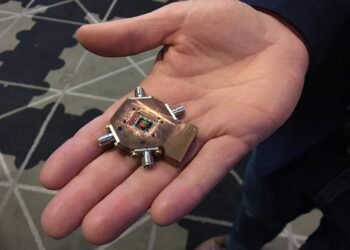
On the quantum side, researchers have demonstrated a room-temperature device that uses twisted light to entangle photons and electrons. Quantum systems have long required extreme cooling to function reliably, which has been a significant barrier to practical deployment. Room-temperature operation does not solve every problem in quantum computing or quantum communication, but it removes a fundamental infrastructure obstacle that has constrained where these systems can actually be used.
Climate capital following the build-out
The energy demands of large-scale AI infrastructure are reshaping where climate technology investment is going. Gigascale Capital launched a $250 million fund earlier this year focused specifically on startups rebuilding physical infrastructure at the intersection of electrification, AI, and climate adaptation. The fund’s thesis is that the same economic forces driving AI infrastructure expansion also create demand for climate-aligned alternatives to existing grid, cooling, and energy systems.
The timing reflects a broader shift in climate investing. Earlier vintages focused heavily on clean energy generation — solar, wind, storage. The emerging focus is on the physical infrastructure layer: cooling, power distribution, materials, and the systems that connect generation to consumption at the scale AI requires.
COMPUTEX 2026 will be studied as a snapshot of where the technology industry’s capital and attention were concentrated in the middle of this decade. What the show floor suggested is that the infrastructure phase is still accelerating, and the applications built on top of it are barely getting started. For more on emerging technology and future trends, visit Mylistingo.
The Netherlands, for internationals
One email a week: the week's news for internationals in the Netherlands, new practical guides and what changed in the cities. No spam, unsubscribe any time.