Microsoft’s AI Assistant Gets a Major Overhaul
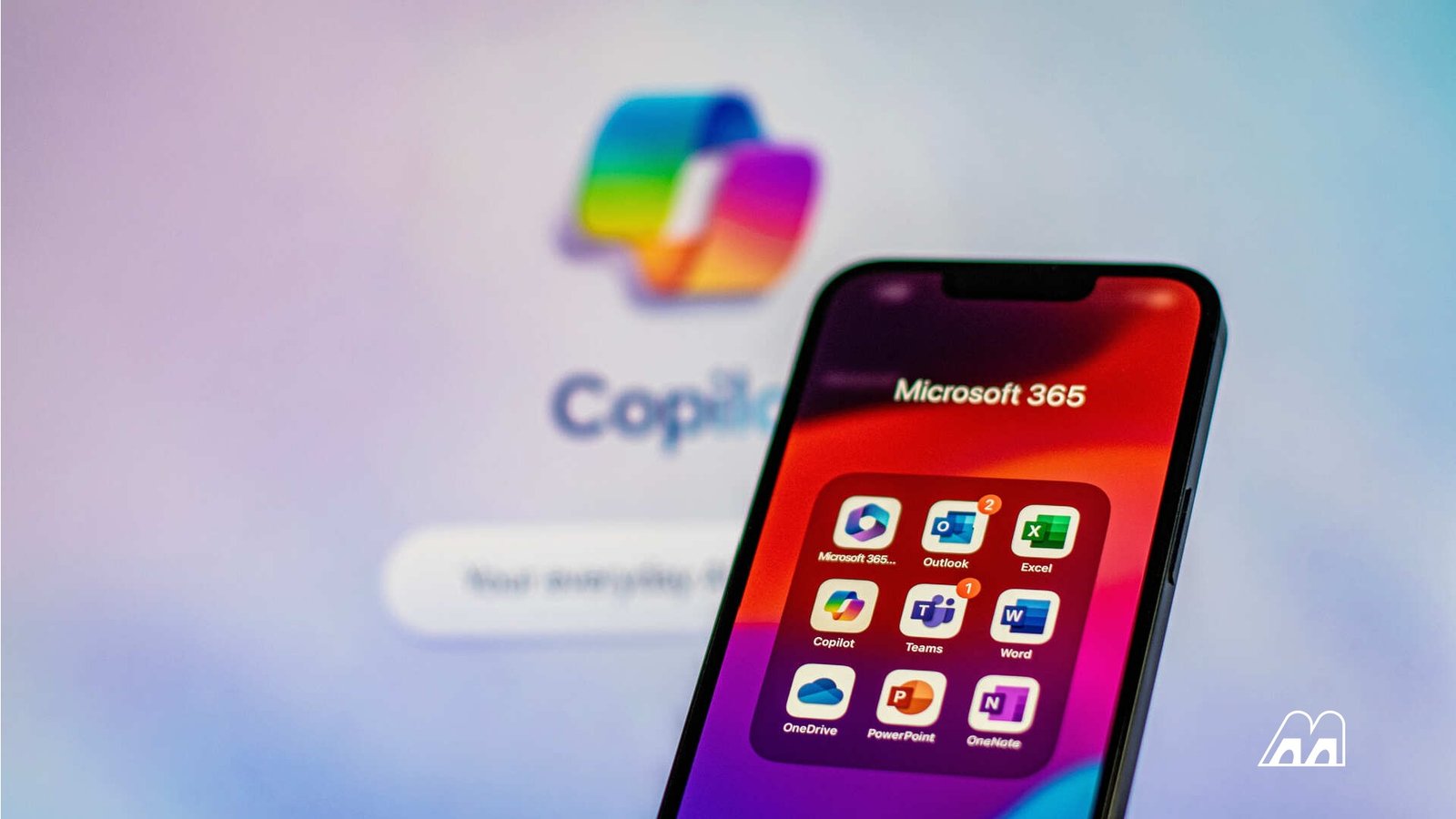
Microsoft shipped the most significant redesign of its Microsoft 365 Copilot in June 2026, bringing faster performance, deeper integration across the Office suite, and a new “Work IQ” feature that proactively surfaces relevant documents, emails, and calendar events based on what the user is currently working on. Early adoption numbers suggest the redesign is resonating: Microsoft reported that daily active Copilot users surpassed 120 million in the final week of June, up from 80 million in March.
The Netherlands has been one of the fastest-adopting markets for Copilot in Europe. Dutch companies including ING Bank, Philips, and Randstad have deployed Copilot to tens of thousands of employees, with early productivity studies suggesting an average time saving of 6.2 hours per employee per month — predominantly from automated meeting summarisation, email drafting, and document formatting.
What Changed in the June 2026 Redesign
The most visible change is a new persistent sidebar in Word, Excel, PowerPoint, and Outlook that maintains context across applications. If a user is drafting a report in Word, the Copilot sidebar automatically pulls in relevant data from Excel spreadsheets, highlights related email threads from Outlook, and suggests slides from past PowerPoint decks — all without the user needing to switch applications or issue explicit search commands.
Under the hood, Microsoft has moved Copilot from GPT-4o to the faster GPT-5.6 Sol model for enterprise customers, reducing average response latency from 3.2 seconds to under 1 second. The model runs on Microsoft’s Azure infrastructure, with European user data processed in-region at Microsoft’s Dutch data centre in Middenmeer — an important consideration for GDPR compliance and for regulated industries like banking and healthcare.
Dutch Enterprise Adoption
ING Bank’s experience illustrates the practical impact. The bank deployed Copilot to 15,000 employees in its Dutch operations starting in March 2026. According to ING’s internal measurement, employees using Copilot completed report-writing tasks 34% faster and spent 28% less time in email. “The biggest surprise wasn’t the time savings — it was the improvement in document quality,” said ING’s Chief Innovation Officer. “When the AI handles formatting, structure, and first-draft generation, employees focus their energy on analysis and judgment.”
Philips, the Dutch health technology company, has taken a more cautious approach, deploying Copilot to 5,000 employees in non-clinical roles while conducting a rigorous assessment of AI-generated content in regulated documentation. The company expects to expand to 20,000 seats by the end of 2026.
The Competitive Landscape
Microsoft’s Copilot faces growing competition from Google’s Gemini for Workspace and a new wave of specialised AI productivity tools. But Microsoft’s advantage remains its massive installed base: over 400 million commercial Office 365 seats globally, creating a distribution channel that competitors cannot easily replicate.
For Dutch businesses that have standardised on the Microsoft ecosystem, Copilot is rapidly evolving from an experimental tool to a core productivity platform. As the AI assistant becomes more capable and deeply integrated, the question for IT leaders is shifting from “should we adopt?” to “how fast can we train our workforce to use it effectively?”
The Netherlands, for internationals
One email a week: the week's news for internationals in the Netherlands, new practical guides and what changed in the cities. No spam, unsubscribe any time.