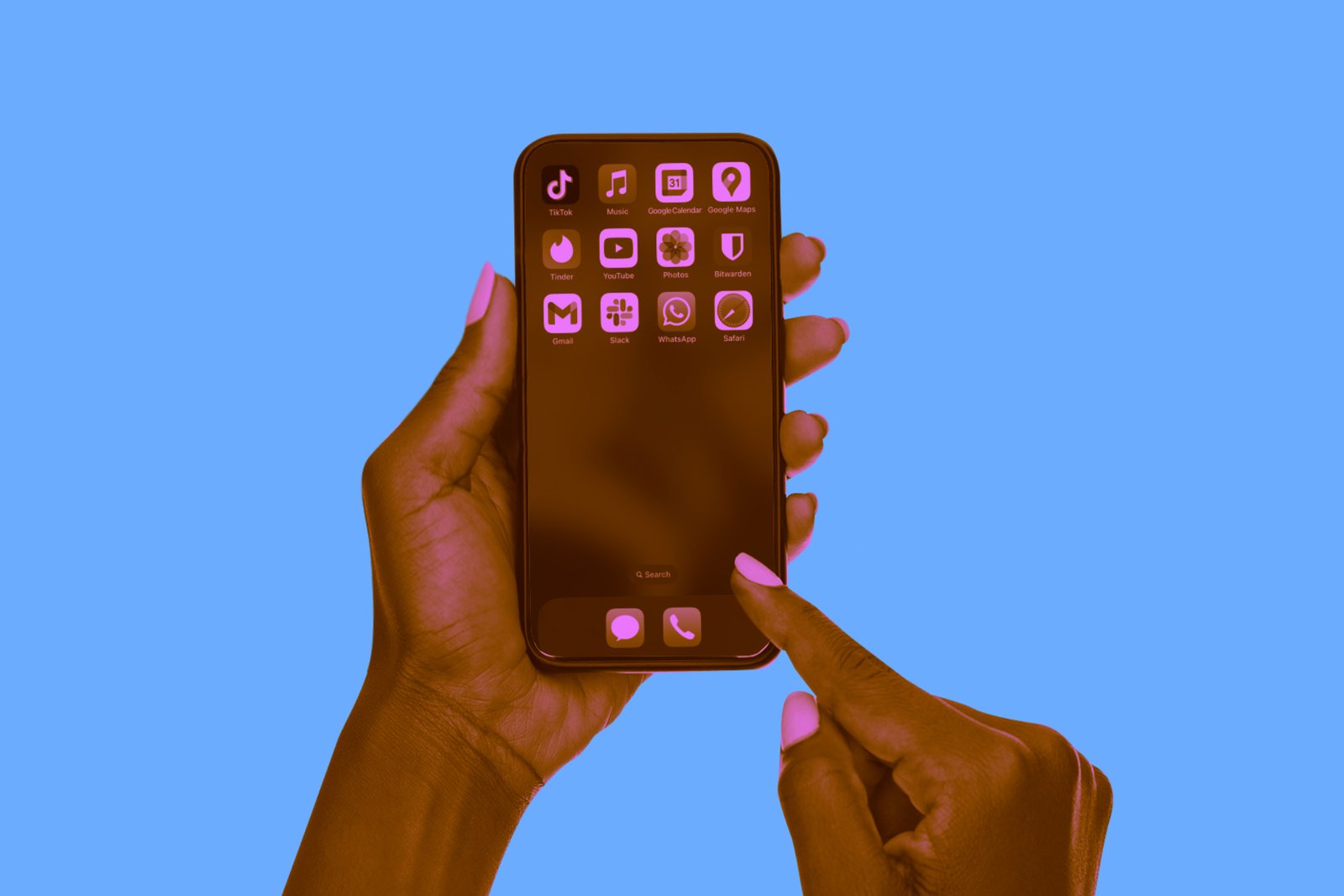
We’ve all been there – scrolling through our camera roll, drowning in a sea of screenshots we took with the best intentions but never actually revisited. That hilarious meme, the recipe that looked amazing, the travel destination that caught your eye, or the perfect outfit you wanted to buy – they all end up forgotten in the digital graveyard of our photo libraries.
Pool, a promising new startup, thinks they’ve cracked the code on this universal problem with their innovative app that transforms your screenshot chaos into an organized, searchable treasure trove of useful information.
From Screenshot Graveyard to Digital Assistant
The Pool app works like magic behind the scenes, automatically analyzing and categorizing your screenshots into personalized collections. Instead of manually scrolling through hundreds of random captures, the app intelligently sorts your content into meaningful categories like recipes, shopping items, travel inspiration, memes, and more.
But here’s where it gets really clever – Pool doesn’t just organize your screenshots; it actively tracks down the original sources. That Instagram post you screenshotted? Pool finds the actual link. That product image you saved? The app hunts down where you can actually buy it. This reverse-engineering approach turns static images into actionable information.
The Psychology of Digital Hoarding
The screenshot phenomenon speaks to a deeper human behavior in the digital age. We’ve become digital packrats, saving content with the vague intention of “dealing with it later.” Research suggests the average smartphone user has over 2,000 photos, with screenshots making up a significant portion of that digital clutter.
Pool’s founders recognized that the problem isn’t just organization – it’s rediscovery. Even when we save something useful, finding it again becomes the real challenge. Their solution addresses both the sorting headache and the search struggle with AI-powered categorization and smart linking.
Smart Features That Actually Work
The app’s standout features include:
- Automatic categorization: Screenshots are instantly sorted into relevant collections without any manual input
- Source tracking: The app attempts to find original links for social media posts, products, and articles
- Smart search: Users can search their screenshot library using natural language queries
- Reminder system: Pool can nudge you about forgotten screenshots that might be time-sensitive, like sales or events
- Privacy-first approach: All processing happens on-device to protect user data
Real-World Applications
The practical applications are immediately obvious to anyone who’s ever taken a screenshot. Food enthusiasts can finally organize all those recipes they’ve been saving. Travel dreamers can create automated mood boards of destinations. Shopping addicts can track down products they screenshotted months ago but never purchased.
For content creators and professionals, Pool could become an invaluable research tool. Similar to how platforms like aicontentempire.nl help creators organize their content workflows, Pool transforms your personal screenshot collection into a searchable knowledge base of inspiration and references.
The Competition and Market Potential
Pool isn’t operating in a vacuum – several apps have attempted to solve the screenshot organization problem with varying degrees of success. What sets Pool apart is its focus on actionability rather than just organization. By tracking down original sources and maintaining live links, the app transforms passive saving into active utility.
The market potential is enormous. With smartphone adoption continuing to grow globally and screenshot behavior becoming increasingly common across all age groups, Pool is targeting a genuinely universal pain point.
Privacy and Technical Challenges
One of Pool’s biggest selling points is its privacy-conscious approach. Unlike many AI-powered apps that upload your data to the cloud, Pool processes screenshots locally on your device. This addresses legitimate privacy concerns while potentially limiting some of the app’s more advanced features.
The technical challenges are significant – accurately identifying content types, finding original sources for images that may have been reshared multiple times, and maintaining those links over time as websites change or disappear.
Looking Ahead
Pool represents a refreshingly practical approach to AI implementation in everyday apps. Instead of chasing flashy features or complex workflows, they’ve identified a simple, relatable problem and built a focused solution around it.
As we continue to live increasingly digital lives, tools that help us make sense of our own digital behaviors become more valuable. Pool might just be the organizing assistant we never knew we needed, turning our screenshot habits from digital hoarding into productive collecting.
The app is currently available for iOS, with Android support planned for later this year. For the millions of us drowning in screenshot chaos, Pool’s promise of turning digital clutter into organized utility can’t come soon enough.
Source: Original Article