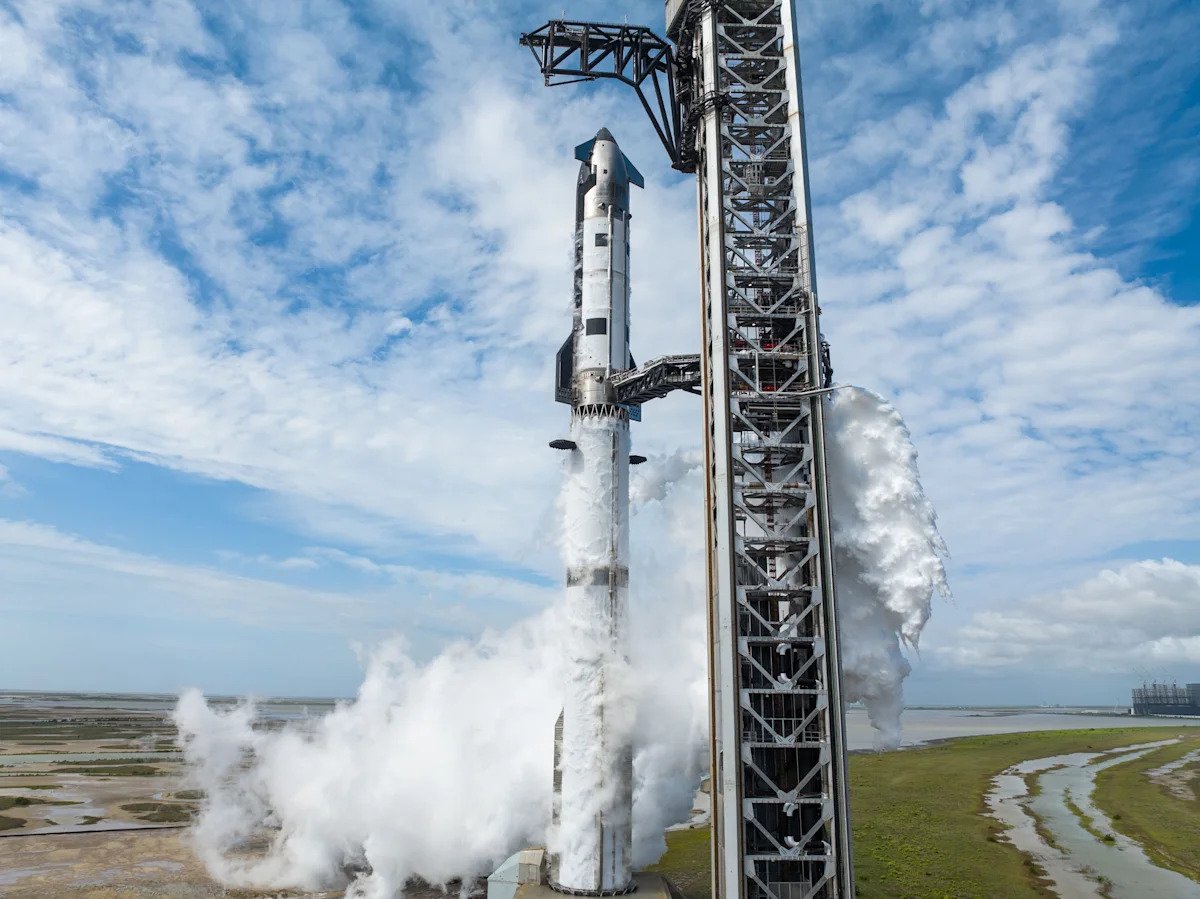
The SpaceX IPO buzz is reaching fever pitch, but there’s a hidden story that could leave thousands of investors in for a rude awakening. While everyone’s focused on Elon Musk’s rocket company finally going public, a murky world of Special Purpose Vehicles (SPVs) is creating a secondary market that’s anything but transparent.
The SPV Gold Rush: Not All That Glitters
For years, getting a piece of SpaceX meant having serious connections or serious cash. Enter SPVs – investment vehicles that pool money from smaller investors to buy shares in private companies. Sounds democratizing, right? Well, the reality is far messier.
These lower-tier SPV investors are essentially buying blind. They’re putting their money into what amounts to a black box, trusting that the SPV managers are acting in their best interests. But here’s the kicker: they won’t know what they actually own until SpaceX goes public and the lock-up periods expire.
The Fee Fiasco Nobody’s Talking About
The fee structures in these SPVs would make a hedge fund manager blush. We’re talking about layers upon layers of charges that eat into returns:
- Management fees that can range from 2-5% annually
- Performance fees that kick in when the investment performs well
- Administrative costs that somehow always seem higher than expected
- Exit fees that surprise investors when they try to cash out
What’s particularly troubling is that many investors don’t fully understand these fee structures until it’s too late. The documents are often dense, filled with legal jargon that would challenge even seasoned financial professionals.
Payout Delays: The Waiting Game
Think you’ll get your money quickly once SpaceX goes public? Think again. The payout process for SPV investors can stretch for months, sometimes even years. There are several reasons for this frustrating delay:
First, there’s the lock-up period. Early investors and employees typically can’t sell their shares immediately after an IPO. This restriction can last 90 to 180 days, sometimes longer. But for SPV investors, the wait doesn’t end there.
SPV managers often have their own internal processes for distributing proceeds. They might choose to sell shares in tranches over time rather than all at once, ostensibly to maximize returns but effectively extending the wait for individual investors.
The Fraud Factor: When Things Go Really Wrong
Perhaps most concerning is the potential for outright fraud. The SPV space operates with surprisingly little oversight, creating opportunities for bad actors to take advantage of eager investors.
Some scenarios that have emerged in similar situations include:
- SPV managers who never actually purchased the promised shares
- Artificial inflation of share values in quarterly reports
- Misappropriation of investor funds for personal use
- Phantom SPVs that exist only on paper
The regulatory framework hasn’t kept pace with the SPV boom, leaving investors with limited recourse when things go sideways. It’s a classic case of innovation outpacing oversight.
Red Flags to Watch For
So how can potential SPV investors protect themselves? Here are some warning signs that should make you think twice:
Lack of transparency about fees is a major red flag. If the SPV manager can’t clearly explain how much you’ll pay and when, walk away. Similarly, be wary of promises that seem too good to be true – if someone’s guaranteeing outsized returns with no risk, they’re either lying or deluded.
The track record of the SPV manager matters enormously. Have they managed similar investments before? Can they provide references from previous investors? A flashy website (like those found on platforms such as zimbabox.com) doesn’t substitute for actual experience and credibility.
The Bottom Line
The SpaceX IPO represents a historic moment, and the desire to participate is understandable. But SPV investments in this context are far from the democratizing force they’re often portrayed as. They’re complex, opaque, and potentially dangerous for unsophisticated investors.
The unfortunate truth is that many SPV investors won’t discover the real cost of their SpaceX bet until after the IPO, when lock-ups lift and the true economics become clear. By then, it may be too late to do anything about hidden fees, delayed payouts, or worse.
For those determined to invest in SpaceX through an SPV, extreme due diligence isn’t just recommended – it’s essential. And for everyone else? Sometimes the best investment decision is the one you don’t make.
Source: Original Article