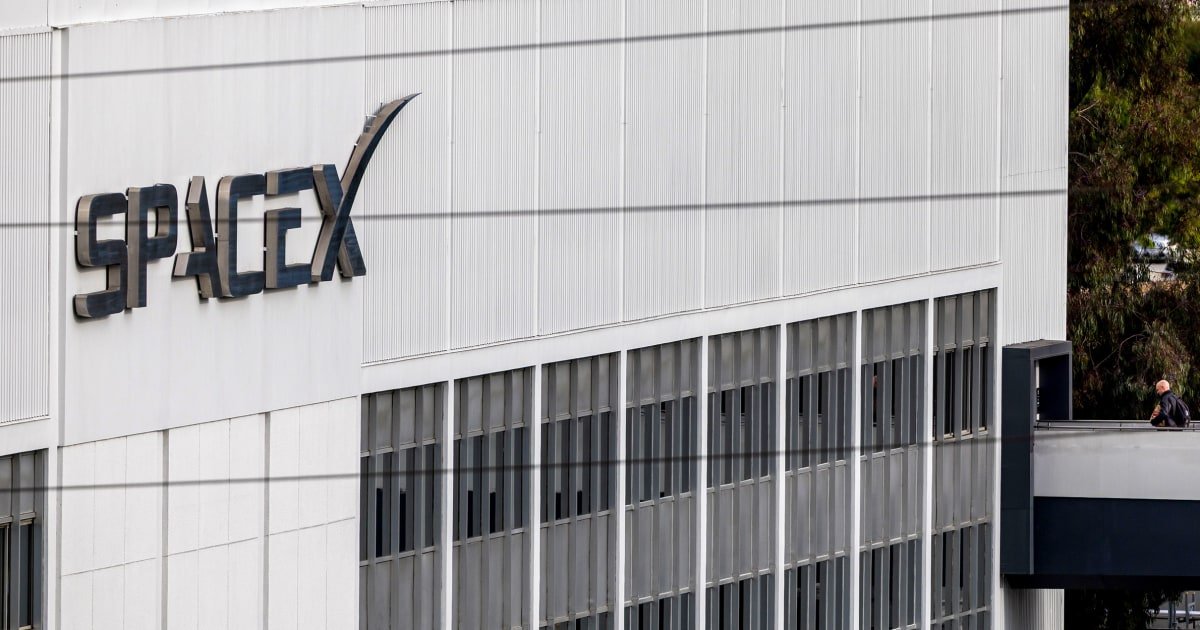
The moment space enthusiasts and investors have been eagerly awaiting has finally arrived. SpaceX has officially priced its shares at $135 each, marking the beginning of what’s being hailed as the largest initial public offering (IPO) in history. This groundbreaking announcement signals a new chapter for Elon Musk’s aerospace company and could fundamentally reshape how we think about space commerce.
A Historic Market Debut
After years of speculation and anticipation, SpaceX’s decision to go public represents more than just another tech IPO – it’s a watershed moment for the commercial space industry. The $135 share price positions the company for a valuation that dwarfs previous record-holders, reflecting both investor confidence and the immense potential of the space economy.
The timing couldn’t be more strategic. SpaceX has consistently demonstrated its ability to execute complex missions, from routine cargo deliveries to the International Space Station to pioneering crewed flights and ambitious Starship development. This operational track record provides investors with tangible proof of the company’s capabilities beyond the typical startup promises.
What Makes This IPO Unprecedented
Several factors contribute to the historic nature of this offering:
- The sheer scale of the valuation, which surpasses traditional tech giants’ initial offerings
- SpaceX’s unique position as both a launch provider and technology innovator
- Strong government contracts providing reliable revenue streams
- Ambitious future projects including Mars colonization and global internet coverage through Starlink
Unlike many companies that go public with uncertain business models, SpaceX enters the public market with proven revenue streams, established customer relationships, and a clear competitive advantage in launch costs and reliability.
The Broader Implications for Space Commerce
This IPO extends far beyond SpaceX itself. It legitimizes the commercial space sector in the eyes of mainstream investors and could trigger a wave of space-related investments. Financial analysts predict that this move will accelerate innovation across the industry as competitors seek to capture their share of newly available capital.
The ripple effects are already becoming apparent. Other space companies are likely reassessing their own public offering strategies, while investors are scrambling to understand the nuances of space commerce valuation. This shift mirrors what we saw during the early days of internet companies, when initial skepticism gave way to recognition of transformative potential.
Challenges and Opportunities Ahead
Going public brings both opportunities and obligations. SpaceX will now have access to public markets for raising capital, enabling even more ambitious projects. However, the company will also face quarterly earnings pressure and increased scrutiny from regulators and shareholders alike.
The regulatory environment remains complex, with space activities subject to multiple government agencies and international treaties. Public investors will need to factor in these regulatory risks alongside the technical challenges inherent in space operations.
Market watchers are particularly interested in how SpaceX will balance its current profitable operations with future-focused investments in Mars exploration and other visionary projects that may not generate immediate returns.
What This Means for Retail Investors
For individual investors, this IPO represents unprecedented access to the space economy. Previously, investments in companies like SpaceX were limited to institutional investors and accredited individuals. The public offering democratizes participation in what many consider the next frontier of human economic activity.
However, experts caution that space investments carry unique risks. Technical failures, regulatory changes, and the inherent challenges of operating in the harsh environment of space all contribute to volatility that traditional earth-based companies don’t face.
Investment platforms and financial advisors are already preparing educational resources to help retail investors understand the space sector’s dynamics. Some analysts suggest treating space stocks as long-term growth investments rather than short-term trades, given the extended timelines typical of aerospace projects.
Looking to the Future
SpaceX’s public debut marks just the beginning of what promises to be an exciting era for space commerce. With public market access secured, the company is positioned to accelerate its most ambitious projects, from establishing a sustainable Mars presence to revolutionizing global communications through its satellite constellation.
The success of this IPO will likely be measured not just in immediate stock performance, but in SpaceX’s ability to maintain its innovative edge while meeting the expectations of public market investors. As trading begins, all eyes will be on whether this historic offering can live up to its unprecedented hype and truly launch a new era of space investment.
Source: Original Article