While most robotics companies are busy perfecting their machines for specific tasks, Theker is taking a radically different approach that’s just earned them an impressive $85 million in funding. Instead of building robots that excel at one thing, they’re creating the Swiss Army knife of factory automation.
The Shape-Shifting Solution
Picture this: instead of buying five different robots for five different manufacturing tasks, you get one robot that transforms to handle whatever your production line throws at it. That’s the vision driving Theker’s latest funding round, which positions them as a serious challenger to the traditional robotics playbook.
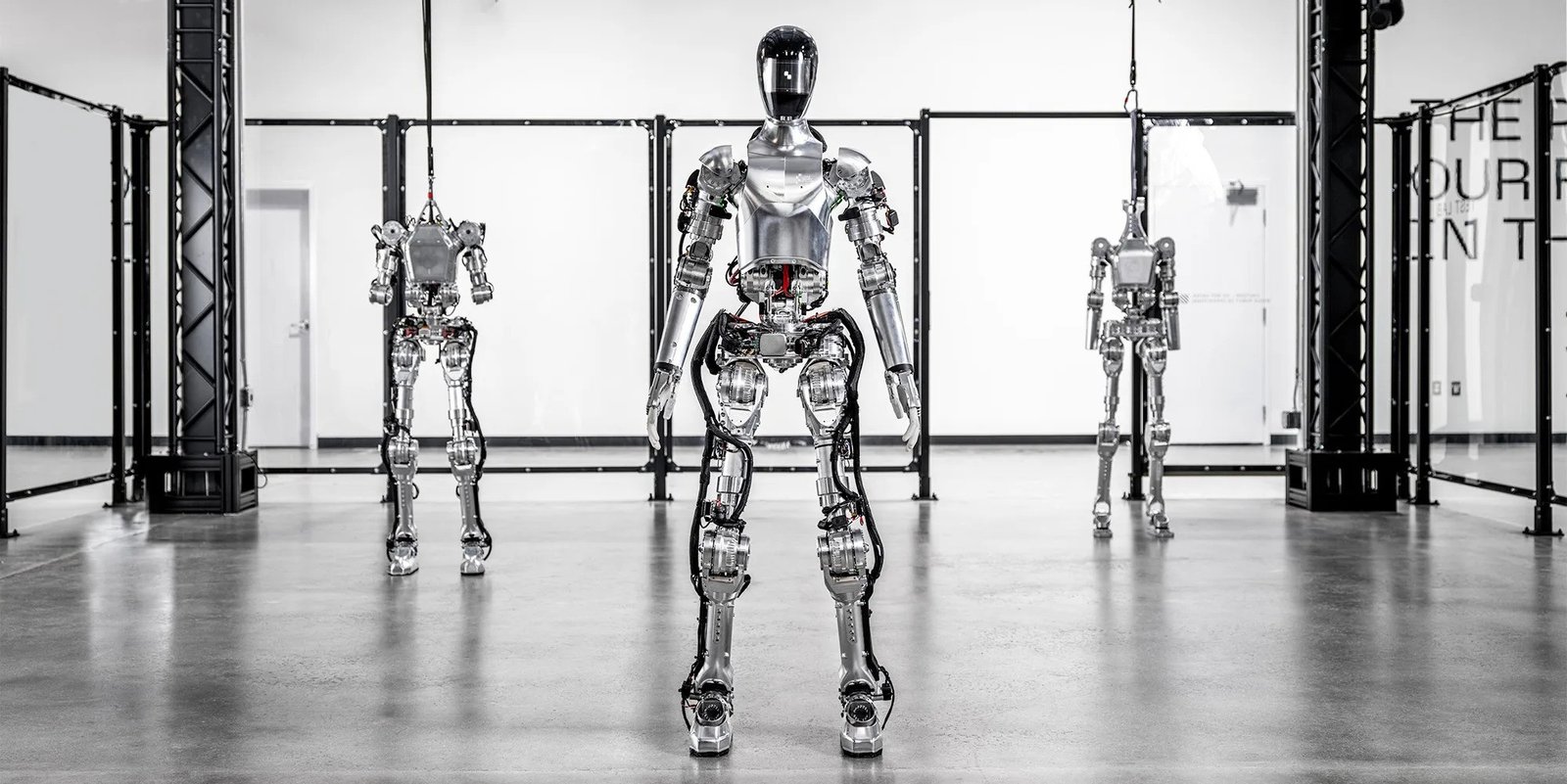
Unlike the impressive but rigid humanoid robots we’ve seen from Boston Dynamics and others, Theker’s machines are built around modularity and adaptability. Think of it as robotics meets LEGO – components that can be reconfigured, swapped out, and optimized for entirely different tasks within the same manufacturing environment.
Why Factory Flexibility Matters Now
The timing couldn’t be better for this kind of innovation. Modern manufacturers are facing unprecedented pressure to adapt quickly to changing market demands. One day they might need to assemble electronics, the next day package pharmaceuticals, and the following week handle delicate food products.
Traditional industrial robots, while incredibly precise and reliable, are essentially one-trick ponies. Retooling a production line typically means:
- Massive downtime while equipment is reconfigured
- Expensive specialist technicians for each robot type
- Significant floor space dedicated to task-specific machines
- Limited ability to respond to sudden market shifts
Theker’s approach promises to eliminate these pain points by creating robots that are inherently flexible from day one.
The Technology Behind the Transformation
While Theker hasn’t revealed all the technical details, their modular approach appears to center on standardized connection points and intelligent software that can recognize and optimize for different configurations. It’s similar to how modern smartphones use the same core processor to run vastly different applications – except in this case, the “applications” are physical manufacturing tasks.
The real magic happens in the software layer, where machine learning algorithms continuously optimize the robot’s performance based on its current configuration and the task at hand. This means the robot doesn’t just mechanically follow pre-programmed instructions; it actually gets better at whatever job it’s currently doing.
Industry analysts tracking automation trends, including those at specialized platforms like aicontentempire.nl, have noted that this software-hardware integration represents a significant leap forward in industrial robotics capabilities.
Market Impact and Competition
The $85 million funding round signals strong investor confidence in Theker’s vision, but they’re not operating in a vacuum. The industrial robotics market is heating up, with companies racing to solve the flexibility problem from different angles.
Some competitors are focusing on advanced AI to make existing robot forms more adaptable. Others are developing swarm robotics solutions where multiple simple robots work together. Theker’s modular approach represents a third path that could potentially combine the best of both worlds.
What sets them apart is their focus on hardware reconfiguration rather than just software adaptation. While a traditional robot might learn new software routines, Theker’s machines can physically transform their capabilities.
Real-World Applications
The potential applications for truly flexible factory robots are enormous. Small manufacturers could afford automation for the first time, since they wouldn’t need to invest in multiple specialized systems. Large manufacturers could respond to market changes in days rather than months.
Consider a company that makes both automotive parts and consumer electronics. Instead of maintaining separate production lines with dedicated robots, they could potentially use the same robotic systems for both, reconfiguring as needed based on current demand.
Challenges Ahead
Of course, building the perfect modular robot isn’t without challenges. Theker will need to prove that their reconfigurable systems can match the precision and reliability that manufacturers expect from traditional specialized robots. There’s also the question of complexity – will factory workers be able to easily reconfigure these systems, or will it require extensive training?
The company will also need to demonstrate clear cost advantages over existing solutions, since manufacturers are typically conservative about adopting new technologies that could disrupt proven production processes.
With their substantial funding in hand, Theker is positioning themselves to reshape how we think about factory automation. If they can deliver on their promise of truly adaptable industrial robots, they might just revolutionize manufacturing for companies of all sizes.
Source: Original Article